
Body Care
I Raised Money To Save A Stray Cat’s Life
Jul
Note: This first-person account is a composite narrative inspired by common stray-cat rescue and community-fundraising experiences. It is intended for educational purposes and does not replace advice from a licensed veterinarian or local animal-welfare professional.
I did not wake up one Tuesday morning expecting to become a fundraiser, part-time cat chauffeur, and full-time emotional mess. My plan was much simpler: buy groceries, answer emails, and possibly eat dinner before 10 p.m. The universe, however, had placed a small gray cat behind a stack of wooden pallets near a neighborhood market.
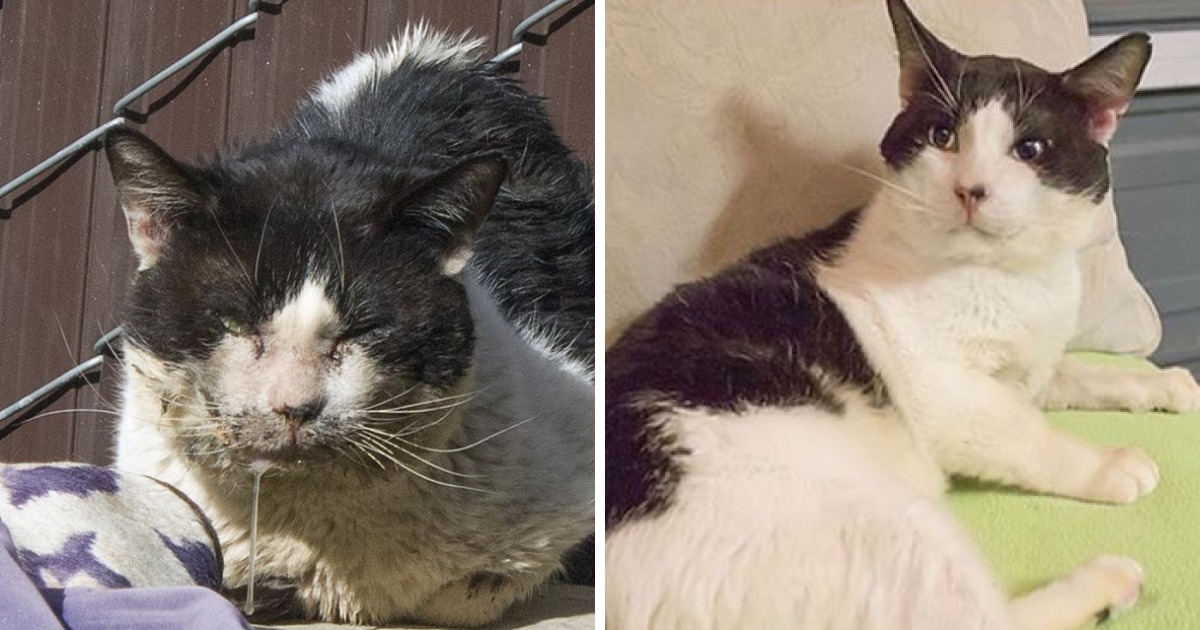
She was thin, limping, filthy, and glaring at me with the particular expression cats reserve for people who have interrupted an important meeting. One ear was nicked, her fur was matted, and she had the exhausted look of an animal that had been surviving on instinct for far too long.
I named her Mabel before I had even earned the right to do so.
That was my first mistake. Naming a stray cat is how you go from “concerned citizen” to “person explaining a veterinary estimate to friends at midnight.”
The Moment I Realized She Needed More Than Food
At first, I thought food and water might be enough. I placed a small dish several feet away and stepped back. Mabel ate slowly, then tried to stand. Her back leg barely touched the ground. She also seemed uncomfortable, withdrawn, and unwilling to move more than necessary.
I learned something important that evening: a cat outside is not automatically homeless, but a cat who is injured, weak, struggling to breathe, unable to walk normally, or behaving unusually may need urgent veterinary help. Before doing anything dramatic, I contacted a local veterinary clinic and a nearby rescue volunteer for guidance.
That phone call prevented me from making a well-intentioned but foolish decision. I did not grab Mabel with bare hands, chase her through traffic, or attempt a backyard medical procedure involving optimism and a towel. Instead, I borrowed a humane trap, prepared a carrier, and made sure a clinic was ready to see her.
When we finally got her to the veterinarian, the staff checked for a microchip first. She did not have one. Her examination showed a painful leg injury, dehydration, an infected wound, and a few other issues that required treatment. The veterinarian explained the options carefully and gave me an estimate for diagnostics, medication, wound care, surgery, and follow-up visits.
The total was more money than I had available.
For about ten minutes, I stared at the estimate as though it might politely reduce itself out of embarrassment. It did not.
Why I Decided to Raise Money for a Stray Cat
I had always admired people who organized pet fundraisers. They seemed naturally confident, like people who know how to use spreadsheets and own matching storage containers. I was neither. Still, Mabel needed care, and waiting for a miracle was not a medical plan.
Raising money for a stray cat’s life was not about making strangers feel guilty. It was about inviting people to participate in a specific, honest rescue effort. I had a veterinarian’s estimate, a diagnosis, a clear treatment plan, and photos that showed Mabel’s condition without turning her pain into a spectacle.
I also made a promise to myself: every update would be truthful. If I raised less than the goal, I would explain what could still be done. If I raised more, I would share where the extra money would go. Trust was not a decorative bow on the fundraiser. Trust was the entire box.
My First Fundraising Goal Was Specific
I did not write, “Please donate because cats are adorable and life is unfair.” Although both statements were technically accurate, they were not enough.
Instead, I created a simple goal based on the initial veterinary plan:
- Emergency examination and diagnostic testing
- Medication for pain and infection
- Treatment for the injured leg
- Wound care and recovery supplies
- Follow-up veterinary appointments
- Food, litter, and a temporary safe space during recovery
Breaking down the costs helped people understand what their donation could do. Ten dollars was not “just ten dollars.” It might help pay for antibiotics, soft bedding, nutritious food, or a portion of a follow-up visit. Small donations became pieces of a much larger rescue puzzle.
How I Built a Fundraiser People Could Trust
The most effective fundraiser was not the most dramatic one. It was the clearest one.
I gave the page a direct title: Help Mabel Walk Again. Anyone seeing it immediately understood that there was a cat, there was an injury, and there was a practical reason for asking for help. I added a short explanation of where Mabel had been found, what the veterinarian had discovered, and what the treatment plan involved.
I included a few photos: one from the day she was found, one from the clinic after she had been cleaned up, and one of her safely resting in a quiet room. The photos were honest but respectful. Mabel had been through enough without becoming the internet’s sad-cat-of-the-day.
I Shared Updates Before People Had to Ask
Once donations began coming in, I realized that updates mattered as much as the original post. People wanted to know whether Mabel was eating, whether her leg was improving, and whether she had finally stopped looking at me like I owed her rent.
So I posted regular updates:
- “Mabel had her wound cleaned today and tolerated the treatment like a tiny, furious queen.”
- “The veterinarian says she is responding well to medication.”
- “Her appetite is improving, which is excellent news and terrible news for my grocery bill.”
- “We have reached enough to cover the first phase of treatment. Thank you for making this possible.”
I kept receipts and estimates organized, even when I did not share every document publicly. If someone asked a reasonable question about how money was being used, I could answer it. Transparency helped donors feel connected to Mabel’s recovery instead of wondering whether their contribution disappeared into the mysterious void where single socks and spare change live.
What Actually Helped the Fundraiser Grow
Social media helped, but it was not magic. I did not post one photo, wait five minutes, and watch a helicopter arrive carrying a giant check. The fundraiser grew because people shared it with people who cared about animals, local causes, or simply helping someone who had stopped to help.
Friends and Neighbors Were My First Team
I asked a few close friends to share the fundraiser on the first day. Not everyone donated, and that was okay. Some people shared the page. Others offered supplies. One neighbor gave me a small cat carrier. Another dropped off food. A coworker offered to drive Mabel to a follow-up appointment when I could not leave work.
This taught me a valuable lesson: fundraising is not only about money. It is also about building a small rescue team around one vulnerable animal.
Local Fundraising Made a Difference
Online donations covered much of Mabel’s medical care, but local support made the process feel less lonely. A friend organized a small bake sale. Someone else placed a donation jar at a community coffee shop with permission from the owner. A neighborhood group held a low-key yard sale and labeled one table “Mabel’s Medical Fund.”
The yard sale raised less than the online fundraiser, but it created something bigger than dollars. It turned Mabel from “a stray cat behind a market” into a shared neighborhood story. People who had never met her began asking how she was doing.
Important Things I Learned About Helping Stray Cats
Saving one cat taught me that good intentions need a plan. It is easy to feel overwhelmed when an animal is suffering, but a calm, organized response usually helps more than panic.
Do Not Assume Every Outdoor Cat Is Abandoned
Some outdoor cats are lost pets. Others belong to nearby homes. Some are community cats cared for by local residents. A veterinary clinic or shelter may be able to scan a friendly cat for a microchip, and local lost-pet groups can help identify whether someone is searching for them.
That does not mean ignoring an obviously injured cat. It means balancing urgency with responsibility. An injured animal needs help quickly, but it is still important to look for an owner whenever possible.
Call a Veterinarian Before You Trap an Injured Cat
When a cat is visibly ill or injured, contact a veterinary clinic, emergency hospital, rescue organization, or experienced community-cat caregiver before trapping them. You need to know where the cat will go, how they will be transported, and what the clinic can handle.
For frightened or unsocialized cats, confinement can be extremely stressful. A veterinary professional or experienced rescue group can help determine the safest plan for treatment and recovery.
Ask About Financial Assistance Early
I initially thought asking for help was a sign that I had failed to prepare. It was not. Veterinary clinics, rescue groups, local shelters, and animal-assistance programs may know about payment options, discounted services, emergency grants, foster support, or community resources.
The key is to ask early. Do not wait until the bill is already impossible and the cat’s condition has worsened. Some assistance programs require a diagnosis, treatment estimate, or veterinarian involvement before they can consider an application.
Mabel’s Recovery Was Not a Movie Montage
Mabel did not transform overnight into a glossy, cheerful cat who posed for holiday cards. Recovery was slower than that. There were medication schedules, quiet-room rules, follow-up exams, laundry, litter, and several moments when she attempted to inform me that the medicine was a personal betrayal.
But she improved.
Her wound healed. Her appetite returned. Her leg became stronger. She started stretching in the sunlight and blinking slowly at me from her blanket. In cat language, that was basically a five-star review.
Eventually, the veterinary team agreed that she was ready for the next chapter. Because Mabel was friendly and comfortable with people, a local rescue partner helped connect her with a foster home. A few weeks later, she was adopted by a family who had followed her story from the beginning.
They kept her name.
I like to think that was because Mabel suited her. It may also have been because they understood that changing the name of a cat who had survived surgery, fundraising, and my emotional speeches would have been a bold decision.
What Raising Money for Mabel Really Changed
I thought I was raising money to save a stray cat’s life. I was. But I was also learning how many people are willing to help when they are given a clear reason and a trustworthy way to participate.
Mabel’s fundraiser worked because it was not built on pressure. It was built on facts, updates, gratitude, and a simple belief that one injured cat deserved a real chance.
There will always be more animals who need help than one person can save. That is the hard truth. But helping one cat responsibly can create a chain reaction: a veterinarian provides care, a neighbor shares a post, a donor gives ten dollars, a rescue offers support, and a frightened animal gets another morning in the sun.
Sometimes compassion looks dramatic. Sometimes it looks like a spreadsheet, a borrowed carrier, and a cat named Mabel glaring at you from beneath a blanket.
Both can save a life.
Additional Rescue Experiences: What I Wish I Knew Before I Started
After Mabel, I began noticing cats everywhere. Not because there were suddenly more cats, but because I had learned how easy it is to overlook them. A cat tucked under a car, a kitten crying behind a dumpster, a thin orange tabby near an apartment complexonce you have helped one animal, your brain develops what I call “rescue radar.” It is a beautiful thing, but it can also make you feel responsible for every whisker in a five-mile radius.
The first lesson I had to learn was that helping does not always mean taking every cat home. Sometimes the best thing you can do is call a rescue group, share information with a neighborhood network, provide temporary food and water, or connect a caregiver with a low-cost clinic. Rescue is not a solo sport. It works best when people share the work instead of one exhausted person becoming the unofficial mayor of Cat Town.
I also learned that people respond better to honesty than perfection. My earliest fundraiser update was polished enough to sound like it had been written by a public-relations team for a celebrity kitten. Later, I relaxed. I admitted when I was worried. I shared small victories, such as Mabel finishing a meal or accepting a gentle pet. Those real moments helped people feel connected to her.
Another experience that stayed with me was the importance of boundaries. I could not personally fund every treatment, foster every animal, or answer every late-night message from someone who had found a cat. That did not make me less compassionate. It made me more sustainable. I started keeping a list of local clinics, rescue groups, emergency hospitals, foster networks, and low-cost veterinary programs so I could direct people toward help without carrying every crisis alone.
I also became more careful with donation money. When people give to save an animal, they are trusting you with something larger than cash. They are trusting you with hope. I kept records, shared progress, thanked donors, and explained what would happen if funds remained after Mabel’s care was complete. In her case, the remaining amount went toward supplies and veterinary support for another local rescue cat, with donors informed beforehand.
Most of all, I learned that a rescued animal does not need a perfect hero. Mabel did not need someone with unlimited money, a veterinary degree, or a giant social-media following. She needed someone willing to stop, ask for professional guidance, tell the truth, and invite others to help.
That is the part people often forget. Saving a stray cat’s life may begin with one person noticing them, but it rarely ends there. It becomes a shared act of kindnessone that starts with a frightened cat in a hard place and ends with a warm bed, a full bowl, and the possibility of a future.
Conclusion
Raising money to save a stray cat’s life can feel intimidating, especially when the need is urgent and the veterinary bill is larger than expected. The strongest approach is simple: get professional guidance, create a clear plan, tell the truth about the cat’s condition and costs, share regular updates, and thank every person who helps.
Mabel’s story reminded me that meaningful rescue does not require superhero powers. It requires patience, honesty, community support, and a willingness to act when an animal needs help. One person may spot the cat, but many people can become part of the rescue.

