
Hair Care
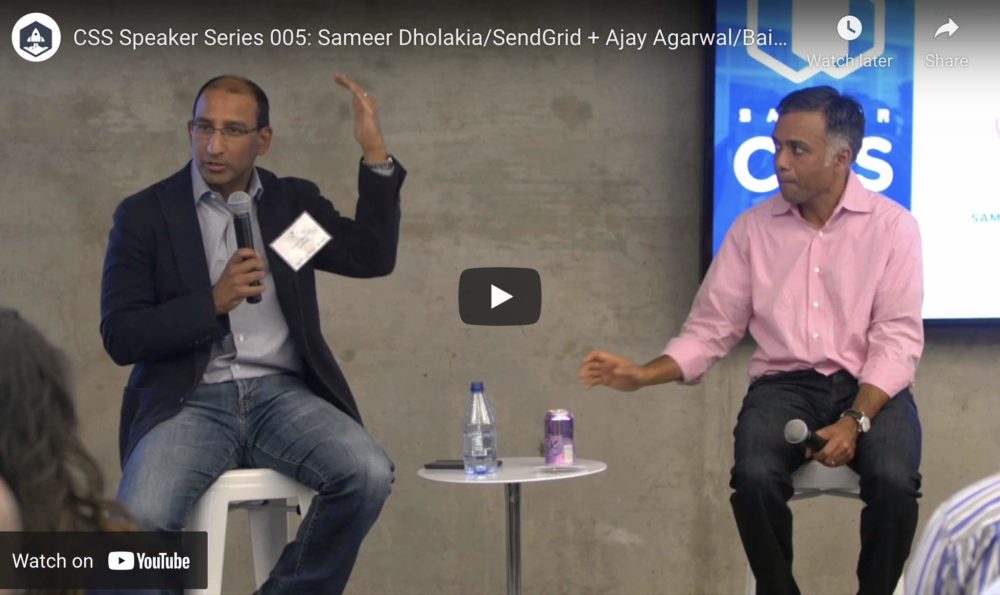
The 10 Keys to A Successful Board Meeting: How to Make Them Great and Not Something Everyone Dreads from Ajay Agarwal, Bain Capital Partners
Jul
Let’s be honest: “board meeting” is not usually a phrase that makes people leap out of bed like it’s the first day of summer vacation. For many founders and executives, it lands somewhere between “tax audit” and “group project with too many opinions.” That is exactly why Ajay Agarwal’s framework resonates. The point is not to turn a board meeting into a theater performance with better snacks. The point is to make it useful, sharp, strategic, and maybe even a little enjoyable.
A great board meeting should help leaders think better, decide faster, and leave the room with more clarity than they had walking in. A bad one does the opposite. It burns time, buries insight under slide clutter, and leaves everyone wondering why twelve intelligent people just spent three hours reviewing information that could have been read on a Tuesday night.
The best board meetings are not built on corporate choreography. They are built on preparation, trust, candor, and a clear understanding of what the board is actually there to do. Below are the ten keys that make board meetings more valuable, less painful, and much less likely to inspire secret eye-rolls on Zoom.
Why Board Meetings Go Wrong in the First Place
Before getting into the ten keys, it helps to understand why board meetings so often feel heavy, stiff, or strangely unproductive. The most common problem is that the meeting becomes a reporting session instead of a decision-making session. Leaders spend too much time narrating data everyone already received, directors react to information too late, and the real issues get squeezed into the final ten minutes like a forgotten carry-on bag.
Another common issue is fuzzy purpose. If nobody is clear on what the board needs to weigh in on, the conversation drifts. The agenda becomes a shopping cart of updates instead of a roadmap for governance. Add late pre-reads, too many slides, and one overtalkative attendee who thinks every question needs a TED Talk, and you have a meeting people dread before the calendar invite even loads.
The cure is not more formality. The cure is better design.
The 10 Keys to a Successful Board Meeting
1. Be clear on the objectives
Every effective board meeting starts with a simple question: what do we need from this meeting? Not in a vague “alignment” sense. In a real sense. Do you want board feedback on pricing? Do you need discussion on hiring the next VP of Sales? Are you pressure-testing next year’s operating plan? If the objective is fuzzy, the discussion will be fuzzy too.
The strongest CEOs and board chairs define the purpose in advance and communicate it before the meeting starts. That helps directors prepare thoughtful questions, rather than improvising commentary in real time. It also makes the meeting easier to evaluate at the end. If the objective was to get strategic input on expansion, did that happen? If not, the meeting may have been busy, but it was not successful.
2. Send a pre-read and avoid death by PowerPoint
This is one of the biggest upgrades any company can make. If your board meeting consists of executives reading slides aloud to adults who can already read, the format is broken. A strong pre-read allows the informational material to be digested before the meeting so the live discussion can focus on judgment, tradeoffs, and decisions.
Good pre-reads are concise, organized, and sent early enough for real review. They usually include an executive summary, key metrics, critical developments since the last meeting, and the major questions management wants the board to discuss. The real magic happens when directors can comment beforehand and management can respond in advance. That turns the meeting itself into a discussion, not a dramatic first encounter with the facts.
3. Start on time and end on time
Punctuality is not a small thing in board governance. It sets the tone for discipline and respect. A late start silently tells the room that time boundaries are optional. A late finish usually means the last agenda item, which is often the most strategic one, gets rushed or abandoned.
Starting on time also creates a subtle but powerful norm: preparation matters, and presence matters. If someone joins ten minutes late and finds the conversation already moving, they will adapt quickly. Board meetings should not operate like airport gates where everyone assumes there will be a delay anyway.
4. Spend the first 30 minutes on a state of the union
Agarwal’s advice here is especially smart. The meeting should begin with the founder or CEO giving a qualitative, big-picture view of the business. No slide avalanche. No recitation of spreadsheet cells. Just the real story: what feels stronger, what feels shakier, what is changing, and where leadership needs perspective.
This matters because board members do not just need numbers. They need context. Revenue may be up while morale is slipping. Pipeline may look healthy while sales execution is uneven. A “state of the union” helps the board understand the texture of the business, not just the dashboard. And texture is where the good conversations live.
5. Plan one or two deep-dive topics
If your board meeting touches fifteen topics, it probably digs deeply into none of them. The best meetings reserve meaningful time for one or two issues that truly deserve board-level thinking. These can be operational, like go-to-market design or product roadmap prioritization, or strategic, like expansion, pricing, partnerships, capital planning, or leadership structure.
Deep dives matter because boards create value when they engage in the hard stuff. They are not there to admire charts like museum visitors. They are there to challenge assumptions, contribute pattern recognition, and help management think around corners. The board’s most useful moments often happen when a discussion gets specific enough to expose tradeoffs.
6. Get the length and frequency right
Not every company needs the same board rhythm. Early-stage startups often benefit from more frequent but shorter meetings. Later-stage companies may need fewer meetings but more structured quarterly sessions. What matters is matching the cadence to the company’s stage and decision velocity.
A board meeting should be long enough to be meaningful, but not so long that everybody’s brain leaves the room before their body does. In private companies, shorter, sharper meetings often outperform marathon sessions. Regular check-ins between formal meetings can also help keep the board informed without forcing every issue into the quarterly agenda.
7. Include the senior team in most of the meeting
Board meetings should not feel like a secret society gathering with unusually expensive coffee. Involving the senior leadership team strengthens buy-in, improves organizational alignment, and gives directors a clearer view of the people behind the plan. It also gives executives valuable exposure to board-level discussion and feedback.
When a CFO, product leader, or head of sales contributes to a board discussion, the board gets better information and the leadership team feels more ownership over the decisions that follow. That is especially important in startups, where execution depends heavily on whether the broader team understands the “why” behind strategic choices.
8. Hold a closed session
This should not be awkward, ceremonial, or optional. A closed session gives directors space to speak candidly without management in the room. It also gives the CEO a chance to receive more honest feedback afterward. These sessions often surface concerns, encouragement, and pattern recognition that people may hesitate to voice in a fully open setting.
Handled well, a closed session does not create mistrust. It builds trust. It signals that the board takes its role seriously and values candor enough to create space for it. The important part is the feedback loop afterward. A closed session that produces no useful communication is just mystery with better furniture.
9. Choose the right mix of virtual and in-person
Virtual meetings are efficient. In-person meetings are richer. That is the short version. Virtual sessions can make discussion more focused and reduce travel drag. In-person sessions can deepen relationships, allow directors to spend time with the broader team, and create more natural side conversations that often strengthen trust.
The smart move is not to become ideological about format. It is to use each format for what it does best. Routine governance and shorter updates may work beautifully online. Big strategic discussions, annual planning, culture exposure, and relationship building often benefit from being in the same room. The right mix depends on the company, the board, and the moment.
10. Have fun, or at least don’t make it miserable
This does not mean turning the board meeting into improv night. It means building a tone that allows seriousness without stiffness. Companies are built through difficult decisions, honest debate, and shared problem-solving. Those conversations go better when there is rapport, humor, and enough trust that people can disagree without sounding like rival kingdoms preparing for battle.
Board meetings should be demanding, but they should also be energizing. If every meeting feels tense, performative, or draining, that usually points to deeper issues in the board-management relationship. Great boards can ask hard questions and still create a room people do not dread entering.
How to Make These Keys Actually Work
The ten keys are not a checklist to tape onto a conference room wall and forget. They work best when combined. A strong pre-read makes it easier to spend more time on deep dives. Clear objectives help the CEO frame the state of the union. Closed sessions become more useful when there is already a culture of candor. A disciplined agenda makes it easier to start and end on time. In other words, successful board meetings are not powered by one heroic trick. They are powered by consistent design.
A practical example helps. Imagine a Series B SaaS company preparing for its Q4 board meeting. Management sends materials three days in advance with a short executive summary, current KPI dashboard, top risks, and two board questions: whether to expand upmarket faster and whether to increase hiring in customer success. The CEO opens the meeting with a candid narrative about momentum, sales friction, and team morale. The board spends minimal time on routine approvals because those are handled through consent items. Most of the meeting focuses on the two strategic questions. The senior team joins the appropriate parts. The board then holds a closed session, and the chair gives the CEO direct, useful feedback afterward. That is a board meeting with a pulse.
Now compare that with the classic nightmare version: seventy slides sent the night before, no clear objectives, half the attendees late, forty-five minutes spent reading metrics aloud, strategic topics squeezed into the final minutes, no closed session, and everyone leaving with the same unresolved questions they had coming in. One meeting builds momentum. The other builds resentment.
500 More Words of Experience: What Board Meetings Feel Like in the Real World
In real companies, the difference between a good board meeting and a bad one is rarely intelligence. It is usually behavior. I have seen meetings where every person in the room was accomplished, prepared, and well-intentioned, and yet the session still sagged because the format encouraged reporting instead of thinking. Once that happens, the board becomes a stage and management becomes a narrator. Nobody really wants that. Directors do not want to hear executives read slides. Executives do not want to spend their best thinking hours performing updates that could have been delivered asynchronously. It is a lose-lose arrangement dressed up in business casual.
One recurring pattern in strong boardrooms is that the CEO is candid before being polished. That sounds simple, but it is surprisingly rare. Leaders often feel pressure to present a controlled, impressive story. The irony is that boards are most useful when they can see where the actual friction lives. A founder who says, “Our pipeline looks good, but I’m not convinced our mid-market motion is repeatable yet,” is giving the board something to work with. That sentence invites insight. It tells directors where the uncertainty is. It creates a real discussion instead of a polite recital.
Another consistent lesson is that pre-read quality changes everything. When materials are crisp, the live meeting has oxygen. When materials are cluttered, the discussion suffocates. The best board decks are not giant archives of everything the company knows. They are selective. They explain what changed, why it matters, what decisions are approaching, and where management wants help. That is what turns directors into contributors rather than spectators with opinions.
Senior team participation also changes the emotional temperature of the room. A board meeting feels healthier when the leaders responsible for execution can speak directly. It reduces distortion. It also helps the board evaluate not just the strategy, but the team’s command of the strategy. There is a real difference between hearing a CEO summarize the product roadmap and hearing the product leader explain the tradeoffs directly. The second version is usually more honest, more nuanced, and more useful.
Closed sessions, meanwhile, are often where the grown-up conversation happens. That is not because people are sneaky. It is because feedback gets sharper when there is protected space for it. The strongest boards use that time responsibly. They do not turn it into a gossip chamber. They use it to ask whether the meeting addressed the right issues, whether the CEO is getting the support and challenge needed, and whether any concerns should be raised more directly.
And yes, culture matters more than most agendas admit. Some of the best board meetings include humor, warmth, and moments of real humanity. Nobody is asking for stand-up comedy between financial updates. But when there is trust in the room, people speak more plainly, listen more carefully, and challenge each other with less ego. That is often the hidden ingredient. A great board meeting is not just efficient. It is honest. It feels like a serious group of people trying to help a company get better, not a ritual everyone survives and forgets by dinner.
Conclusion
The best board meetings do not happen by accident. They are designed. Ajay Agarwal’s ten keys work because they focus on what actually creates value: clarity, preparation, strategic discussion, disciplined timing, executive involvement, candid feedback, and trust. When those ingredients are in place, the board stops feeling like an obligation and starts functioning like what it should be: a genuine strategic asset.
So if your current board meeting feels like a long documentary with too many charts and not enough plot, there is good news. You do not need a miracle. You need a better meeting. And preferably fewer slides.

