
Skincare
10 Best Vegetables and Flowers to Plant in September
Jul
September is the month when the garden stops shouting and starts making smart decisions. The tomatoes look tired, the basil begins questioning its life choices, and suddenly every seasoned gardener starts talking about cool-season crops like they are VIP guests at an autumn dinner party. And honestly, they are.
If you want a productive fall garden, September is one of the best times to plant. In many parts of the United States, the soil is still warm enough for seeds to germinate quickly, while the air is cooling down enough to make leafy greens, roots, and hardy flowers positively thrilled to be alive. That combination is gardening gold. Instead of fighting summer heat, you get to work with the season.
The trick, of course, is planting the right things. September is not the time to gamble on crops that need forever and a day to mature. It is the time to focus on reliable cool-season vegetables and flowers that either grow quickly, tolerate light frost, or simply perform better when summer stops acting like a blow dryer. Below are ten of the best vegetables and flowers to plant in September if you want fresh harvests, bright color, and a garden that refuses to surrender just because pumpkin spice showed up.
Why September Planting Works So Well
A fall garden is not just a second chance. It is often the more enjoyable season to grow. Weeds usually slow down, pest pressure tends to ease, and many cool-season crops develop better flavor in cooler weather. In some cases, a light frost can even improve sweetness and texture. That means your September planting list is not just practical. It is deliciously strategic.
Before you sow a single seed, check your average first frost date and compare it with the days to maturity listed on seed packets. Fast-maturing varieties are your best friends now. In warmer regions, September can feel like the opening bell for the entire fall garden. In colder regions, it may be the final call for quick crops and transplants. Either way, the rule is simple: plant with the calendar in one hand and your local climate in the other.
6 Best Vegetables to Plant in September
1. Spinach
Spinach is basically the overachiever of the September garden. It germinates well in cooling soil, grows quickly, and handles chilly weather like it was born for dramatic autumn entrances. If you have struggled with spinach in spring, fall may convert you into a true believer. The leaves are often sweeter, less likely to bolt, and far less prone to turning bitter in warm spells.
Direct sow spinach in loose, fertile soil and keep the bed evenly moist while seeds sprout. Thin seedlings early so plants have room to form tender leaves instead of a crowded green traffic jam. For a steady harvest, sow a small patch every week or two. Baby spinach can be cut early for salads, while larger leaves are perfect for sautés, soups, and those virtuous smoothies people pretend to enjoy more than pie.
2. Leaf Lettuce
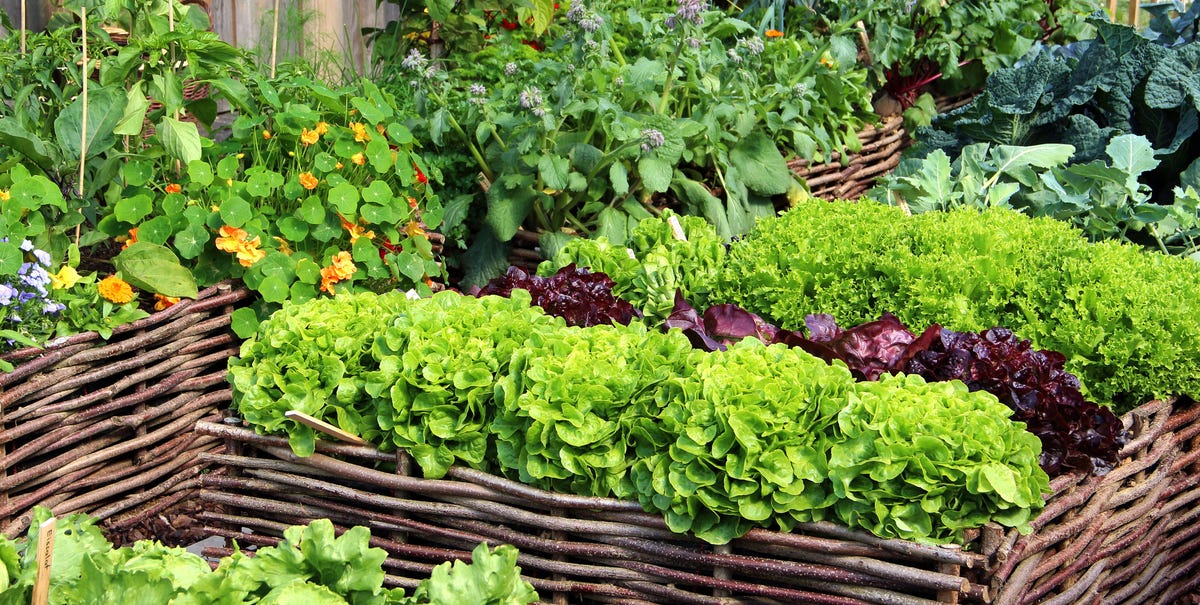
Leaf lettuce is one of the easiest September vegetables for beginning gardeners because it is quick, forgiving, and endlessly useful in the kitchen. Cooler temperatures help produce crisp, mild leaves that are far more pleasant than the sad, heat-stressed lettuce of midsummer. If your summer salads have been a little tragic lately, September is your comeback season.
Broadcast seed in rows or short bands, then thin as needed for baby greens. Choose loose-leaf varieties if you want faster results, because they mature sooner than many heading types. Pick outer leaves as the plants grow, and they will keep producing. It is the gardening equivalent of a subscription service, except instead of streaming another detective show, you get salad ingredients that actually taste like something.
3. Kale
Kale remains one of the best cool-season vegetables to plant in September because it laughs in the face of light frost. In fact, many gardeners swear it tastes better after a chilly night or two. Whether you are a kale enthusiast or simply trying to justify buying one more raised bed, this crop earns its space.
September-planted kale can be direct sown in milder climates or set out as transplants where the season is shorter. Give it full sun, regular water, and decent airflow. Then step back and admire how effortlessly sturdy it looks. Harvest younger leaves for salads and larger leaves for roasting, braising, or turning into kale chips that somehow disappear faster than regular chips once the salt hits.
4. Radishes
Radishes are for gardeners who crave instant gratification and frankly deserve it. They germinate fast, bulk up quickly, and can be ready in a matter of weeks. That makes them one of the best vegetables to plant in September, especially in regions where frost is not far off and patience is in short supply.
Sow radish seeds directly into the garden and thin them early so roots can size up properly. Keep the soil consistently moist to avoid woody or overly spicy roots. Because they mature so fast, radishes are ideal for succession planting. Tuck them between slower crops, along bed edges, or in any empty patch that needs a quick win. September radishes are the garden’s version of a mic drop.
5. Carrots
Carrots reward the gardener who can resist fussing. They prefer loose soil, steady moisture, and a patient hand that does not keep digging them up to “check progress” every four minutes. In many regions, September carrots can develop beautifully for fall harvest, and cool weather often improves flavor and texture.
Direct sow seed shallowly and keep the surface from drying out during germination, which can take longer than eager gardeners would prefer. Thin seedlings so roots can grow straight and strong instead of twisting around each other like commuters boarding a train. Short or round varieties are especially helpful if your fall window is tight. By the time the weather turns crisp, you may be pulling sweet, crunchy carrots that taste nothing like their grocery store cousins.
6. Beets
Beets deserve more respect. They are productive, colorful, and wonderfully efficient because you get both roots and greens from the same planting. In September, they settle into the cool-season rhythm beautifully, especially in beds that still hold warmth from summer.
Sow beet seeds directly into well-worked soil and thin them once seedlings appear. Yes, thinning feels ruthless. No, you should not skip it. Crowded beets stay small and sulky. The bonus is that the tiny thinnings are edible, which makes the entire process feel less like a betrayal. Harvest beet greens early for sautéing, then let the roots size up for roasting, pickling, or slicing into salads. They bring color to the garden and the dinner plate, which is more than can be said for plain brown rice on a Tuesday.
4 Best Flowers to Plant in September
7. Pansies
Pansies are the unofficial ambassadors of cool-weather charm. They thrive when summer annuals are fading, and they keep containers, borders, and window boxes looking cheerful long after the zinnias have waved goodbye. If September had a mascot, it might wear a tiny pansy face and insist everything is still lovely.
Plant pansies in rich, well-drained soil in beds or pots where they can receive good light. In many climates, they continue blooming through cool fall weather and may even overwinter well enough to return with enthusiasm in spring. Their color range is ridiculous in the best possible way, from jewel tones to soft pastels to those dramatic “I have eyeliner and opinions” blotched blooms. They are a reliable choice for gardeners who want instant fall beauty.
8. Snapdragons
Snapdragons bring height, texture, and a little architectural flair to September gardens. They love the cooler temperatures of fall and often perform far better now than they do in high summer. Plus, snapping the blooms open with your fingers never really stops being satisfying, no matter your age.
Use snapdragons in beds, borders, and containers where upright spires can add vertical interest. Transplants are usually the easiest route in September, though seeds can be started ahead for fall planting in some regions. Keep spent blooms trimmed if you want the display to stay tidy and productive. Snapdragons pair beautifully with pansies and leafy fall vegetables, proving once again that edible and ornamental gardening do not have to live in separate social circles.
9. Calendula
Calendula, often called pot marigold, is a September superstar for gardeners who want flowers with old-fashioned charm and practical usefulness. Its daisy-like blooms brighten beds with warm shades of orange and yellow, and the plant often handles cool weather with surprising grace.
Calendula works especially well in cottage gardens, herb gardens, and mixed edible beds. Direct sow it or plant transplants in a sunny area with decent drainage. Deadhead spent flowers to keep new blooms coming. Besides looking cheerful, calendula gives the garden a softer, less formal feel, as if the whole space suddenly decided to relax and wear a cozy sweater. It is one of those flowers that makes the season feel intentional.
10. Sweet Alyssum
Sweet alyssum may not be the tallest or flashiest flower on the list, but it earns a place through pure usefulness. This low-growing annual creates mounds of tiny blooms that soften edges, spill beautifully from containers, and add a light honey-like fragrance that feels wildly generous for such a compact plant.
In September, sweet alyssum shines as a filler around vegetables, in raised beds, or at the front of mixed borders. It likes cooler temperatures, and in the right conditions it can bloom for an impressively long stretch. White is the classic choice, but purple and pink forms also have plenty of appeal. Plant it where you pass by often, because this is one of those flowers that quietly wins you over on repeat.
Smart Tips for September Planting Success
The best September garden is not planted with blind optimism. It is planted with timing, spacing, and a little restraint. First, clear out tired summer crops so your new seedlings do not compete with half-dead vines that are basically just taking up emotional space. Refresh beds with compost, loosen the soil, and water deeply after planting.
Second, pay attention to sunlight. Even in fall, vegetables still need plenty of it. As trees cast longer shadows and days shorten, a bed that felt sunny in June may become surprisingly shady in September. Adjust accordingly.
Third, consider succession sowing for quick crops such as lettuce, spinach, and radishes. Instead of planting everything on one glorious Saturday, sow smaller batches over a few weeks. That gives you a more continuous harvest and lowers the odds of ending up with thirty-seven radishes on the same afternoon.
Finally, keep a lightweight row cover nearby if your area cools quickly. It can buy you valuable extra time, protect tender young growth, and make your fall garden feel wonderfully defiant. Nothing says confidence quite like harvesting salad while your neighbors are putting away patio cushions.
How to Choose the Right Plants for Your Region
Not every September planting list looks exactly the same across America, and that is part of the fun. Gardeners in the South may still have plenty of time for a broad fall garden, while gardeners in the North need to focus on the quickest maturing crops and cold-tolerant flowers. If your average first frost comes early, lean hard into radishes, lettuce, spinach, kale, pansies, and snapdragons. If your fall is long and gentle, you can be a little more ambitious and stretch your harvest with additional greens, roots, and transplants.
The best approach is to treat this list as your proven starting point. Then match it to your local conditions, your available sunlight, and your actual eating habits. Planting kale is noble, but if you are never going to eat kale, your garden may be trying to tell you to grow more lettuce instead. Gardening is strategy, but it is also honesty.
Final Thoughts
If spring is the loud, overachieving season of seed catalogs and big promises, September is the wiser sibling who actually knows what works. This is when smart gardeners plant for comfort, flavor, and staying power. Spinach, lettuce, kale, radishes, carrots, and beets give you a strong edible lineup, while pansies, snapdragons, calendula, and sweet alyssum keep the space colorful and alive.
So if your garden looks a little tired after summer, do not write the season off. September is not the end. It is the sequel, and in many gardens, it is the better one.
Extra Gardening Experience: What September Planting Really Feels Like
There is something deeply satisfying about planting in September that spring gardening never quite matches. Spring is exciting, sure, but it can also feel like a race. Everyone is in a hurry. The garden center is packed, the weather is unpredictable, and you are one cold rain away from wondering why you ever thought growing food would be relaxing. September has a different personality. It feels calmer, more deliberate, and strangely forgiving.
One of the best experiences connected to September planting is the simple relief of working outside without melting. The air is cooler, the light is softer, and the garden no longer feels like a giant outdoor sauna. Pulling out worn summer plants becomes less of a sad ending and more of a reset. You clear a bed, add compost, smooth the soil, and suddenly the whole space feels possible again. It is like giving your garden a second chapter instead of a goodbye speech.
Another memorable part of September gardening is how quickly small wins start to appear. Radishes pop up fast. Lettuce seedlings arrive in neat little rows like they have somewhere important to be. Spinach follows with that clean, promising green that makes you believe you are a far more organized person than you actually are. Even flowers behave differently now. Pansies and snapdragons seem almost grateful for the cooler weather, and containers that looked tired in August start looking polished again.
There is also a practical joy to it. Fall crops often need less babysitting than summer vegetables. You usually water less, battle fewer pests, and spend less time muttering at insects with personal resentment. The garden becomes gentler to manage. Harvesting from a September-planted bed feels efficient, like you found bonus content in the growing season that other people forgot to unlock.
Perhaps the best experience of all is emotional. September planting teaches patience in a quieter way. You are no longer planting for instant summer abundance. You are planting for crisp mornings, for soup weather, for salads eaten in a sweatshirt, for bouquets that hold their own against fading daylight. It feels thoughtful. It feels grounded. And when you step outside in late fall and pick kale, spinach, or a handful of flowers while the rest of the yard is clearly winding down, it feels just a little magical.
That is why so many gardeners fall in love with the September garden. It is productive, beautiful, and just humble enough to surprise you. It does not scream for attention. It simply keeps giving.

