
Body Care
How to Enjoy Reading Books: 10 Steps
Jul
If reading used to feel magical and now feels like homework with a dust jacket, you are absolutely not alone. A lot of adults want to read more but feel too busy, too tired, too distracted, or stuck in a full-blown reading slump. The good news? You do not need to become a “serious reader” overnight, and you definitely do not need to force yourself through a 500-page classic just to prove anything to anyone (especially to that one smug person on social media).
The real secret to enjoying books is simple: make reading feel good again. That means choosing the right books, building a flexible reading habit, using formats that fit your life, and dropping the pressure to read “perfectly.” In this guide, you’ll learn 10 practical steps to enjoy reading books againwhether you haven’t finished a book in years or you’re trying to turn occasional reading into a lasting reading routine.
We’ll also cover reading-for-pleasure tips, how to beat a reading slump, how audiobooks and e-books can help, and why libraries may be your best (and most underused) reading coach. Let’s turn the page.
Why Reading Feels Harder Than It Used To
Before the steps, let’s clear one thing up: struggling to enjoy reading doesn’t mean you’re lazy or “bad at books.” Adult life is noisy. Screens compete for your attention. Work drains your focus. And many people still carry leftover “assigned reading” fatigue from school. If reading feels harder now, that’s a context problemnot a character flaw.
That’s why the best way to enjoy reading books is to design a reading experience that matches your real life, not your fantasy version of yourself who wakes up at 5 a.m. to annotate Russian novels while drinking artisanal tea.
Step 1: Start With a Book You’ll Actually Enjoy
This is the most important step, and yes, it sounds obvious. It’s also the step people skip. Many adults try to “get back into reading” by choosing a book they think they should read instead of one they genuinely want to read.
How to choose a good re-entry book
- Pick a topic or genre you already enjoy in movies, TV, podcasts, or games.
- Choose a shorter or fast-paced book to build momentum.
- Look for “read-alikes” based on stories you already loved.
- Avoid dense books at first if they make you feel stalled.
Think of your first book as a warm-up, not a test. A joyful, page-turning mystery, romance, thriller, memoir, or fantasy title is often a better choice than a book you selected only because it looked impressive on a “100 books to read before…” list.
Step 2: Give Yourself Permission to Quit Boring Books
One of the fastest ways to kill reading enjoyment is forcing yourself to finish a book you dislike. If a book feels like chewing cardboard, you are allowed to stop. In fact, learning when to stop is a reading skill.
Many people who enjoy reading regularly have a personal “DNF rule” (“Did Not Finish”). For example: if a book hasn’t grabbed me by page 30, chapter 3, or one hour in, I move on. This keeps reading associated with curiosity and pleasure instead of dread.
Life is short. Your to-be-read pile is long. You are not in a contract with a boring book.
Step 3: Make Reading Small, Easy, and Repeatable
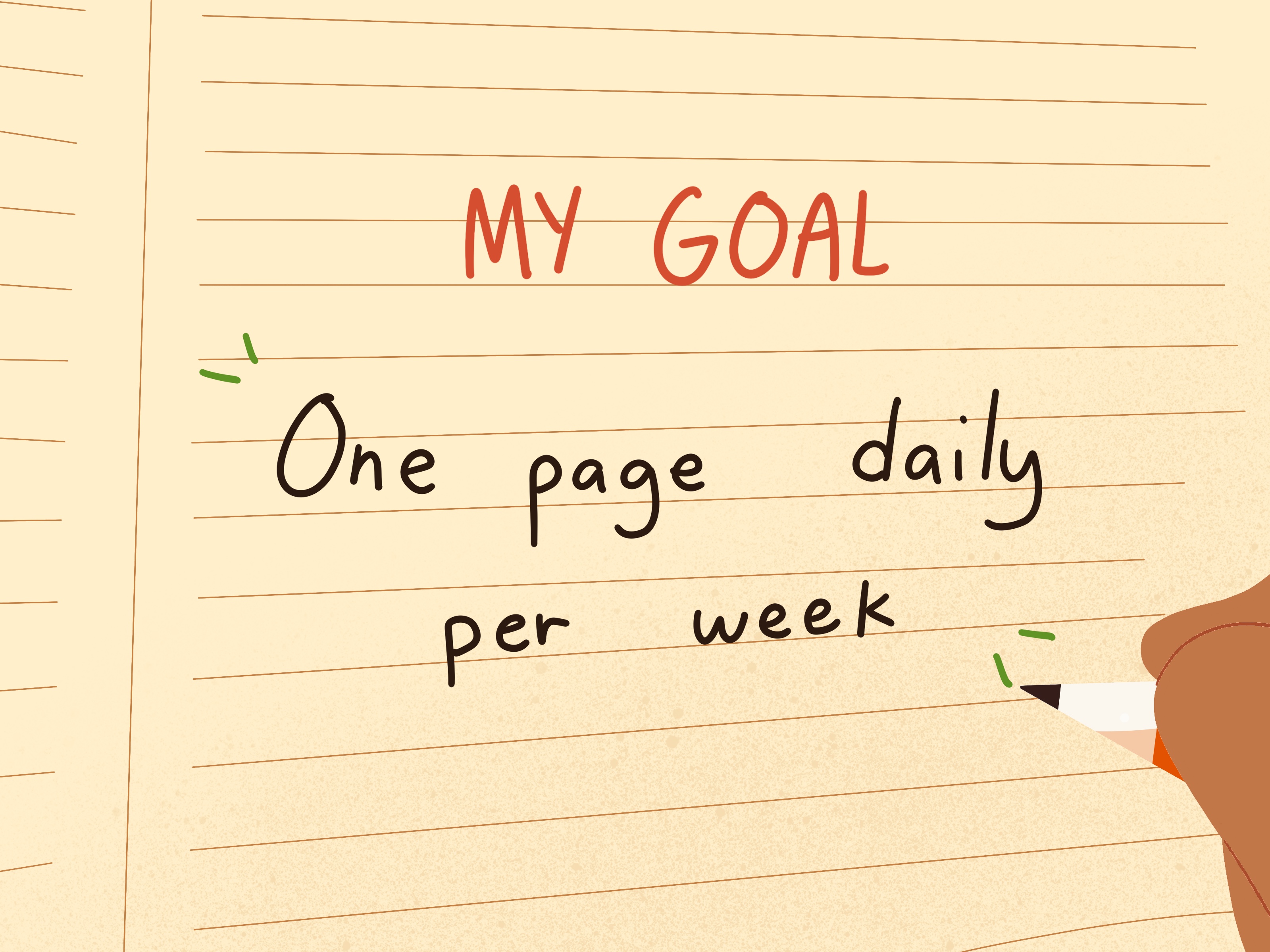
If your goal is “read more,” your brain may respond with: “Cool. Define ‘more.’” A vague goal creates friction. A tiny, specific reading habit is easier to start and easier to keep.
Try one of these micro-goals
- Read 5 pages a day
- Read for 10–15 minutes after lunch
- Read before bed 3 nights a week
- Listen to an audiobook during your commute
Small goals work because they reduce pressure. Once you start, you’ll often keep going. And if you don’t? You still succeeded. That “small win” is how a reading habit gets built.
Step 4: Attach Reading to a Daily Routine
Want to enjoy reading books consistently? Stop relying on motivation and start using routines. Reading is much easier when it’s connected to something you already dolike morning coffee, lunch break, commuting, or bedtime.
Easy habit-stacking ideas
- After I make coffee, I read for 10 minutes.
- After dinner, I read one chapter before TV.
- When I get in bed, I read instead of scrolling.
- During chores, I play an audiobook.
The goal is not “find more time.” It’s “claim existing time.” A reading routine works best when it happens in the same context often enough that it starts to feel automatic.
Step 5: Read in the Format That Fits Your Life
Print books are great. E-books are great. Audiobooks are great. The best format is the one that helps you read more often and enjoy it more. If you’ve been telling yourself audiobooks “don’t count,” let’s retire that idea immediately.
Different formats solve different problems:
- Print books: Great for focus and bedtime reading.
- E-books: Portable, convenient, and perfect for waiting rooms and travel.
- Audiobooks: Excellent for commuting, walking, chores, and low-energy days.
- Graphic novels/comics: Amazing for visual readers and reading slumps.
Switching formats can make reading feel fresh again. Some people even read one format in the morning and another at night. This is not cheating. This is strategy.
Step 6: Build a Reading Environment That Helps You Focus
You do not need a Pinterest-perfect reading nook. But your environment matters. If your phone is buzzing, your laptop is open, and three tabs are screaming for attention, books will lose that fight every time.
Simple ways to reduce friction
- Keep your current book visible (nightstand, bag, desk).
- Put your phone out of reach during reading time.
- Use a bookmark so restarting is easy.
- Create a cozy cue: tea, lamp, chair, blanket, or playlist.
Reading becomes easier when the setup says, “This is what we do here.” Tiny cues matter more than dramatic promises.
Step 7: Use Libraries Like a Reading Coach (Not Just a Building Full of Books)
Libraries are one of the best tools for learning how to enjoy reading books again. They reduce financial pressure, let you test genres without commitment, and often offer book clubs, reading lists, staff picks, and personalized recommendation help.
If you’re unsure what to read next, ask a librarian for books similar to something you already enjoyed. You can also browse “staff favorites,” themed displays, or beginner-friendly reading lists. Many libraries also offer digital borrowing, which means you can get e-books and audiobooks from your phone with a library card.
In other words: libraries are not just for “serious readers.” They are for curious, busy, tired, confused, or recovering-from-doomscrolling humans too.
Step 8: Join a Reading Community (Even a Low-Pressure One)
Reading is often seen as a solo activity, but a little social energy can make it much more enjoyable. Community adds motivation, recommendations, and the feeling that books are part of your lifenot an isolated task.
Easy ways to make reading social
- Join a local or online book club
- Try a “silent book club” where everyone reads their own book
- Text a friend about what you’re reading
- Follow book creators for ideas (without turning it into pressure)
- Set a casual read-along challenge with one friend
Important note: if tracking apps and reading challenges motivate you, great. If they make you feel judged by a spreadsheet, skip them. The point is to enjoy reading, not to turn your hobby into quarterly performance reporting.
Step 9: Use Reading to Wind Down (Especially at Night)
For many people, bedtime is one of the easiest places to create a reading habit. Reading can work as part of a calming wind-down routine, especially when it replaces stimulating screen time right before sleep.
If you try bedtime reading, keep it simple:
- Choose a physical book or a non-backlit device if possible.
- Read something engaging but not too stressful.
- Set a gentle stopping point (one chapter or 15 minutes).
- Let sleepiness be a win, not a failure.
Bonus: even if you only read a little, consistency matters. A “quietly reading a book” bedtime routine can become a signal to your brain that the day is winding down.
Step 10: Redefine What Counts as “Being a Reader”
A lot of people enjoy reading less because they’re carrying a rigid identity: “A real reader finishes every book,” “A real reader reads classics,” or “A real reader reads a certain number of books a year.” That mindset can suck the joy out of the whole experience.
Here’s a better definition: a reader is someone who reads and wants to keep reading. That’s it.
You can read slowly. You can reread comfort books. You can listen instead of reading print. You can read short stories, manga, essays, biographies, or fantasy doorstoppers. You can take breaks and come back. You can read one excellent book in three months and still be a reader.
Enjoyment grows when identity becomes flexible. The more permission you give yourself, the more likely you are to stay with the habit.
Common Mistakes That Make Reading Less Enjoyable
- Starting too big: “I’ll read 50 books this year” after reading 0 last year is ambitious… and occasionally chaotic.
- Choosing books for appearance: If you hate the book, it doesn’t matter how pretty the cover is.
- Reading only when you have ‘free time’: That time may never magically appear.
- Comparing your pace: Reading is not a race unless someone is literally timing you, and that would be weird.
- Treating every slump like failure: Slumps are normal. Restarting is part of reading.
Final Thoughts: Make Reading Feel Like a Pleasure, Not a Project
If you want to enjoy reading books again, start smaller than you think, choose books you genuinely like, and build a routine that fits your real life. Use libraries. Try audiobooks. Quit books that aren’t working. Read in weird little pockets of time. Let reading be fun before you ask it to be productive.
That’s the whole game.
The goal isn’t to become the most impressive reader in the room. The goal is to become the person who smiles when they pick up a book.
Experiences Related to “How to Enjoy Reading Books: 10 Steps” (500+ Words)
Below are realistic, composite experiences based on common reader habits and struggles. They’re included to make the advice more practical and relatable.
Experience 1: The Burned-Out Professional Who Thought Reading Was “Over”
A 34-year-old project manager said she used to love reading in college but stopped almost completely after starting a demanding job. Every year, she made the same resolution: “Read more books.” Every year, she bought two ambitious nonfiction titles, read 20 pages, and quietly turned them into expensive coffee table decor. What changed was Step 1 and Step 3: she chose a fast-paced mystery instead of “improving herself,” and set a goal of 10 minutes before bed. She finished the mystery in under two weeks, which shocked her. More importantly, she started associating reading with relief instead of obligation. Within a few months, she was rotating between thrillers, memoirs, and one audiobook during errands. Her exact words: “I didn’t need more discipline. I needed a better first book.”
Experience 2: The Parent Who Switched Formats and Finally Found Time
A dad of two young kids kept saying he had “no time to read,” which was mostly true in the traditional sense. Sitting down with a print book for an hour felt impossible. Instead of forcing a format that didn’t fit, he tried audiobooks while commuting and folding laundry (Step 5). He also kept a short paperback in the car for school pickup lines (Step 4 and Step 6same place, same cue, less friction). The result wasn’t dramatic overnight transformation; it was something better: consistency. He said he went from reading “almost never” to finishing one or two books a month without feeling like he had to carve out a giant block of time. He also noticed that having a story in progress made him less likely to default to endless scrolling while waiting around.
Experience 3: The “Finish Every Book” Reader Who Learned to Quit
One longtime reader had the opposite problem: she read often, but she stopped enjoying it because she forced herself to finish everything. That included books she disliked, books she chose for social reasons, and books she kept hoping would “get better.” After adopting a DNF rule (Step 2), she felt weirdly guilty for about a weekthen free. She started dropping books that dragged and replacing them with titles that matched her mood. Her reading volume didn’t just increase; her enjoyment increased. She described it as “cleaning out a closet, but in my brain.” This is a great example of how reading habits aren’t just about doing morethey’re about removing friction and resentment.
Experience 4: The Reading Slump Teen Who Needed Variety, Not Willpower
A teen who had always identified as “the book kid” hit a reading slump and assumed something was wrong with her attention span. She tried to power through by picking longer books, which made the slump worse. What helped was Step 5 and Step 8: trying graphic novels and audiobooks, plus talking to a librarian and friends about what sounded fun. Once she gave herself permission to switch genres and formats, reading felt playful again. She later went back to longer novelsbut only after the joy returned. This is a good reminder that a slump does not mean you’ve lost your identity as a reader. Sometimes it just means your reading strategy needs an update.
Experience 5: The Social Reader Who Needed Community to Stay Consistent
Another adult reader discovered that private reading goals never stuck, but discussing books with other people did. She joined a low-pressure group where members read whatever they wanted and met monthly to talk about what they liked (or hated). That community effect (Step 8) made reading feel alive again. She wasn’t just checking off pages; she was collecting stories, opinions, and conversations. She also got better recommendations because people learned her taste over time. Her biggest lesson: “I thought I needed more self-control. Turns out I needed book friends.”

