
Beauty Tools & Accessories
I Bought Tickets To Japan During The Cherry Blossom, But Ended Up In A Pink Fairy Tale Instead
Jul
Note: This article is written in standard American English and synthesizes real, current travel information about Japan’s cherry blossom season, hanami culture, popular sakura destinations, spring travel planning, and practical visitor etiquette.
The Flight Was Supposed to Be a Vacation. The Blossoms Had Other Plans.
I bought tickets to Japan during the cherry blossom season because I wanted a vacation. You know, the normal kind: a few temples, too many convenience-store snacks, a dramatic photo of myself pretending to understand train maps, and maybe one peaceful walk under the famous sakura trees. Simple.
Instead, I landed in what can only be described as a pink fairy tale with vending machines.
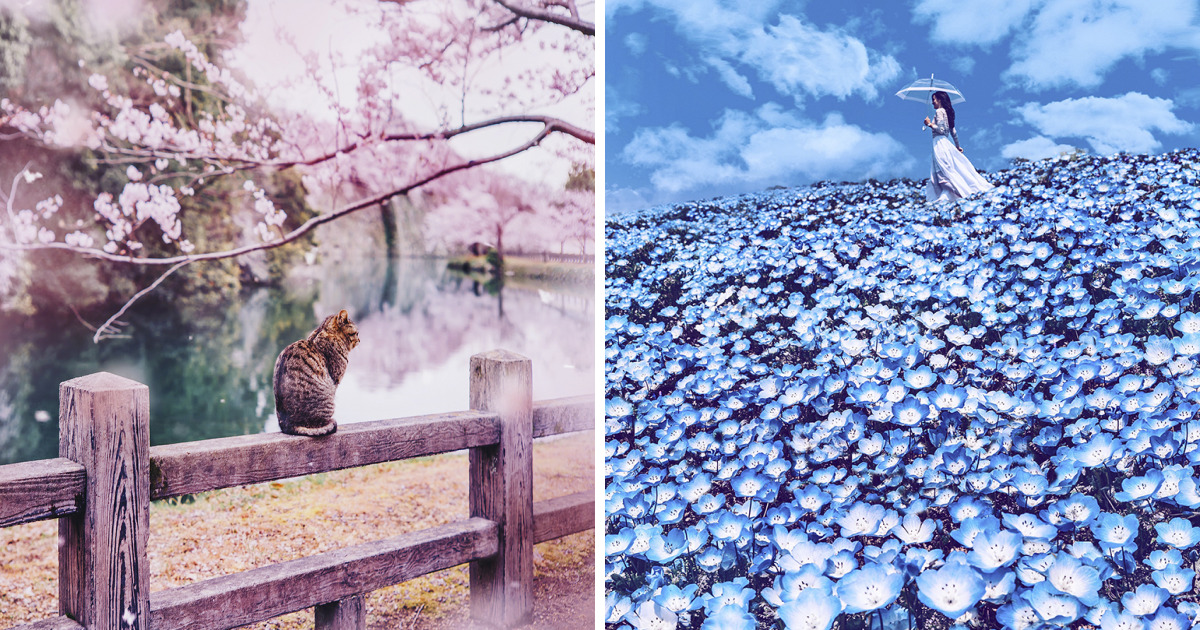
Japan in cherry blossom season is not merely “pretty.” Pretty is a cupcake. Pretty is a clean hotel lobby. Sakura season is an emotional ambush. One minute you are rolling your suitcase through a station, wondering whether you bought the correct train ticket. The next, you are standing beneath a cloud of pale pink petals, watching them drift across the sidewalk like nature has decided to throw confetti because you finally made it through immigration.
Cherry blossom season in Japan, also known as sakura season, typically begins in the south and moves north from March into May. The most famous blooms, especially the pale pink Somei Yoshino variety, often peak in places like Tokyo and Kyoto around late March to early April, although exact timing changes each year depending on weather. That uncertainty is part of the magicand part of the mild panic.
Because when you buy tickets to Japan during cherry blossom season, you are not really booking a trip. You are buying a lottery ticket to spring.
What Makes Japan’s Cherry Blossom Season So Special?
Cherry blossoms are beautiful, yes, but their cultural power in Japan goes much deeper than good lighting for Instagram. Sakura symbolize impermanence, renewal, and the bittersweet beauty of things that do not last long. The blossoms arrive in a breathtaking rush, bloom brilliantly, and then fall away just as everyone becomes emotionally attached. Basically, they are the floral version of a perfect vacation day.
This is why hanami, or cherry blossom viewing, is such a beloved tradition. Families, friends, coworkers, couples, and solo travelers gather in parks, along rivers, near castles, and beside temple paths to enjoy the flowers. Some bring picnic mats and bento boxes. Some bring cameras the size of small appliances. Some simply stand still and stare upward, which is very reasonable behavior when the sky looks like it has been filtered through cotton candy.
For travelers, Japan cherry blossom season offers more than scenery. It creates a whole mood. Train stations sell sakura-themed sweets. Cafes launch pink drinks. Department stores decorate displays with petals. Even convenience stores seem to whisper, “Would you like a cherry blossom mochi with your bottled tea?” The correct answer is yes. Always yes.
Planning the Trip: When to Visit Japan for Cherry Blossoms
The first rule of planning a cherry blossom trip to Japan is this: do not trust one single date with your entire emotional wellbeing. Sakura forecasts are helpful, but spring weather is moody. A warm spell can bring blooms earlier. Rain or wind can shorten peak viewing. Cooler temperatures can stretch the season. The flowers are stunning, but they are terrible at keeping appointments.
Best General Timing
For first-time visitors hoping to see cherry blossoms in popular cities, late March to early April is often the classic window for Tokyo, Kyoto, Osaka, and nearby areas. If you travel later, you can chase the blooms north to places such as Tohoku or Hokkaido, where sakura may peak from mid-April into early May. If you arrive too early in one city, consider visiting gardens with early-blooming varieties. If you arrive too late, look for late-blooming cherry trees or head to higher elevations.
Build Flexibility Into Your Itinerary
A smart Japan cherry blossom itinerary should include flexible days. Instead of locking every hour into a rigid schedule, leave space to follow the bloom. Maybe Tokyo peaks two days earlier than expected. Maybe Kyoto becomes perfect right when you planned a shopping day. Maybe you discover a riverside path near your hotel that no travel guide emotionally prepared you for. Flexibility lets you say, “Actually, I will spend the next three hours walking under petals and pretending I am in a movie.”
Tokyo: Where the Fairy Tale Begins With Neon Signs
Tokyo during cherry blossom season feels like two worlds politely sharing the same sidewalk. On one side, there are skyscrapers, subway lines, coffee chains, and crowds moving with laser-focused purpose. On the other side, a row of cherry trees explodes into bloom, and suddenly everyone slows down. Office workers take photos. Tourists gasp. Children chase petals. Even the city’s usual speed seems to soften.
Ueno Park
Ueno Park is one of Tokyo’s most famous cherry blossom spots, and for good reason. During peak bloom, the central paths become tunnels of sakura, lined with food stalls and filled with people enjoying hanami. It can be crowded, but the energy is festive. Think spring carnival, but with more blossoms and fewer questionable funnel cakes.
Shinjuku Gyoen
Shinjuku Gyoen offers a calmer, more spacious cherry blossom experience. The park has many varieties of cherry trees, which can extend the viewing season beyond the narrow peak of Somei Yoshino blooms. It is a wonderful place for travelers who want room to breathe, take photos, and quietly ask themselves whether moving to Japan is a practical life choice.
Chidorigafuchi
Near the Imperial Palace, Chidorigafuchi is famous for cherry trees arching over the moat. Visitors can stroll along the water or rent a boat for one of Tokyo’s most romantic sakura views. Be warned: rowing under cherry blossoms sounds dreamy until you realize coordination is also required. Still, even a slightly crooked boat ride looks magical in photos.
Kyoto: Ancient Streets Wrapped in Pink
If Tokyo is a neon fairy tale, Kyoto is the illustrated storybook version. Temples, shrines, wooden streets, stone paths, and old bridges become even more atmospheric under cherry blossoms. Kyoto does not simply display sakura; it frames them like poetry.
The Philosopher’s Path
The Philosopher’s Path is one of Kyoto’s most iconic cherry blossom walks. This canal-side route is lined with hundreds of cherry trees, creating a soft tunnel of blossoms in spring. It is named after a philosopher who reportedly used the path for daily walks, which makes sense. If I had a route this beautiful, I would also become deeply reflective, or at least dramatically pretend to be.
Maruyama Park
Maruyama Park, near Yasaka Shrine, is a classic hanami destination and is especially known for its large weeping cherry tree. At night, illuminated blossoms create a dreamy scene that feels less like sightseeing and more like accidentally walking onto the set of a fantasy film.
Kiyomizu-dera and Surrounding Streets
Kiyomizu-dera is spectacular in any season, but spring gives the temple extra drama. The surrounding lanes of Higashiyama are full of traditional shops, snacks, and photogenic corners. Yes, it can be crowded. Yes, you may shuffle uphill behind several tour groups. Yes, it is still worth it.
Beyond Tokyo and Kyoto: Where Sakura Gets Even More Magical
Many travelers focus on Tokyo and Kyoto, but Japan’s cherry blossom season stretches across the country. If you have time, chasing sakura beyond the main tourist route can make the trip feel even more special.
Osaka
Osaka Castle Park is a favorite spring destination, combining historic architecture with thousands of cherry trees. The city also brings a lively food culture, which means your sakura trip can include takoyaki, okonomiyaki, and the spiritual experience of realizing you packed pants with an expandable waistband.
Nara
Nara adds deer to the cherry blossom equation, which is either enchanting or slightly chaotic depending on whether the deer believe your map is edible. Parks and temple grounds around Nara become especially beautiful in spring, offering a gentler day trip from Kyoto or Osaka.
Hirosaki
Hirosaki Park in Aomori is one of Japan’s most celebrated late-season sakura spots, often blooming later than Tokyo and Kyoto. Its castle, moats, bridges, and thousands of cherry trees create a scene so picturesque it feels professionally art-directed by spring itself.
How to Experience Hanami Like a Respectful Traveler
Cherry blossom season is joyful, but it is also busy. Respectful travel matters, especially in crowded parks, temple grounds, and residential neighborhoods.
Do Not Shake the Trees
This should be obvious, but every season, someone gets tempted to create a “petal shower” for a photo. Do not be that person. The blossoms are not props, and the trees are not vending machines for likes.
Take Your Trash With You
Japan is famously clean, but public trash cans can be surprisingly hard to find. Carry a small bag for wrappers, bottles, and snack packaging. Your future self, the local community, and the nearest cherry tree will all appreciate it.
Be Mindful With Tripods and Photos
Everyone wants the perfect sakura photo. However, blocking narrow paths with tripods or stopping suddenly in packed areas can cause traffic jams. Take the photo, enjoy the moment, and move along before you become the reason twenty people behind you develop trust issues.
What to Pack for Cherry Blossom Season in Japan
Spring in Japan can be unpredictable. Mornings may be chilly, afternoons mild, and evenings cool again. Rain can appear without requesting permission. A light jacket, comfortable walking shoes, compact umbrella, and layers are your best friends.
You will also want a portable charger, because cherry blossom season drains phone batteries at shocking speed. Between maps, translation apps, train schedules, and the 476 photos you take of the same tree from slightly different angles, your battery will suffer a heroic defeat.
The Food: Sakura Season Tastes Pink, Too
One of the best surprises about visiting Japan during cherry blossom season is how deeply the theme enters food culture. Sakura-flavored treats appear in bakeries, cafes, supermarkets, convenience stores, and department-store food halls. You may find sakura mochi, pink sweets, limited-edition drinks, cherry blossom cookies, and beautifully packaged seasonal gifts.
Not everything tastes strongly like cherries. In fact, sakura flavor is often floral, lightly salty, or subtly sweet. It is delicate, which is a polite way of saying you may eat something pink and spend several seconds thinking, “I am not sure what just happened, but I feel elegant.”
The Reality Check: Crowds, Prices, and Planning Pressure
Cherry blossom season is one of the most popular times to visit Japan. That means hotels can book up early, prices can rise, trains can be crowded, and famous viewing spots may feel packed during peak hours. This is not a reason to avoid going. It is a reason to plan wisely.
Book accommodations early, especially in Tokyo, Kyoto, and Osaka. Reserve popular restaurants when possible. Consider visiting major sakura spots early in the morning for a calmer experience. Use luggage forwarding services if you are moving between cities, because hauling giant suitcases through crowded stations is not a personality-building exercise anyone needs.
My Pink Fairy Tale Moment
The moment that changed the trip happened in Kyoto. I had planned a quick walk before dinner, nothing dramatic. The sky was turning soft gold, the air was cool, and the cherry trees along the canal were in full bloom. Petals floated down slowly, landing on the water like tiny paper boats.
For once, nobody around me seemed rushed. People were taking pictures, but they were also looking. Really looking. A couple shared snacks on a bench. An older man adjusted his camera carefully, waiting for the light. A child tried to catch petals and failed with the confidence of a professional athlete. I stood there with my convenience-store drink and suddenly understood why people build entire trips around flowers that last only a short time.
Because the shortness is the point.
Cherry blossoms remind you to pay attention. They do not stay long enough for procrastination. You either stop and see them, or you miss them. In a world where everything is saved, posted, backed up, and endlessly replayed, sakura season offers something rare: a beautiful thing that insists on being temporary.
Extra Travel Experience: What It Really Felt Like to Be Inside the Pink Fairy Tale
Before the trip, I imagined Japan’s cherry blossom season as a checklist item. See sakura, take photos, eat ramen, buy souvenirs, return home with stories. But the real experience was richer, funnier, and more human than any itinerary could capture.
There was the morning I woke up before sunrise in Tokyo and walked to a park while the city was still stretching itself awake. The vending machines glowed on quiet streets. A few joggers passed by. Then I reached a row of cherry trees just as the first light touched the petals. There were no dramatic crowds yet, no festival noise, no race for the best angle. Just blossoms, pale and almost silver in the morning air. It felt like the city had let me in on a secret before opening hours.
Later that day, I learned the true meaning of “popular viewing spot.” At Ueno Park, the crowd moved like a cheerful river. Families sat on picnic sheets. Friends toasted under branches. Food stalls filled the air with the smell of grilled snacks. I was bumped by backpacks, dazzled by blossoms, and briefly defeated by the line for a snack I could not pronounce. Still, the chaos had charm. It was not a private fairy tale. It was a shared one, and somehow that made it better.
In Kyoto, the mood changed. The blossoms seemed quieter there, more cinematic. Walking through old streets in Higashiyama, I saw petals caught on tiled roofs, resting on stone steps, and floating beside wooden storefronts. A woman in a kimono paused for a photo beneath a branch, and for a second, everyone nearby silently agreed not to ruin the frame. Even the wind behaved itself.
One evening, I followed a canal path with no particular destination. This became one of the best decisions of the trip. Travel guides are useful, but sometimes the most memorable moments happen when you stop trying to optimize every minute. The path curved gently. Lanterns flickered on. Blossoms reflected in the water. I bought a warm snack from a small shop and ate it while standing under a tree, which may not sound glamorous, but at that moment I felt like royalty with better street food.
The funniest lesson was that cherry blossom travel makes everyone a photographer. People who probably never photograph anything except receipts suddenly become lighting experts. I saw tourists crouching, leaning, squinting, whispering to flowers, and performing advanced yoga poses for the perfect shot. I judged them for approximately three seconds before doing the exact same thing.
But the deeper lesson was patience. Cherry blossom season rewards travelers who slow down. The best view may not be the most famous one. It may be a single tree beside a neighborhood playground. It may be petals falling onto train tracks. It may be a quiet temple garden just after rain, when the blossoms look freshly painted.
By the end of the trip, I had hundreds of photos, a suitcase full of snacks, and a strange new emotional attachment to trees. I had also learned that buying tickets to Japan during cherry blossom season is slightly risky, occasionally crowded, and absolutely worth it. You may arrive expecting a vacation. But if the timing is right, the weather is kind, and you remember to look up, you might find yourself inside a pink fairy tale instead.
Conclusion: Should You Visit Japan During Cherry Blossom Season?
Yes, if you can handle crowds, flexible planning, and the possibility that flowers may make you unexpectedly sentimental in public. Japan during cherry blossom season is one of the world’s great travel experiences because it combines natural beauty, cultural meaning, seasonal food, historic settings, and everyday joy.
The best approach is to plan carefully but travel lightly in spirit. Follow bloom forecasts, book early, choose a mix of famous and quieter spots, and leave room for surprise. Sakura season is not about controlling every detail. It is about being present when the petals fall.
I bought tickets to Japan during the cherry blossom season. I expected a trip. I got pink streets, glowing temples, rivers of petals, crowded parks, quiet mornings, and a reminder that beauty does not have to last forever to be unforgettable.

