
Beauty Unlocked
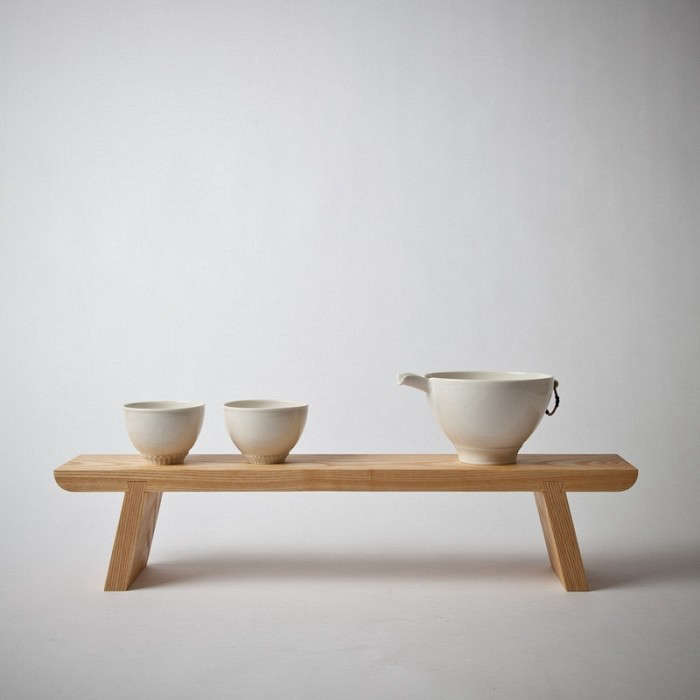
Gilbert Garcia’s Wood Pottery Stand
Jul
Some objects shout for attention. Others simply stand therequiet, useful, handsomeand somehow make everything around them look more intentional. Gilbert Garcia’s Wood Pottery Stand belongs to the second group. It is not a flashy piece of furniture, not a dramatic sculpture, and definitely not the sort of object that arrives with a brass band and a cloud of packaging peanuts. Instead, it is a handmade wooden stand designed to do one elegant job: elevate pottery so it can be seen, enjoyed, and appreciated.
At first glance, a wood pottery stand may seem like a supporting actor. The ceramics get the glaze, the curves, the hand-thrown irregularities, and all the Instagram applause. But anyone who has tried to display a beloved pottery collection on a flat table knows the truth: without the right foundation, beautiful ceramics can look like they are waiting for a dishwasher cycle. A good display stand gives the eye structure. It creates rhythm. It adds warmth. And in the case of Gilbert Garcia’s stand, it brings the grounded honesty of wood into conversation with the quiet poetry of clay.
This article explores what makes Gilbert Garcia’s Wood Pottery Stand special, why handmade wood display pieces matter, how to style pottery without creating visual chaos, and how this simple Canadian-made object fits into a broader appreciation for craft, material, and slow living. Think of it as a love letter to the humble standthe furniture equivalent of a good friend who holds the door, remembers your birthday, and never steals the spotlight.
What Is Gilbert Garcia’s Wood Pottery Stand?
Gilbert Garcia’s Wood Pottery Stand is a handmade display stand created by Quebec-based woodworker Gilbert Garcia. It was presented through Mjölk, the Toronto design shop and gallery known for its thoughtful mix of Scandinavian, Japanese, and Canadian design influences. The stand was described as being available in pine, oak, and cherry, with dimensions of approximately 57 centimeters long, 11 centimeters deep, and 12 centimeters high.
Those measurements matter because they reveal the stand’s purpose. This is not a hulking console table or a bulky shelving unit. It is narrow, low, and linearalmost architectural. It gives pottery a stage without pretending to be the main performance. The elongated shape is ideal for displaying tea bowls, cups, small vases, sake vessels, bud vases, or a curated row of handmade objects. In other words, it is not storage pretending to be design. It is display with manners.
The available wood options also give the piece personality. Pine has a lighter, more rustic quality and can bring a relaxed warmth to a room. Oak feels sturdy, classic, and textural, with visible grain that adds visual depth. Cherry tends to feel richer and more refined, developing character as it ages. Each wood choice changes the mood of the pottery displayed on top, just as a frame changes the feeling of a painting.
The Beauty of a Stand That Knows Its Place
One reason Gilbert Garcia’s Wood Pottery Stand feels compelling is that it understands restraint. Modern interiors often struggle with either too much emptiness or too much stuff. On one side, there is the cold showroom look where a room appears afraid of personality. On the other, there is the “I collect everything and maybe also every basket ever made” approach. A pottery stand offers a middle path.
By raising ceramics just a little above the surface, the stand creates importance without drama. A cup becomes more than a cup. A vase becomes a small landscape. A row of bowls becomes a composition. The stand introduces hierarchy, which is a fancy design word for “your eye finally knows where to go and stops wandering around like it lost its keys.”
This is especially useful for handmade pottery, where subtle details matter. A slight wobble in the rim, a glaze drip, a thumb mark, a trimmed foot, or a hand-built asymmetry can disappear when pieces are crowded on a shelf. Elevation gives those details breathing room. The stand helps a collection feel curated rather than accumulated.
Why Wood and Pottery Work So Well Together
Wood and pottery are natural companions because both materials carry evidence of time. Wood shows grain, growth, knots, and color variation. Pottery shows the hand, the fire, the clay body, and the glaze. Together, they create a tactile conversation that plastic, glass, or metal often cannot replicate.
Clay begins as earth and becomes form through pressure, water, heat, and patience. Wood begins as a living tree and becomes furniture through cutting, shaping, joinery, sanding, and finishing. Both materials have memory. Both reward close looking. Both make a room feel warmer because they remind us that useful things can still have soul.
That is the quiet magic of Gilbert Garcia’s stand. It does not treat pottery as decoration alone. It treats pottery as craft. The wood base says, “These pieces deserve a place.” It also adds a natural horizontal line that can calm a tabletop, sideboard, or open shelf. In a world full of glossy surfaces and disposable decor, that kind of calm feels almost rebellious.
Design Influences: Scandinavian, Japanese, and Canadian Craft
Mjölk’s design world has long been associated with a blend of Scandinavian simplicity, Japanese craft sensibility, and Canadian material honesty. Gilbert Garcia’s Wood Pottery Stand fits comfortably within that language. It is functional but not purely utilitarian. It is minimal but not cold. It is handmade but not overly precious.
The Japanese influence is especially easy to sense in the way the stand honors negative space. In Japanese interiors and tea culture, display is often about editing, seasonality, and attention. A single bowl can carry more emotional weight than a crowded cabinet. The stand allows for that kind of focus. It asks you not to show everything at once. Yes, even the mug you bought on vacation because it had a tiny fox on it. The fox can wait its turn.
The Scandinavian side appears in the clean geometry and practical warmth of the wood. Scandinavian design often values usefulness, simplicity, and natural materials. The stand does not need ornament to feel complete. Its form is straightforward, but its impact comes from proportion, material, and context.
The Canadian craft element brings the piece back to place. Quebec has a deep tradition of skilled making, and Garcia’s connection to woodworking and collaborative craft projects gives the stand a local, studio-made quality. It is not an anonymous accessory. It has a maker, a material, and a purpose.
How to Style Gilbert Garcia’s Wood Pottery Stand
The easiest mistake with any display stand is treating it like a parking lot. Just because six objects fit does not mean six objects should be there. Styling pottery is not a competitive eating contest. The goal is not to see how much clay can survive on one strip of wood.
Start With Three to Five Pieces
Odd-numbered groupings often feel natural to the eye. Try three tea bowls, five small vessels, or one vase paired with two cups. If the pottery varies in height, even better. A low bowl, a medium cup, and a taller vase create movement across the stand.
Mix Shape, Not Chaos
Choose pieces that share something in common: glaze tone, clay body, maker, region, or mood. They do not need to match perfectly. In fact, too much matching can feel stiff. But they should speak the same language. A speckled stoneware cup, a rough clay vase, and a soft white tea bowl may look harmonious. A neon novelty mug shaped like a dinosaur may need its own emotional support shelf.
Leave Breathing Room
Negative space is not empty space; it is what lets the objects be seen. Leave small gaps between pieces so each form has a silhouette. If two pieces are touching, the eye may read them as clutter. If they are spaced thoughtfully, the eye reads them as a collection.
Use the Stand on a Sideboard, Shelf, or Tea Table
Because the stand is low and narrow, it works beautifully on a sideboard, console, dining shelf, kitchen counter, or tea station. It can also sit inside a larger bookcase to create a display zone. That little lift can prevent pottery from visually sinking into the shelf behind it.
Best Pottery Pieces to Display on a Wood Stand
Gilbert Garcia’s Wood Pottery Stand is especially suited to smaller handmade pieces. It is not meant for giant floor vases or anything that requires a forklift and a prayer. Instead, think intimate, tactile, and collectible.
Tea Bowls and Yunomi Cups
Tea vessels are a natural fit because they are made to be held and admired from close range. A row of tea bowls on wood can feel calm, ceremonial, and deeply personal.
Small Vases
Bud vases and mini vessels gain presence when elevated. Add one stem, a dried branch, or nothing at all. Good pottery does not always need flowers. Sometimes it just needs confidence.
Sake Cups and Pourers
A small sake set displayed on the stand can transform a dining area or bar cabinet. The stand visually connects the pieces and makes the set feel intentional.
Collected Studio Pottery
If you collect pieces from different ceramic artists, the stand can help unify them. The wood becomes the common ground, allowing different glazes and forms to coexist without looking random.
Why Handmade Display Matters
In a fast-furniture culture, display pieces are often treated as afterthoughts. We buy the vase, then toss it onto whatever surface is nearby. But handmade ceramics deserve better than the “somewhere on the bookshelf between old receipts and a Bluetooth speaker” treatment.
A handmade stand changes the relationship between object and space. It slows the viewer down. It suggests that the collection has been chosen, arranged, and cared for. This is why museums, galleries, and thoughtful homes use plinths, risers, shelves, and platforms. Elevation tells the eye: pay attention here.
That does not mean your living room needs to look like a museum where everyone whispers and no one knows where to sit. The best home displays still feel relaxed. Gilbert Garcia’s stand works because it bridges both worlds: refined enough for a gallery-like vignette, warm enough for daily life.
Caring for the Wood Stand and the Pottery
Both wood and ceramics are durable, but they are not invincible. Treat the stand and the objects on it with a little common sense and they will reward you by not cracking, staining, or staging a tiny domestic tragedy.
Keep It Dry
Do not place wet pottery directly on the stand. If you use a vase with fresh flowers, make sure the base is dry before setting it down. Water rings are not patina; they are furniture asking why you betrayed it.
Dust Gently
Use a soft, dry cloth for the wood and a clean, gentle cloth for pottery. Avoid aggressive scrubbing, especially on unglazed or textured ceramic surfaces. Dust is annoying, but it should not lead to combat.
Avoid Direct Sunlight
Strong sunlight can affect wood color over time and may also change the appearance of some finishes or glazes. A softly lit shelf or sideboard is usually better than a blazing window ledge.
Reduce Handling
Pottery breaks most often when it is moved, bumped, or handled carelessly. Arrange the stand where it will not be constantly brushed by sleeves, backpacks, pets, or enthusiastic dinner guests telling a story with both arms.
Where the Stand Fits in Today’s Interiors
Current interior design has been moving toward more layered, personal, and craft-driven spaces. People want homes that feel collected rather than staged. Handmade ceramics, vintage wood, sculptural vessels, and natural textures all support that shift. Gilbert Garcia’s Wood Pottery Stand fits this mood perfectly because it is not trying to follow a trend. It is doing something older and better: helping meaningful objects look meaningful.
In a minimalist room, the stand adds warmth without clutter. In a rustic room, it reinforces the beauty of natural materials. In a modern apartment, it gives handmade pottery a clean frame. In a traditional home, it can soften formal furniture with a quieter, craft-based accent.
The stand also works in small spaces. Not everyone has room for a display cabinet or a full wall of open shelving. A low wooden stand can create a mini-gallery on a narrow console, kitchen shelf, or windowsill. It gives renters and small-space dwellers a way to make a collection feel deliberate without drilling holes, buying another cabinet, or negotiating with a landlord who still thinks beige carpet is a personality.
Buying or Recreating the Look
Because Gilbert Garcia’s original wood pottery stand was a specific handmade design, availability may vary. But the look offers useful guidance for anyone seeking a similar piece. Focus on proportion, material, and craftsmanship.
Look for a stand that is long enough to hold several small pieces but narrow enough to stay elegant. Choose real wood over imitation materials whenever possible. Pine will feel lighter and more casual. Oak will bring strength and visible grain. Cherry will feel warmer and more refined. If buying from an independent woodworker, ask about finish, care instructions, and whether the stand is intended for dry display only.
If you are handy, a simple pottery stand can also inspire a woodworking project. The key is restraint. Clean lines, stable joinery, smooth edges, and a finish that protects the wood without making it look plastic are more important than decorative tricks. The best version should look like it belongs under pottery, not like it is auditioning for a medieval banquet.
Experience Notes: Living With a Wood Pottery Stand
There is a particular pleasure in using a wood pottery stand at home because it changes how you interact with your objects. Before using a stand, pottery can become part of the background. You place a bowl on a shelf, walk past it for months, and eventually stop seeing it. Once it is elevated and grouped with intention, the same bowl becomes visible again. It is a small design move, but it has a surprisingly large emotional effect.
One practical experience is that the stand helps you edit. When you only have room for a few pieces, you become more selective. Instead of displaying every mug, vase, and cup you own, you choose the ones that feel right for the season or the room. In spring, pale glazes and small flower vessels may look fresh. In fall, darker clay bodies and warmer wood tones feel cozy. In winter, a simple white bowl on cherry or oak can look quiet and strong. The stand becomes a rotating stage rather than a permanent storage solution.
Another benefit is that guests notice the pottery more. A cup sitting flat on a counter reads as kitchenware. A cup placed on a handmade wooden stand reads as an object with a story. People ask where it came from, who made it, or why the glaze looks the way it does. Suddenly, your decor is not just decor; it is conversation. And unlike a giant television, it does not need a remote or occasionally ask for a software update.
The stand is also useful for people who enjoy tea, coffee, or slow morning rituals. A small row of favorite cups near a kettle can make an everyday routine feel more deliberate. You do not need to turn breakfast into a ceremony with chanting and linen robes. But choosing a cup from a beautiful stand does make the first drink of the day feel less like survival and more like a civilized decision.
From a styling perspective, the biggest lesson is to avoid overcrowding. The temptation is real. Once the stand looks good with three pieces, you may wonder whether it would look even better with seven. Usually, it will not. The charm comes from space, proportion, and the relationship between wood and clay. When too many pieces are added, the stand loses its quiet confidence and starts looking like a craft fair table five minutes before opening.
Finally, living with a wood pottery stand encourages better care. You become more aware of dust, moisture, placement, and handling. You notice which pieces feel stable and which need a safer location. You start treating handmade objects less like random household items and more like small works of functional art. That, ultimately, is the value of Gilbert Garcia’s Wood Pottery Stand. It does not merely hold pottery. It teaches you to see it.
Conclusion
Gilbert Garcia’s Wood Pottery Stand proves that a supporting object can still be deeply important. Its beauty lies in proportion, material, and restraint. It gives ceramics a thoughtful place to live, adds warmth to interiors, and reflects a larger appreciation for handmade design. Whether used for tea bowls, small vases, sake cups, or collected studio pottery, the stand creates a quiet moment of attention in the home.
In an age of fast decor and disposable trends, a handmade wood pottery stand feels refreshingly grounded. It asks us to slow down, display fewer things better, and notice the relationship between wood, clay, hand, and home. That may sound poetic for a small wooden stand, but good design has always been sneaky that way. One day it is just holding a bowl. The next day it has improved the whole room.
Note: This article was written for web publishing in standard American English and is based on verified product details, craft context, pottery display practices, and wood-care guidance.

