
Hair Care
How to Stop Coffee Filter Collapse: 6 Fixes & Prevention Tips
Jul
There are few kitchen betrayals more personal than a coffee filter collapsing halfway through a brew. One moment, you are peacefully waiting for caffeine. The next, your filter has folded inward like a tiny paper canoe in a storm, coffee grounds are floating where they should not be floating, and your counter looks like it lost a fight with a mud puddle.
The good news is that a collapsing coffee filter is usually not a mysterious coffee-maker curse. It is often caused by a poor filter fit, an uncreased seam, too much coffee, a clogged basket, uneven water flow, or a paper filter that never settled properly into place. Once you identify the cause, the fix is usually simple, inexpensive, and much less dramatic than replacing your entire brewer.
This guide explains how to stop coffee filter collapse in automatic drip coffee makers, cone brewers, and pour-over setups. You will learn six practical fixes, common mistakes to avoid, and prevention habits that keep your morning brew from becoming a small-scale disaster movie.
Why Do Coffee Filters Collapse in the First Place?
A coffee filter collapses when it cannot stay supported against the walls of the brew basket or dripper. In a flat-bottom basket, water can sneak between the paper and the basket wall, lifting or folding the filter inward. In a cone-shaped brewer, the paper may shift, buckle, or sag toward the drain opening.
Once the paper moves, coffee grounds can escape around the edges. That creates weak coffee, bitter coffee, sediment in the carafe, slow drainage, or an overflowing brew basket. In other words, the filter is no longer acting like a filter. It has started a new career as a soggy origami project.
Common causes include:
- Using the wrong size or shape of paper filter
- Skipping the seam fold on basket or cone filters
- Overfilling the filter with coffee grounds
- Using a grind that is too fine for the brewer
- Pouring water too aggressively in a manual brewer
- Using a dirty or partially clogged filter basket
- Failing to seat the filter flat against the brew basket
The key is to solve the physical problem instead of blaming the coffee beans. Your beans may be innocent. Your filter, however, may be plotting chaos.
1. Use the Correct Coffee Filter Size and Shape
The fastest way to stop coffee filter collapse is to use a filter designed for your exact brewer. Coffee filters are not interchangeable just because they look vaguely paper-like and have excellent intentions.
Match the filter to the brew basket
Automatic drip coffee makers generally use either flat-bottom basket filters or cone filters. Basket filters have a wide, flat base and pleated sides. Cone filters taper toward the bottom and are often labeled by size, such as #2 or #4.
If a basket filter is too small, it may sit low in the brew basket and fold inward once water starts flowing. If it is too large, the excess paper can bunch, wrinkle, or interfere with the lid and sprayhead. A cone filter that is too narrow can sink into the opening, while one that is too wide may crease and collapse at the sides.
Check your coffee maker manual or the markings on the old filter package before buying replacements. When in doubt, compare the filter’s height, base width, and shape to the inside of your brew basket.
Do not guess based on cup count alone
“Twelve-cup filter” can mean different things depending on the manufacturer. One brewer may require a standard flat-bottom 12-cup filter, while another needs a taller filter with a specific shape. The filter should reach the top edge of the basket without hanging wildly over it like a paper lampshade.
2. Fold the Filter Seam Before You Add Coffee
This small move can prevent a surprisingly large amount of coffee-related sadness. Many paper filters have a reinforced seam along the bottom or side. Folding that seam before placing the filter in the basket helps it sit flatter and hold its shape.
For flat-bottom basket filters
Fold the crimped edge at the bottom of the filter before opening it. Then gently press the filter into the basket so the base lies flat. This makes the paper less likely to spring upward or fold in on itself once water hits the grounds.
For cone filters
Fold the side seam and the bottom seam, then place the filter in the cone. Press it gently against the brewer walls. The filter should look smooth and centered rather than wrinkled, lopsided, or like it has been through a difficult commute.
Do not aggressively mash the paper into place. You are seating it, not filing a tax return with a stapler.
3. Seat the Filter Properly Before Brewing
A filter that is technically the right size can still collapse if it is not seated correctly. Before adding grounds, make sure the paper touches the basket walls and sits evenly around the rim.
For automatic drip coffee makers
Place the dry filter in the basket after folding the seam. Use clean fingers to gently press the filter into the bottom and along the sides. Make sure the bottom is centered and the paper does not cover or block the drain opening.
Some brewers work best with a dry filter because a heavily soaked filter may droop or stick in the wrong position. Follow your coffee maker’s instructions first, especially if the manufacturer provides guidance on filter placement.
For pour-over coffee makers
Rinsing a paper filter with hot water is often helpful for manual brewers. The rinse can remove paper dust or papery flavor while helping the filter cling to the dripper walls. After rinsing, discard the rinse water and check that the filter remains centered before adding coffee grounds.
If the paper shifts after you add grounds, remove the grounds and reset the filter. It is annoying, yes. It is still less annoying than scooping wet grounds out of your carafe later.
4. Avoid Overfilling the Filter With Coffee Grounds
A coffee filter has two jobs: hold the grounds and let water move through them. When you add too much coffee, the filter becomes crowded, water drains more slowly, and the weight of saturated grounds can pull the paper inward.
Overfilling is especially common when people try to make stronger coffee by adding a mountain of grounds instead of adjusting the coffee-to-water ratio more carefully. The result is often a stalled brew basket, a bitter cup, and a filter that gives up halfway through the mission.
Use a reasonable coffee dose
For most drip brewers, a practical starting point is about 1 to 2 tablespoons of ground coffee per 6 ounces of water, adjusted for your taste. A kitchen scale gives more consistent results. Many coffee recipes use a ratio close to 1 gram of coffee for every 15 to 18 grams of water.
More coffee is not always better coffee. If you want a stronger cup, try slightly reducing the water or using a modestly finer grind rather than packing the filter to the brim.
Be especially careful with decaf and fine grounds
Some decaf coffees and pre-ground coffees are ground fairly fine. Fine particles can slow water flow, increase the chance of overflow, and make a fragile paper filter more likely to buckle under pressure. If your brewer repeatedly struggles with one coffee but not another, grind size may be the real culprit.
5. Control Water Flow and Pour More Evenly
For pour-over coffee, an aggressive pour can shove the filter away from the brewer wall. Water hitting one side too hard can also create channels in the coffee bed and push grounds toward the edge of the filter.
Use a slow, centered pour
Start by wetting the grounds evenly. Let them bloom briefly, then pour in gentle circles. Keep the stream away from the paper walls whenever possible. Think of your kettle as a watering can for a very expensive houseplant, not a fire hose at a parade.
A gooseneck kettle makes this easier because it provides more control. You do not need a fancy kettle to make good coffee, but you do need enough patience to avoid dumping all the water into one corner.
Check the sprayhead in automatic brewers
In an automatic coffee maker, the sprayhead should distribute water across the coffee bed rather than blasting one concentrated spot. If the sprayhead is missing, clogged, or dirty, water flow may become uneven and contribute to overflow or filter movement.
Remove mineral buildup and coffee residue according to your brewer’s cleaning instructions. A clean sprayhead helps the machine brew more evenly and gives the filter less reason to panic.
6. Clean the Brew Basket and Inspect the Brewer
If you have the right filter, correct amount of coffee, and a careful setup but the filter still collapses, inspect the brew basket itself. Coffee oils, fine grounds, mineral deposits, and sticky residue can prevent the paper from sitting flat.
Clean the basket after every brew
Discard used grounds promptly, rinse the basket, and wash it regularly with warm, soapy water. Pay attention to the drain opening, underside of the basket, and any removable parts. Coffee residue is sneaky. It can hide in places that seem too small to matter, then create a very large mess at 6:45 a.m.
Check for damaged parts
Look for cracks, warped plastic, loose basket supports, broken springs, or a brew basket that does not slide fully into place. A damaged basket may not support the filter correctly, even when the paper itself is perfect.
If your brewer uses a removable filter holder, make sure it is fully inserted before brewing. A slightly crooked basket can turn a normal coffee routine into a flood simulation.
Prevention Tips to Keep Coffee Filters From Collapsing
Once you solve the immediate problem, a few simple habits can keep it from returning.
- Buy filters that match your brewer’s recommended shape and size.
- Store paper filters in a dry place so they do not become warped or crushed.
- Fold the seam before placing basket or cone filters in the brewer.
- Replace badly wrinkled, torn, or misshapen filters instead of trying to rescue them.
- Use a medium grind for most automatic drip coffee makers unless your brewer recommends otherwise.
- Do not overfill the filter basket with grounds.
- Clean the brew basket, drain opening, and sprayhead regularly.
- Keep the coffee maker on a level surface so water and grounds distribute more evenly.
One common mistake is using two paper filters at once. It may seem like extra protection, but double filters can slow the brew, increase overflow risk, and change the flavor of the coffee. Use one properly fitted filter unless your brewer manufacturer specifically says otherwise.
Can a Reusable Coffee Filter Prevent Collapse?
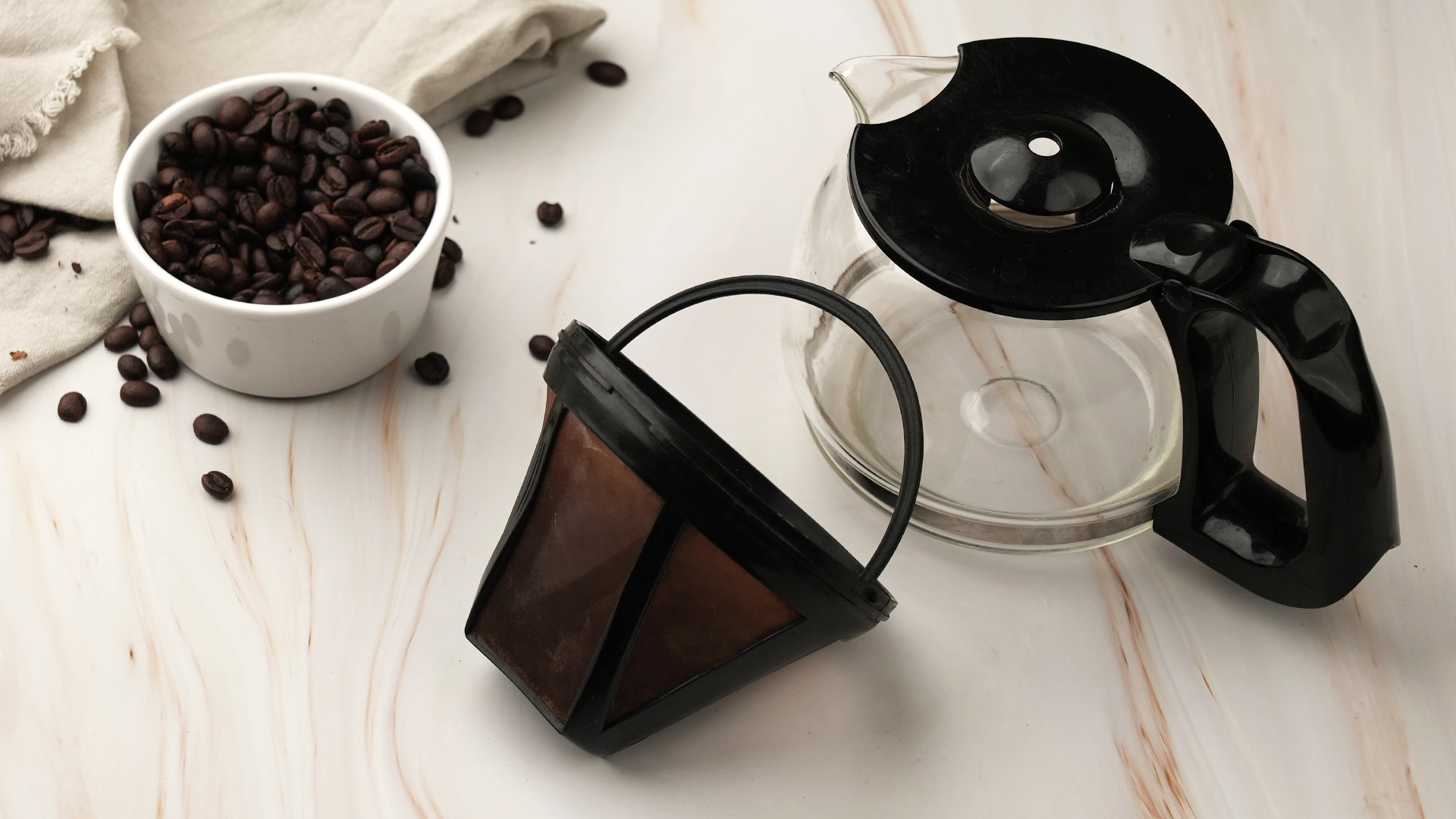
A reusable mesh filter may help if paper filters constantly collapse in your specific brewer. Since reusable filters are shaped to fit the basket, they are less likely to fold inward. However, they also allow more coffee oils and tiny particles into the cup.
That can create a fuller-bodied, bolder brew, but it may not taste the same as coffee made with paper filters. Reusable filters also require thorough cleaning. If oil residue builds up, your coffee can taste stale even when your beans are fresh.
Before switching, check whether your coffee maker is designed to use a permanent filter. Some brewers can use one safely, while others are built around a particular paper-filter shape.
Experience-Based Coffee Filter Collapse Lessons From Real Morning Mishaps
The most useful lesson from coffee filter collapse is that the obvious explanation is not always the correct one. Many people assume the coffee maker is broken because the filter suddenly caves in after months of normal brewing. Often, the brewer is fine. The problem started with a new filter package, a different brand, a slightly finer grind, or one rushed morning when the filter was dropped into the basket without being folded and seated.
A common scenario goes like this: someone buys filters that look almost identical to their usual ones. They fit into the basket, at least technically, so everything seems normal. Then the first brew starts, water hits the paper, and one side of the filter slides inward. The grounds spill over, the coffee drains slowly, and the carafe receives a bonus serving of brown grit. The lesson is simple: “almost the right filter” is often just another way to say “future cleanup project.”
Another frequent experience involves trying to brew a larger batch than usual. A person may use the same amount of coffee they normally use for a small pot, then add an extra scoop or three because Monday has arrived with its usual lack of mercy. The coffee bed rises too high, water backs up, and the saturated filter becomes heavy enough to fold. The better move is to follow the brewer’s maximum coffee capacity and make strength adjustments in smaller steps.
Pour-over brewers teach a different lesson: speed matters. When water is poured too quickly against the wall of a paper filter, the force can shift the paper or send water around the coffee bed. The resulting cup may taste weak and uneven, even if the filter does not fully collapse. Slowing down feels inconvenient at first, but it quickly becomes part of the ritual. A controlled pour is not just coffee theater. It helps water move through the grounds more evenly.
Cleaning also matters more than most people expect. A brew basket can look clean from the top while the drain area underneath is packed with old grounds and coffee oils. That buildup slows drainage, which encourages water to pool. Once water pools, the filter becomes more likely to shift or collapse. A quick rinse after every brew and a more thorough wash every few days can prevent this chain reaction.
The final experience-based takeaway is that prevention beats improvisation. Tape, clips, makeshift weights, and other “genius” hacks may seem tempting when a filter keeps failing. But coffee makers involve hot water, steam, food contact, and moving liquid. The safest long-term solution is almost always boring in the best possible way: use the correct filter, fold the seam, seat it properly, avoid overfilling, pour gently, and keep the brewer clean.
It may not sound glamorous, but neither is wiping coffee sludge off the counter before you have had coffee. A stable filter is a small victory, but on a busy morning, small victories deserve applause.
Conclusion
A collapsing coffee filter is frustrating, but it is usually easy to fix. Start with the correct filter size and shape, fold the seams, seat the paper carefully, avoid overloading the basket, control water flow, and keep the brewer clean. With these habits in place, your coffee filter should stay upright, your grounds should stay where they belong, and your morning can return to its natural state of organized caffeine consumption.

