
Beauty Tools & Accessories
How to Make a Crinoline
Jun
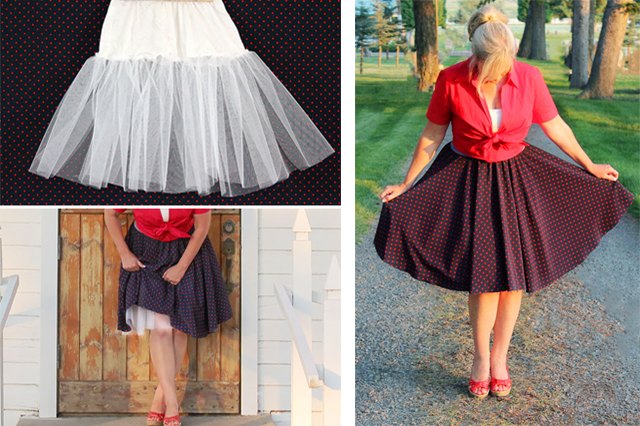
A crinoline is the secret architecture behind a skirt that refuses to behave modestly. Whether you are sewing a 1950s-inspired party dress, a wedding gown, a cosplay costume, or a full Victorian-style ensemble, a well-made crinoline gives your outfit shape, lift, and a little main-character energy.
The word “crinoline” originally referred to stiff fabric made with horsehair and cotton, but modern versions are usually made from nylon net, tulle, mesh, fabric ruffles, plastic boning, or lightweight hoops. Historic cage crinolines used hoops held together with fabric tapes, while many modern crinolines are simply layered petticoats designed to create volume without turning the wearer into a human lampshade.
This guide explains how to make a soft, layered crinoline petticoat that works under dresses, skirts, costumes, and formal gowns. It also includes an optional hoop-skirt method for larger historical silhouettes. The soft version is easier, more comfortable, and much more forgiving when you accidentally sit on a snack at a party.
What Is a Crinoline?
A crinoline is an undergarment worn beneath a skirt or dress to create fullness. Depending on the design, it can create a gentle A-line shape, a dramatic 1950s swing-skirt silhouette, a ballroom-style bell shape, or a wide Victorian hoop-skirt profile.
Modern crinolines usually fall into two categories:
- Layered crinoline petticoats: Soft or stiff netting, tulle, organza, or nylon mesh gathered into tiers.
- Hoop crinolines: Lightweight hoops or boning arranged in a cage shape beneath a skirt.
For most sewing projects, a layered petticoat is the best place to start. It is easier to wash, easier to pack, easier to repair, and less likely to turn doorways into a strategic challenge.
Choose the Right Crinoline Style for Your Dress
Soft Layered Crinoline
A layered crinoline uses gathered strips of nylon net, dress net, tulle, or lightweight mesh. This style works especially well under circle skirts, retro dresses, prom dresses, swing dresses, costume skirts, and tea-length wedding dresses.
Choose this option when you want:
- A soft, fluffy silhouette
- Comfortable movement
- Easy sewing techniques
- A crinoline that can fit several dresses
- A project that does not require building a wearable satellite dish
Hoop or Cage Crinoline
A hoop crinoline is better for wide historical gowns, cosplay dresses, period costumes, and heavily structured ball gowns. It creates more dramatic volume while using less fabric than a very full petticoat.
Choose a hoop crinoline when your dress needs a strong bell shape, a large circumference, or a very specific historical silhouette. Keep in mind that hoop skirts require extra planning for sitting, walking, stairs, cars, and public restroom logistics. Fashion is beautiful, but it occasionally demands problem-solving skills normally associated with engineering.
Materials for a DIY Layered Crinoline
For a knee-length or tea-length crinoline, gather the following materials:
- 4 to 8 yards of nylon net, dress net, stiff tulle, or crinoline fabric
- 1 to 2 yards of lightweight cotton, lining fabric, or broadcloth for the upper section
- 1-inch-wide elastic for the waistband
- Matching thread
- Fabric scissors or a rotary cutter
- Measuring tape
- Straight pins, clips, or safety pins
- Sewing machine
- Optional lace, ribbon, bias tape, or horsehair braid for decorative edging
Note: Fine bridal tulle creates a delicate cloud-like effect, but it may not provide enough structure for a heavy skirt. Stiffer nylon net or dress net gives more lift and is usually better for a traditional crinoline petticoat.
Take Measurements Before You Cut
Before cutting anything, measure the following:
- Waist measurement: Measure where the crinoline will sit.
- Finished length: Measure from the waistband to the point where you want the crinoline to end.
- Dress length: Your crinoline should usually stop 1 to 2 inches above the outer dress hem.
For example, if your dress is 28 inches long from waist to hem, aim for a crinoline that is about 26 to 27 inches long. That way, the petticoat supports the skirt without peeking out beneath it unless you are intentionally going for a retro ruffle reveal.
How to Make a Layered Crinoline Petticoat
Step 1: Plan Your Tiers
A three-tier crinoline is a practical beginner-friendly design. The top tier sits near the waist, the middle tier adds volume, and the bottom tier creates the strongest lift near the hem.
Divide your finished crinoline length into three sections. For a 24-inch-long crinoline, you might use:
- Top tier: 7 inches tall
- Middle tier: 7 inches tall
- Bottom tier: 10 inches tall
Add 1 inch to each tier for seam allowances. The bottom tier should be slightly taller because it does most of the dramatic work. Think of it as the crinoline’s enthusiastic employee of the month.
Step 2: Calculate the Width of Each Tier
The secret to a fluffy crinoline is not magic. It is gathering. Lots of gathering.
Start with the waistband measurement. If your waist measures 30 inches, use these approximate finished widths:
- Top tier: 60 inches wide
- Middle tier: 90 inches wide
- Bottom tier: 135 inches wide
This creates a gradual increase in fullness. For an extra-poofy petticoat, make each lower tier 1.75 to 2 times wider than the tier above it. For a softer silhouette, reduce the amount of gathering.
Step 3: Cut the Fabric Strips
Cut your lining fabric for the top section and your netting for the lower tiers. If your fabric is not wide enough, sew several strips together end to end to reach the needed circumference.
Use a narrow seam allowance when joining netting. A half-inch seam allowance works well for most crinoline fabrics. Trim loose threads as you go. Nylon net has a special talent for collecting tiny thread clippings and making them look like they were invited.
Step 4: Finish the Bottom Edge
Finish the lower edge of the bottom tier before gathering it. You can use a narrow hem, zigzag stitch, rolled hem foot, lace trim, bias tape, or decorative ribbon.
If the netting does not fray badly, you may leave the edge raw. However, a finished hem looks more polished and can make the crinoline more comfortable when it brushes against your legs.
Step 5: Gather the Bottom Tier
Sew two rows of long basting stitches along the upper edge of the bottom tier. Keep the rows about 1/4 inch apart. Do not backstitch at the beginning or end because you need to pull the thread tails to gather the fabric.
Pull the bobbin threads gently until the bottom tier matches the width of the middle tier. Spread the gathers evenly. Uneven gathers can create strange lumpy areas that make your skirt look like it is hiding several confused squirrels.
Step 6: Attach the Bottom Tier to the Middle Tier
Place the gathered edge of the bottom tier against the lower edge of the middle tier, right sides together if your fabric has a distinct right side. Pin or clip carefully, then sew the tiers together using a straight stitch.
After sewing, finish the seam with a zigzag stitch, serger, or narrow overlock stitch. This helps prevent the seam from becoming scratchy or weak over time.
Step 7: Add the Top Tier
Repeat the same gathering process with the middle tier. Gather its upper edge until it matches the width of the top tier. Sew the middle tier to the top tier and finish the seam.
At this stage, your project should resemble a giant, extremely determined cupcake liner. That is a good sign.
Step 8: Create the Waistband Casing
Fold the upper edge of the top tier down about 1 1/2 inches to create a casing for elastic. Stitch close to the folded edge, leaving a 2-inch opening so you can insert the elastic.
Cut elastic about 1 inch shorter than your waist measurement for a secure fit. Attach a safety pin to one end and guide it through the casing. Overlap the elastic ends by about 1 inch and stitch them securely together.
Close the opening in the casing, then distribute the fabric evenly around the waistband. Try on the crinoline before making final adjustments.
How to Make a Hoop Crinoline
A hoop crinoline uses a waistband, vertical fabric tapes, and circular hoops to create a wide structured silhouette. This method is ideal for Victorian costumes, historical dresses, fantasy gowns, and dramatic theatrical skirts.
Materials for a Hoop Crinoline
- Strong cotton twill tape or grosgrain ribbon
- Lightweight cotton fabric for waistband and yoke
- Plastic hoop boning, covered steel hoop boning, or purpose-made hoop wire
- Boning casing or sturdy fabric channels
- Hook-and-eye closure, waistband ties, or elastic
- Protective end caps or strong fabric tape for hoop ends
For safety and comfort, avoid using bare metal wire with sharp cut ends. Use purpose-made hoop materials whenever possible, and make sure all ends are capped, covered, or enclosed inside fabric channels. If you need to cut heavy metal boning, ask an experienced adult or sewing professional for help.
Build the Waist and Vertical Supports
Make a fitted waistband with a closure at the center back. Attach 6 to 10 vertical strips of twill tape around the waistband. These strips should hang down evenly and determine the shape of the cage.
Mark where each hoop will sit before inserting anything. A simple hoop crinoline may use four hoops: one near the hips, one at the upper thigh, one at the knee area, and one near the hem.
Add the Hoop Channels
Sew fabric channels or boning casing horizontally across the vertical tapes. The channels should form complete circles around the body. Insert the hoop material through each channel, then securely close the openings.
Test the shape gradually. Start with a smaller circumference and enlarge the lower hoops only as much as your outer skirt can comfortably cover. A hoop crinoline should support the dress, not force the dress into negotiations.
Cover the Cage if Needed
Many hoop crinolines benefit from a lightweight petticoat worn over the cage. The extra layer prevents the hoop lines from showing through thin fabrics and helps the outer dress glide smoothly over the structure.
How to Make Your Crinoline More Comfortable
Crinolines can look glamorous, but comfort determines whether you wear yours for an hour or all day. Use these tricks to make your petticoat easier to wear:
- Add a cotton lining layer between your skin and scratchy netting.
- Keep the stiffest netting in the lower tiers rather than directly against the waist.
- Use a soft elastic waistband instead of rough ribbon.
- Finish seams so they do not scratch or poke.
- Wear lightweight shorts or a slip underneath for extra comfort.
- Test the crinoline while sitting, walking, climbing stairs, and dancing.
Common Crinoline Problems and Easy Fixes
The Crinoline Is Not Full Enough
Add another bottom ruffle, increase the width of the lowest tier, or use stiffer netting. Fullness should be concentrated near the bottom because that is where the outer skirt needs the most support.
The Crinoline Looks Lumpy
Uneven gathering is usually the culprit. Spread gathers evenly before sewing each seam. Press lining fabric lightly, but avoid applying high heat directly to nylon net, as synthetic fabrics can melt faster than your patience during a complicated sewing project.
The Crinoline Shows Below the Dress
Shorten the petticoat by 1 to 2 inches or move the lower tier upward slightly. A visible crinoline can be a fun style choice, but it should look intentional rather than accidental.
The Waistband Rolls or Feels Too Tight
Use wider elastic, reduce the elastic tension, or sew a separate yoke-style waistband from cotton fabric. A wider waistband distributes the weight of the gathered tiers more comfortably.
How to Store and Care for a Crinoline
Hang a layered crinoline by its waistband or fold it loosely in a breathable garment bag. Avoid crushing it under heavy boxes unless your goal is to create a garment with the emotional energy of a sad pancake.
Hand wash or gently spot-clean delicate crinolines when possible. Nylon net can lose some stiffness after repeated washing, so use cool water and mild detergent. Allow the petticoat to air dry fully before storing it.
Real-World Crinoline-Making Experiences: What Makers Learn
Making a crinoline is one of those sewing projects that looks straightforward until the gathered fabric begins multiplying across your worktable. At first, a few strips of netting may seem harmless. Then you join another strip, add another ruffle, and suddenly your sewing room resembles a very elegant jellyfish habitat. The experience teaches an important lesson early: volume requires fabric, and fabric requires patience.
Many makers discover that the first fitting is more useful than the first sketch. A crinoline can look perfect lying flat on a table but behave very differently under an actual dress. A skirt made from lightweight cotton may need only one or two net ruffles, while a heavy satin gown may flatten a soft petticoat immediately. Trying the crinoline on with the intended dress helps reveal whether you need more fullness, less fullness, a shorter hem, or a stronger lower tier.
Another common experience is realizing that comfort matters more than maximum fluff. It is tempting to add layer after layer of stiff netting until the skirt looks like it has its own zip code. But a crinoline that scratches, overheats, or catches on your knees can make an event feel much longer than it needs to be. The most wearable versions place softer fabric near the waist and reserve stiffer mesh for the lower sections, where it can create lift without irritating the skin.
People who make hoop crinolines often learn the importance of movement testing. Standing still in front of a mirror is only one tiny part of wearing a structured skirt. Sit in a chair. Walk through a doorway. Climb stairs. Turn around in a hallway. Try getting into a car if your event involves one. These tests may feel silly, but they reveal whether the hoop width is practical. A historically accurate silhouette is wonderful, but it is even better when it does not knock over a lamp during a dramatic entrance.
Crinoline-making also builds confidence because it teaches useful garment-engineering skills. You learn how gathering changes shape, how different fabrics react under weight, how seams affect comfort, and how small adjustments can dramatically change a silhouette. A wider lower ruffle can create more lift than adding an entire extra layer near the waist. A soft lining can transform a scratchy costume piece into something wearable for hours. A simple elastic casing can make a custom petticoat more versatile than a store-bought version.
Perhaps the best part of making your own crinoline is the moment you put a dress over it and watch the silhouette come alive. A plain skirt suddenly swings. A vintage dress becomes more dramatic. A costume starts looking like an outfit rather than a pile of optimistic fabric choices. The crinoline may be hidden underneath, but it is doing the heavy lifting, literally and stylistically.
Note: Always test your finished crinoline with the exact dress, shoes, and underlayers you plan to wear. A few minutes of fitting can save you from an entire event spent adjusting ruffles in a bathroom mirror.
SEO Tags

