
Makeup
10 Creepy Murder Houses You Could Live In
Jun
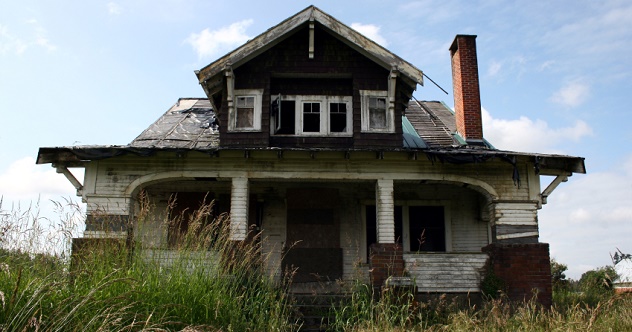
Some houses come with walk-in closets, crown molding, and “great natural light.” Others come with a backstory so unsettling the listing should include sage, a night-light, and a therapist on speed dial. Welcome to the strange world of creepy murder housesreal homes where notorious crimes, public fascination, architecture, and real estate collide.
Before we tiptoe onto the porch, let’s be clear: these homes are tied to real tragedies involving real people. This article avoids graphic details and focuses on the history, the property, the stigma, and the oddly practical question everyone secretly wonders: could someone actually live there?
The answer is often yes. Some infamous crime scene houses are private residences. Others are museums, bed-and-breakfasts, hotels, or historic landmarks. A few have been renovated so thoroughly that the past is tucked behind designer wallpaper and a suspiciously cheerful kitchen island. Still, the reputation remains. In real estate, these are often called stigmatized propertieshomes affected by events that may not damage the structure but can absolutely haunt the buyer’s imagination.
What Makes a Murder House “Livable”?
A murder house is not automatically abandoned, cursed, or priced like a haunted yard sale. Many are structurally beautiful, historically important, and located in desirable neighborhoods. The problem is emotional square footage. Buyers may ask: Will tourists show up? Will the story follow me? Will I ever stop side-eyeing the basement door?
Disclosure rules also vary by state. In some places, sellers may not have to volunteer information about a death or crime unless asked directly. In others, certain facts may need to be disclosed within a specific time frame. So if you are house-hunting and your dream Victorian seems dramatically underpriced, ask questions. Preferably before you sign paperwork and after you have checked whether the attic door locks from the inside.
10 Creepy Murder Houses You Could Live In
1. The Lizzie Borden House Fall River, Massachusetts
The Lizzie Borden House is one of America’s most famous true-crime addresses, tied to the 1892 killings of Andrew and Abby Borden. Lizzie Borden was tried and acquitted, but the story never left the house. Today, the property operates as a museum and bed-and-breakfast, which means brave guests can sleep where history still feels uncomfortably close.
Could you live there? Not in the ordinary “move in with a sectional sofa and a dog named Pickles” sense, but you can stay overnight. The house offers rooms and suites, plus tours that lean into the Victorian atmosphere. For true crime fans, it is basically the Super Bowl with doilies.
Creep factor: Extremely high. The home is preserved for atmosphere, and guests know exactly why they booked it.
Livability rating: Great for one night. Questionable for anyone who needs absolute silence to sleep.
2. Villisca Axe Murder House Villisca, Iowa
The Villisca Axe Murder House is connected to an unsolved 1912 crime that took place inside a modest Iowa home. The property has become a major stop for paranormal investigators, true-crime travelers, and people who believe a vacation should include both history and goosebumps.
Unlike many infamous homes, Villisca openly welcomes overnight guests. Visitors can rent rooms or the whole house for an experiential stay. It is not marketed as a luxury getaway. Nobody is promising spa robes, artisanal granola, or a pillow menu. The main amenity is atmosphere, and the atmosphere has apparently been working overtime.
Creep factor: Off the charts, especially because the case remains unsolved.
Livability rating: Fine for a ghost-hunting weekend. For a long-term lease? You would need nerves of steel and perhaps very cheerful curtains.
3. The Amityville Horror House Amityville, New York
The Amityville house became infamous after the 1974 DeFeo family murders and then exploded into pop culture through books and films about alleged paranormal activity. The haunting claims remain heavily debated, but the house’s reputation is not. Even people who cannot find Amityville on a map know the name.
The property is a private residence and has changed ownership over the years. It has also been renovated, and its famous exterior details were altered to discourage curious visitors. In other words, the house has tried very hard to put on sunglasses and pretend it is not famous.
Creep factor: Legendary, though much of that comes from media and mythology.
Livability rating: Surprisingly livable if you value waterfront charm and do not mind strangers whispering “that’s the house” from the sidewalk.
4. The JonBenét Ramsey House Boulder, Colorado
The Boulder home connected to the 1996 death of JonBenét Ramsey remains one of the most publicly discussed crime-scene properties in the United States. The case is still widely known, and the home has struggled with its reputation despite renovations and a desirable location.
The house has been listed more than once, including a high-profile listing in recent years that was later removed from the market. This is a clear example of how a property can be beautiful, large, and architecturally interesting while still carrying a public memory that makes buyers hesitate.
Creep factor: High, mainly because the case remains deeply familiar to the public.
Livability rating: Physically luxurious, emotionally complicated.
5. The Menendez Mansion Beverly Hills, California
The Beverly Hills mansion tied to the Menendez brothers case is a Mediterranean-style estate with the kind of amenities that normally make buyers swoon: tennis court, pool, guesthouse, grand rooms, manicured grounds. Then comes the backstory, and the room temperature drops by five degrees.
The home sold for a reported $17 million in 2024, proving that even a notorious past does not necessarily destroy luxury real estate value. In Beverly Hills, apparently even a haunted reputation has to compete with location, square footage, and proximity to very expensive salads.
Creep factor: High because the case is still active in public conversation through documentaries, legal updates, and pop culture.
Livability rating: Very livable if you have millions of dollars and a strong ability to ignore tour buses.
6. The Los Feliz Murder Mansion Los Angeles, California
The Los Feliz Murder Mansion is connected to a 1959 tragedy involving Dr. Harold Perelson and his family. For decades, the Spanish-style hillside home fascinated locals because it appeared frozen in time, becoming one of Los Angeles’s most whispered-about properties.
The house has since been sold and renovation plans have been reported, but its legend remains. Part of the appeal is architectural: Los Feliz is filled with character homes, steep streets, and moody old-Hollywood energy. Add a dark past, and suddenly the place feels less like a listing and more like a screenplay waiting for a producer.
Creep factor: High, especially due to its long-abandoned reputation.
Livability rating: Potentially excellent after renovation, assuming you enjoy hillside living and do not mind your home having a nickname.
7. The Clutter Family Farmhouse Holcomb, Kansas
The Clutter family farmhouse became nationally known through Truman Capote’s In Cold Blood, which chronicled the 1959 murders of four members of the Clutter family. The 14-room farmhouse still stands in rural Kansas, making it one of the most famous literary true-crime homes in America.
Unlike some properties on this list, the Clutter home’s atmosphere is less tourist-horror and more quiet prairie weight. Its story is tied not only to a crime but also to American literature, journalism, and debates about how real tragedy becomes public narrative.
Creep factor: Subtle but powerful. The setting is calm, which somehow makes the history feel heavier.
Livability rating: Rural, spacious, and peacefulif you can separate the home from the book that made it famous.
8. The Michael Peterson “Staircase” House Durham, North Carolina
The Durham mansion associated with the death of Kathleen Peterson became widely known through the documentary series The Staircase and later dramatizations. The case brought global attention to a private home that otherwise might simply be admired for its size, wooded lot, and classic Southern character.
The property has been sold since the case and remains a private residence. For buyers, this kind of house creates a modern problem: the internet never forgets. A home can have new owners, new paint, and new landscaping, but streaming platforms can keep the old story alive in everyone’s living room.
Creep factor: Medium to high, depending on how recently someone watched the series.
Livability rating: Comfortable and elegant, provided you are not easily influenced by true-crime documentaries.
9. Mercer-Williams House Savannah, Georgia
Mercer-Williams House is a stunning historic mansion in Savannah’s Monterey Square, known for architecture, antiques, and its connection to the fatal 1981 shooting of Danny Hansford by Jim Williams. The event became famous through Midnight in the Garden of Good and Evil, which turned Savannah into a magnet for readers, film fans, and curious travelers.
The house operates as a museum, so this is more “visit and imagine living there” than “pack your boxes.” Still, it belongs on the list because it shows how a dark event can become part of a property’s public identity without completely overwhelming its architectural importance.
Creep factor: Elegant creepiness. Think antiques, chandeliers, and secrets with excellent posture.
Livability rating: High in fantasy, limited in reality. You can tour it, but do not start measuring for curtains.
10. Villa Casa Casuarina Miami Beach, Florida
Villa Casa Casuarina, better known as the former Versace Mansion, is one of the most photographed homes in the country. Fashion designer Gianni Versace lived there until he was killed on the front steps in 1997. Today, the mansion operates as a luxury boutique hotel, complete with ornate suites, Mediterranean design, and enough glamour to make your suitcase feel underdressed.
This property is unusual because its beauty and celebrity history are just as powerful as its tragic history. Guests do not come only because of the crime. They come for the architecture, the pool, the fashion legacy, and the fantasy of sleeping inside a mansion that looks like it was designed by royalty with a gold-leaf budget.
Creep factor: Moderate. The tragedy is real, but the hotel’s luxury identity is stronger than the haunted-house mood.
Livability rating: Excellent for a hotel stay. Permanent residence may require celebrity-level confidence and a heroic credit card.
Why Do People Want to Live in Creepy Murder Houses?
The fascination is not always about morbid curiosity. Sometimes buyers see a bargain. Sometimes they love historic architecture. Sometimes they believe a house should be judged by plumbing, roof condition, and commute timenot by something that happened decades ago. And sometimes, yes, they are true-crime fans with unusual taste in conversation starters.
There is also a psychological thrill in reclaiming a place. A home with a dark past can be renovated, renamed, repainted, and filled with ordinary life again. Breakfast gets made. Dogs nap in sunbeams. Someone argues about thermostat settings. The house becomes a home, not only a headline.
Still, living in a famous murder house requires boundaries. The biggest issue may not be ghosts. It may be people. Curious tourists, content creators, and late-night thrill seekers can turn a private residence into an unwanted attraction. For current owners, privacy is not optional; it is survival.
Buying a Stigmatized Property: Smart or Spooky?
If you are considering a stigmatized property, do not rely on vibes alone. Ask direct questions. Research local disclosure laws. Talk to a real estate attorney. Check whether the home receives unwanted visitors. Look up insurance, resale history, and neighborhood reaction. A lower price can be tempting, but a bargain is less fun if your driveway becomes a selfie station.
Also consider your own comfort. Some people can live anywhere as long as the kitchen has good counter space. Others hear one pipe knock at midnight and start drafting a moving announcement. Neither response is wrong. Houses are emotional purchases, and murder houses bring extra emotional furniture.
Experiences Related to Living With a Murder House Reputation
Imagine touring a beautiful old home on a sunny Saturday. The porch is charming. The staircase is original. The agent mentions “historic significance” in the same tone people use when describing a leaky dishwasher. You smile. Then you go home, search the address, and suddenly your dream home has a 12-page online discussion thread, three podcast episodes, and someone on Reddit insisting they saw a shadow in the upstairs window.
This is the modern murder house experience. The creepiness does not always come from the house itself. It comes from the digital echo around it. A century ago, a property’s past might fade into local rumor. Today, the internet preserves everything. Even if the home has new floors, new cabinets, and a cheerful yellow front door, search results may keep dragging the past back onto the porch.
For overnight guests at places like the Lizzie Borden House or Villisca, the experience is deliberately atmospheric. You arrive knowing the story. Every creak becomes suspicious. Every draft feels personal. A rational person might say, “That is an old house settling.” A less rational person might say, “The wallpaper just judged me.” Both can be true in the emotional theater of a haunted stay.
Guests often describe a mix of excitement and discomfort. Daytime tours feel educational, almost museum-like. But nighttime changes the mood. The rooms seem quieter. Objects feel more important. You become aware of how old houses sound: radiators tick, floorboards shift, pipes complain like tiny elderly ghosts. Suddenly, your brain turns into a low-budget horror director, adding dramatic music where none exists.
Living in a private murder house would be different. The first weeks might feel strange, but daily life has a way of sanding down fear. Groceries need unpacking. Laundry piles up. Wi-Fi routers require restarting. Nothing defeats gothic dread quite like searching for a missing phone charger while wearing pajama pants.
The challenge is not only internal fear. It is outside attention. Owners of infamous homes may deal with strangers taking photos, slowing down in cars, knocking on doors, or treating the property like public entertainment. That is where fascination becomes disrespect. A house may be famous, but it is still someone’s home. The people living there deserve privacy, peace, and the right to eat cereal in their kitchen without becoming part of a true-crime pilgrimage.
Some owners respond by renovating heavily. They change layouts, repaint exteriors, replace recognizable windows, or alter landscaping. This is not just design; it is reputation management. A home that looks different may attract less attention and feel more like a fresh start. In extreme cases, notorious properties are demolished entirely, but that is not always necessary. Sometimes a home simply needs time, care, and new memories.
There is something oddly hopeful about that. A murder house is a place where something terrible happened, but it is not only that event forever. Houses are containers for human life, and human life is messy, ordinary, funny, boring, and resilient. A notorious home can become a bed-and-breakfast, a museum, a hotel, or a quiet private residence where someone grows tomatoes and argues about where to put the recycling bins.
Would everyone want to live in one? Absolutely not. Some people prefer their dream home with zero footnotes. But for others, a creepy murder house is a historic property with a complicated story. It asks a strange question: can a place be more than the worst thing that happened there? Real estate says yes. Ghost hunters say maybe. Your nervous system says please install brighter hallway lighting.
Conclusion
Creepy murder houses sit at the intersection of architecture, tragedy, curiosity, and market value. Some become tourist destinations. Some remain private homes. Some struggle to sell, while others attract buyers who see beyond the headline. The lesson is simple: a house can be beautiful and unsettling at the same time.
If you ever tour a home with a notorious past, bring practical questions along with your goosebumps. Ask about disclosure, privacy, resale value, renovations, and neighborhood impact. Then ask yourself the most important question of all: could you sleep there when the floor creaks at 2:17 a.m.?
If the answer is yes, congratulations. You may have the personality required for historic homeownership, paranormal tourism, or at least a very interesting dinner party story.
Note: This article is based on publicly documented information about well-known properties and avoids graphic crime details out of respect for victims, residents, and readers.

