
Skincare
7 Tips for Driving in Winter
Jun
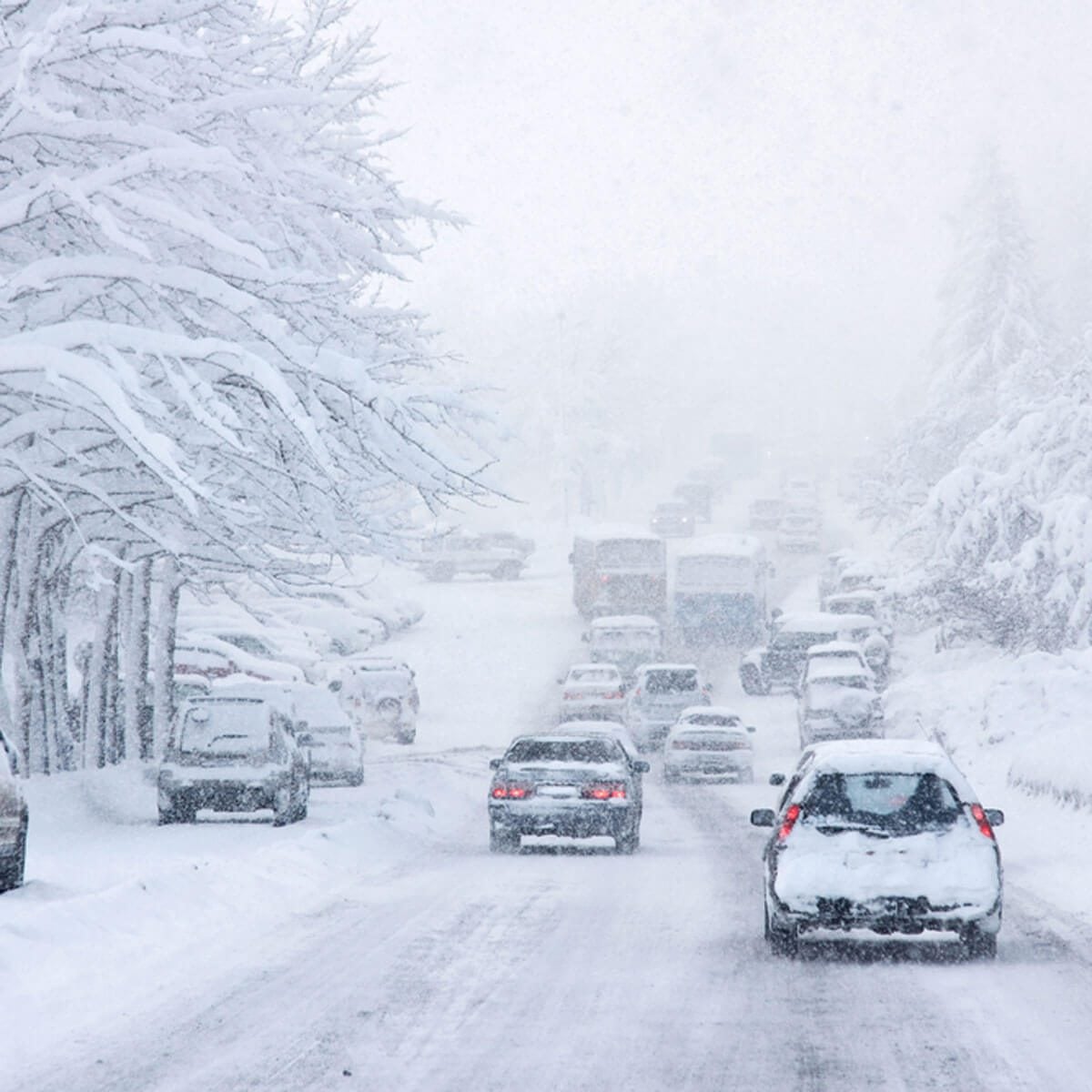
Winter driving has a special talent for making a perfectly normal commute feel like an audition for an action movie. One minute you are listening to a podcast and thinking about coffee; the next, your windshield is full of snowflakes, your tires are whispering nervous little secrets, and every bridge looks suspiciously shiny.
The good news is that safe winter driving is not about having superhero reflexes or owning the biggest vehicle in the parking lot. It is about preparation, patience, and accepting one mildly inconvenient truth: snow and ice do not care how late you are. These winter driving tips can help you handle snowy roads, black ice, freezing rain, low visibility, and the occasional surprise encounter with a snowplow.
Use these seven practical tips to make your winter road trips safer, calmer, and far less dramatic.
1. Decide Whether the Trip Is Really Necessary
The safest winter driving move often happens before you touch the steering wheel: choosing not to drive when conditions are truly nasty. A snowstorm, ice storm, snow squall, or freezing-rain event can turn a familiar road into a low-traction guessing game in minutes.
Before heading out, check the weather forecast, road-condition reports, traffic alerts, and any local travel advisories. Pay particular attention to the timing. A route that looks harmless at 8:00 a.m. may become much worse after sunset, when wet pavement refreezes and visibility drops.
Build extra time into every winter trip
Winter is not the season for a “leave at the last possible second” lifestyle. Give yourself extra time so you do not feel pressured to speed, tailgate, or make rushed lane changes. Ten extra minutes may feel annoyingly responsible, but it is still better than becoming the main character in a roadside incident report.
Tell someone your route and expected arrival time when traveling farther from home. This is especially useful on rural roads, mountain routes, or areas where cell service may be unreliable. A quick text saying, “Taking Route 12, should arrive around 6:30,” can be more useful than it seems.
2. Prepare Your Vehicle Before Winter Weather Arrives
A safe winter drive begins with a car that is ready for winter. Cold weather is hard on batteries, tires, wiper blades, fluids, and human optimism. A vehicle that felt fine during a sunny fall afternoon can reveal all kinds of hidden complaints when temperatures dip below freezing.
Check your tires carefully
Your tires are the only parts of your vehicle touching the road, which makes them the least glamorous and most important members of the team. Check tire pressure regularly, because colder temperatures can reduce it. Also inspect tread depth and look for cracks, bulges, punctures, or uneven wear.
All-season tires can work in light winter conditions, but dedicated winter tires generally offer better grip in deep snow and on icy roads. If you travel through mountain passes or regions with chain controls, carry traction devices that fit your vehicle and know how they work before the weather turns ugly. Learning to install chains during a storm is like learning to knit during an earthquake: technically possible, but not ideal.
Do not ignore the basics
Have your battery tested if it is aging or has shown signs of weakness. Make sure your brakes, heater, defroster, headlights, taillights, windshield wipers, and windshield washer fluid are working properly. Use washer fluid designed for freezing temperatures, not plain water that may turn your reservoir into a tiny ice sculpture.
Keep your fuel tank at least half full during winter. It gives you more flexibility if traffic slows, roads close, or you need to change routes. For electric vehicles, plan charging stops conservatively and remember that cold weather can affect range.
3. Clear Your Car Completely and Make Yourself Visible
Driving with a tiny melted peephole in the windshield is not winter preparedness. It is a poor life choice wearing a scarf. Before leaving, clear snow and ice from the windshield, side windows, mirrors, headlights, taillights, hood, roof, and backup camera.
Snow left on the roof can slide down onto your windshield during braking. It can also blow onto vehicles behind you, which is a quick way to make new enemies without even speaking to anyone.
Use lights the smart way
Turn on your headlights in snow, sleet, rain, fog, and low-light conditions. Low beams are generally better than high beams in heavy snow or fog because high beams can reflect glare back toward you. Your goal is not to create a dramatic light show. Your goal is to see and be seen.
Keep your windows defogged and your windshield clean inside and out. A hazy windshield can hide pedestrians, brake lights, lane markings, and the exact moment a driver in front of you realizes they should have left home ten minutes earlier.
4. Slow Down and Use Gentle Inputs
The most valuable winter driving skill is smoothness. On snow and ice, abrupt acceleration, sudden braking, and sharp steering can make a vehicle lose traction faster than you can say, “That was not in the plan.”
Accelerate gradually. Brake early and gently. Turn the steering wheel smoothly. Think of every control input as if you are carrying a full cup of coffee with no lid. The more delicate your movements, the more likely you are to keep the vehicle stable.
Leave a much larger following distance
Stopping distances can become much longer on slippery roads. Leave far more space than you normally would between your vehicle and the one ahead. A generous gap gives you time to brake gradually instead of reacting with panic when traffic slows.
Do not assume the posted speed limit is automatically safe. Speed limits are designed for normal conditions, not for a road covered in packed snow, slush, or invisible ice. Drive at a speed that matches visibility, traction, traffic, and your own comfort level.
And please resist the urge to tailgate a snowplow. Snowplows can create clouds of snow that reduce visibility, and they may turn or change position unexpectedly while clearing lanes. Give them room to work. They are not blocking your trip; they are trying to make your trip possible.
5. Watch for Black Ice, Bridges, Ramps, and Shady Spots
Black ice is one of winter’s sneakiest road hazards because it often looks like wet pavement. It can form when moisture freezes into a thin, hard-to-see layer, especially during early morning hours, overnight temperature drops, or periods of thawing and refreezing.
Be especially cautious on bridges, overpasses, highway ramps, shaded roads, and lightly traveled streets. These surfaces can freeze before other parts of the roadway because they cool faster or receive less sunlight.
What to do when the road suddenly feels slick
If your vehicle begins to lose traction, avoid jerking the steering wheel or slamming on the brakes. Ease off the accelerator, keep your eyes focused where you want the vehicle to travel, and steer gently. Sudden panic movements can make a slide worse.
If you are driving a vehicle equipped with anti-lock brakes, use firm, steady pressure when braking hard is necessary and allow the system to work. Your owner’s manual is the best source for understanding how your vehicle’s traction control, stability control, and braking systems behave in slippery conditions.
The key idea is simple: give the tires a chance to regain grip. Tires cannot perform miracles, but they do appreciate calm leadership.
6. Do Not Let Four-Wheel Drive Make You Overconfident
All-wheel drive and four-wheel drive can help a vehicle move forward in snow, but they do not magically improve stopping distance on ice. A large SUV, pickup truck, crossover, or luxury vehicle can still slide when the road is slick. Physics remains stubbornly unimpressed by expensive badges.
Use the features your vehicle offers, but do not rely on them to replace careful driving. Stability control, traction control, anti-lock brakes, all-wheel drive, and driver-assistance systems can support you, yet they have limits in snow, ice, fog, slush, and poor visibility.
Turn off cruise control on slippery roads
Cruise control is helpful on dry highways when conditions are predictable. Winter roads are not predictable. If tires lose traction, cruise control may keep trying to maintain speed when you need to slow down and regain control. Keep your foot in charge when roads are snowy, icy, wet, or slushy.
Also make sure sensors and cameras are clear of snow, ice, and road grime. Parking sensors, forward-collision systems, lane-assist cameras, and backup cameras may not work normally when they are covered or when visibility is poor.
7. Carry a Winter Emergency Kit and Know What to Do If You Get Stuck
A winter emergency kit is not pessimistic. It is simply your way of telling future-you, “I am rooting for you.” Keep useful supplies in your vehicle throughout the season, especially if you drive long distances or travel through areas where storms can develop quickly.
What to pack in a winter car emergency kit
- Ice scraper and snow brush
- Warm blankets, gloves, hats, and extra clothing
- Flashlight and extra batteries
- Cell phone charger or power bank
- Jumper cables or a portable jump starter
- Small shovel
- Sand, cat litter, or traction mats
- Nonperishable snacks and bottled water
- First-aid supplies
- Reflective triangles or emergency flares, where appropriate
If you become stuck in snow, first make sure the exhaust pipe is clear before running the engine. A blocked tailpipe can allow dangerous exhaust gases to build up around the vehicle. Clear snow from around the tires, create a path in the direction you need to travel, and use sand or traction material under the drive wheels if available.
If conditions are severe and it is unsafe to walk for help, staying with the vehicle is often the safer option because it provides shelter and makes you easier for rescuers to locate. Call for help, use hazard lights when appropriate, conserve phone battery, and keep warm with layers and blankets.
Winter Driving Is Mostly About Respecting the Conditions
The best winter drivers are not necessarily the fastest, bravest, or most experienced-looking people on the road. They are the ones who adjust. They leave earlier. They slow down. They keep space around the vehicle. They know that a dry-looking road can be icy, that a confident SUV can still slide, and that there is no award for arriving exactly on time during a blizzard.
Winter driving becomes less stressful when you treat each trip as a small plan instead of a routine. Prepare your vehicle, watch the forecast, stay alert, and use patience as generously as windshield washer fluid. Your destination will still be there when you arrive safely.
Real-World Winter Driving Experiences: Lessons You Remember
Most people do not truly understand winter driving until they have one moment that makes their stomach briefly relocate to their throat. It might be the first time the steering wheel feels oddly light on an icy curve. It might be the first time a driver taps the brake pedal and realizes the car has other ideas. Or it might be watching a perfectly ordinary sedan glide sideways through an intersection with the grace of a refrigerator on roller skates.
One common winter driving experience happens in the morning, when roads look merely wet. A driver leaves home after a light overnight thaw, sees no snow falling, and assumes the commute will be normal. Then they reach a bridge, a ramp, or a shaded corner where the pavement has frozen. The tires lose grip for a second or two, and suddenly every safety tip they have ever heard becomes very interesting. That moment teaches an important lesson: road conditions can change block by block.
Another lesson comes from following too closely. On dry pavement, a few car lengths may feel comfortable. On snow-covered roads, that same distance can disappear in an instant when traffic slows. Drivers who have experienced a near-miss in winter often remember the quiet panic of seeing brake lights ahead and realizing there is not enough room to stop gently. The fix is simple but powerful: create space before you need it.
Many drivers also learn that four-wheel drive can create false confidence. A vehicle may climb a snowy hill beautifully, which can make the driver feel invincible. Later, when it is time to stop at the bottom of that hill, the tires discover that extra driving traction does not cancel out slippery physics. The road has the final vote, and it is not easily impressed by horsepower.
Then there is the experience of getting stuck in a parking lot, driveway, or unplowed side street. At first, people often spin the tires harder, hoping determination alone will solve the problem. Usually, it only creates polished ice beneath the tires. Drivers who have been through this learn to pause, clear snow around the wheels, use traction material, and make small, controlled movements instead of flooring the accelerator like they are launching a rocket.
Winter driving also teaches the value of an emergency kit. A blanket, gloves, portable charger, ice scraper, snack, and small shovel may seem unnecessary until the day traffic stops for hours behind a crash or road closure. In that moment, the person with warm clothing, water, and a charged phone feels much calmer than the person wearing thin sneakers and carrying one melting granola bar.
Perhaps the biggest lesson is emotional. Winter roads reward calm drivers. The safest people behind the wheel are not trying to prove anything. They are willing to drive slower, let impatient drivers pass, postpone a trip, or pull over safely when visibility gets too poor. That is not weakness. That is skill.
Every winter drive is a reminder that getting somewhere safely matters more than getting there quickly. Plan ahead, respect the conditions, and let the snowstorm keep its drama to itself.
Note: This article is general educational information, not a substitute for local weather alerts, road-condition reports, vehicle manufacturer instructions, or emergency guidance. The safety principles in this guide were synthesized from winter-driving recommendations published by U.S. organizations including NHTSA, the National Weather Service, Ready.gov, FEMA, AAA, Consumer Reports, CDC/NIOSH, MnDOT, PennDOT, New York DMV, Washington State Patrol, and Caltrans.

