
Skincare
Tile & Countertop: Ann Sacks Profile Tiles
Jun
Some tiles whisper. Some tiles politely introduce themselves. And then there are Ann Sacks Profile Tiles, the kind of glass tile that walks into a kitchen, catches the afternoon light, and suddenly makes your toaster look underdressed.
In the world of tile and countertop design, Ann Sacks has long been associated with curated luxury, thoughtful materials, and surfaces that feel less like construction products and more like design decisions with excellent posture. The Profile collection, originally known for its handcrafted glass character, luminous finish, and dimensional texture, sits comfortably in that universe. It is not the cheapest backsplash option, and it does not pretend to be. Instead, it appeals to homeowners, designers, remodelers, and countertop obsessives who want a surface with depth, movement, and a little dramabut not the kind that requires a group text.
This guide explores what makes Ann Sacks Profile Tiles worth discussing, where they work best, how they relate to countertops, what to consider before installation, and how to style them without turning your kitchen into a disco ball wearing a marble hat.
What Are Ann Sacks Profile Tiles?
Ann Sacks Profile Tiles are best known as handcrafted glass tiles with a luminous surface, rich color options, and a tactile quality that makes walls feel layered rather than flat. Earlier product descriptions identify Profile as a glass tile collection manufactured exclusively for Ann Sacks by Oceanside Glasstile, with silica sand as a key material and many colors containing recycled content.
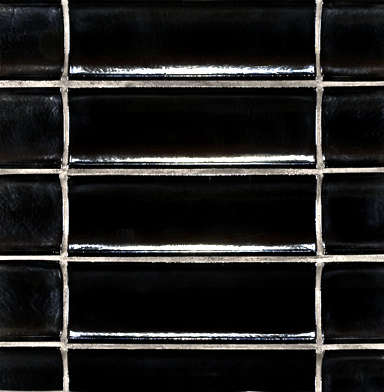
The collection has been associated with colors ranging from warm earth tones and soothing blues and greens to metallic finishes and vibrant statement shades. One of the most memorable examples is the Profile Bamboo format, a slim dimensional tile once shown in the deep, moody Night Sky colorway. The tile’s appeal comes from the way glass handles light: it reflects, refracts, and changes throughout the day. In the morning, it may look crisp and bright. At dinner, under pendant lighting, it can become moodier and more jewel-like. Basically, it has better lighting instincts than most of us on video calls.
Why Profile Tiles Matter in Tile and Countertop Design
Backsplashes and countertops are not separate design islands. They are roommates. Sometimes they get along beautifully; sometimes one of them starts shouting. A countertop usually provides the broad visual plane: stone veining, quartz movement, butcher block warmth, or concrete minimalism. Tile provides rhythm, texture, color, and scale.
Ann Sacks Profile Tiles are especially useful when a countertop needs a design partner with personality. A simple white quartz counter can feel more custom when paired with a luminous glass backsplash. A dark soapstone or honed granite surface can look richer against a blue-green or metallic glass tile. A marble countertop with dramatic veining may need a quieter Profile color so the two materials do not compete like siblings at a talent show.
The key is balance. Profile Tiles add texture and reflectivity, so they work best when the countertop either complements that movement or calmly anchors it.
Design Strengths of Ann Sacks Profile Tiles
1. Light Play and Visual Depth
The biggest reason designers love glass tile is its relationship with light. Profile Tiles can make a small kitchen feel brighter, a bathroom feel more spa-like, or a bar backsplash feel polished and intentional. Unlike flat paint or plain ceramic tile, glass creates subtle shifts in tone depending on daylight, fixture temperature, and surrounding materials.
This makes Profile especially attractive for rooms that need energy but not clutter. You can choose one strong color and let the tile’s surface do the storytelling.
2. A Handcrafted Look
Perfectly uniform surfaces have their place, but many modern interiors now lean toward materials with soul: handmade ceramics, natural stone, textured plaster, and glass tile with variation. Profile Tiles fit that direction because their surface texture and dimensional qualities give walls a crafted appearance.
That handcrafted look can soften sleek cabinets, stainless appliances, and engineered countertops. It is the design equivalent of adding a linen shirt to a very serious outfit.
3. Strong Color Potential
Profile’s historical palette included calm blues and greens, warm neutrals, dramatic metallics, and bolder hues. That range makes it useful for several styles. In a coastal kitchen, pale aqua or sea-glass tones can feel breezy without becoming theme-park nautical. In a modern powder room, a dark glossy tile can create a jewel-box effect. In a transitional kitchen, warm neutral glass tile can quietly elevate the backsplash while still letting cabinets and counters lead.
4. Compatibility With Luxury Surfaces
Ann Sacks is not just a tile name; the brand is also associated with stone, slabs, artisan ceramics, designer collaborations, and high-end residential and commercial surfaces. That broader design ecosystem matters because Profile Tiles naturally belong in projects where the countertop, flooring, wall tile, and hardware are being considered as a complete composition.
In other words, this is not “grab whatever tile is on sale and hope for emotional closure.” It is a more intentional surface strategy.
Best Places to Use Ann Sacks Profile Tiles
Kitchen Backsplashes
The kitchen backsplash is the most obvious home for Profile Tiles. Glass tile resists staining, is generally easy to wipe clean, and brings light to a hardworking zone. Behind a range, around open shelving, or across a full wall, Profile can turn a practical surface into the visual centerpiece of the room.
For a restrained look, pair a soft glass tile with slab countertops in quartz, quartzite, marble, or porcelain. For more drama, use a dark Profile color with pale counters and simple cabinet fronts. If your countertop has heavy veining, choose a calmer tile tone. If your countertop is quiet, the tile can be louder. Only one surface should be allowed to bring a megaphone.
Bathroom Walls and Shower Features
Glass tile can be beautiful in bathrooms because it reflects light and pairs well with water-inspired palettes. Profile Tiles can work as a vanity backsplash, shower accent wall, niche detail, or full-height wall treatment. Blues, greens, and soft neutrals are especially effective in bathrooms because they create a clean, fresh mood without feeling cold.
For shower installations, always confirm the exact tile’s recommended use, finish suitability, and installation method. Not every decorative finish is right for every wet or floor application.
Bar Areas and Butler’s Pantries
A bar backsplash is a perfect place to take a design risk. The area is smaller than a kitchen wall, so a richer color or metallic finish can feel exciting rather than overwhelming. Pair Profile Tiles with a stone counter, brass hardware, walnut cabinetry, or glass-front uppers for a polished entertaining zone.
This is also where moody colors shine. A deep blue, charcoal, bronze, or green glass tile can make a compact bar area feel custom, layered, and slightly glamorousin a “yes, I know where the good glasses are” way.
Fireplace Surrounds and Feature Walls
Depending on the specific product rating and heat requirements, glass tile can be considered for vertical feature areas such as fireplace surrounds or decorative walls. The reflective quality adds movement, while the slim tile format can emphasize height or width. Always check technical specifications before placing any tile near heat, because design bravery should not include ignoring physics.
How to Pair Profile Tiles With Countertops
With Marble Countertops
Marble already brings movement, veining, and natural variation. If you pair marble with Profile Tiles, choose a tile that supports the stone rather than fighting it. Soft white, pale gray, misty blue, or muted green glass can work beautifully with Carrara, Calacatta, or other light marbles. For dramatic marbles like Calacatta Viola or richly veined stone, a simple glass tile color is usually the smarter choice.
With Quartz Countertops
Quartz is often consistent and durable, which makes it a good partner for expressive tile. A plain white quartz counter gives Profile Tiles room to show their texture and glow. A warmer quartz with beige or taupe undertones pairs well with earth-toned glass tile. The result can feel clean but not sterile.
With Quartzite Countertops
Quartzite has natural beauty and a reputation for durability, making it popular in elevated kitchens. Because quartzite often includes subtle movement, Profile Tiles should be chosen carefully. Pull one undertone from the slabgreen, cream, gray, gold, or blueand echo it in the tile.
With Butcher Block or Wood Countertops
Wood brings warmth. Glass brings light. Together, they can make a kitchen feel relaxed and refined. A blue-green Profile tile with butcher block can feel coastal; a smoky gray tile with walnut can feel modern; a warm amber or bronze glass tile can lean earthy and inviting.
With Concrete or Stainless Steel Countertops
Concrete and stainless steel can look sleek, industrial, and slightly serious. Profile Tiles can soften that mood. Choose a handcrafted glass tile in a warmer tone or textured finish to keep the room from feeling like a restaurant prep station with excellent credit.
Installation Considerations Before You Commit
Glass tile is beautiful, but it is also honest. It reveals poor installation faster than a toddler reveals family secrets. Because of its reflectivity and translucency, the setting material, grout color, wall preparation, and layout precision matter.
Use an Experienced Tile Installer
For a premium tile like Ann Sacks Profile, professional installation is usually worth it. Glass tile may require specific thinset, careful cutting, and clean coverage behind the tile to avoid shadows or visible trowel marks. Ask whether your installer has worked with glass tile before. If the answer is “glass is just shiny ceramic,” keep interviewing.
Plan the Layout Before Installation
Profile Tiles can emphasize lines, so layout matters. Decide whether the tile will be stacked, staggered, vertical, horizontal, or used in a custom pattern. Dry-lay a section before installation so cuts land neatly around outlets, cabinets, windows, and corners.
Choose Grout Carefully
Grout can make glass tile look seamless or graphic. A matching grout color softens the pattern and lets the tile texture lead. A contrasting grout emphasizes each piece and can make the backsplash look busier. For luminous glass tile, many designers prefer grout that blends rather than shouts.
Confirm Application Ratings
Before using Profile Tiles on floors, shower pans, pools, spas, or exterior areas, confirm the exact product’s technical recommendations. Some glass tiles are suitable for walls only; some may be acceptable for light-duty floors or wet locations depending on finish, texture, and manufacturer guidance.
Cleaning and Maintenance
One advantage of glass tile is that the glass surface itself is nonporous and generally easy to clean. For kitchen backsplashes, a soft cloth and gentle cleaner usually handle splashes, grease, and fingerprints. Avoid abrasive pads, harsh powders, or aggressive chemicals that could scratch the surface or damage specialty finishes.
Grout is the area that needs more attention. Sealing grout, when appropriate, can help reduce staining. Around ranges and sinks, regular wiping prevents buildup. Waiting three months to clean cooking grease is not “patina.” It is a tiny museum of pasta nights.
Style Ideas for Ann Sacks Profile Tiles
The Calm Coastal Kitchen
Use a soft blue-green Profile tile with white oak cabinetry, creamy quartz countertops, and brushed nickel or unlacquered brass hardware. Keep the pattern simple and let the tile create movement. Add woven stools or linen shades for warmth.
The Moody Modern Bar
Choose a dark glass tile in navy, charcoal, or deep green. Pair it with a honed stone counter, walnut cabinetry, and warm metal hardware. Add undercabinet lighting so the tile catches light at night. This is the look for people who own cocktail napkins on purpose.
The Warm Transitional Kitchen
Pair warm neutral Profile Tiles with beige quartzite, painted cabinets, and classic hardware. The glass adds shine, while the neutral tone keeps the kitchen timeless. This approach works well for homeowners who want interest without chasing trends too aggressively.
The Spa-Like Bathroom
Use pale green, mist, aqua, or soft gray Profile Tiles behind a floating vanity or inside a shower niche. Pair with light stone, simple plumbing fixtures, and warm wood accents. The result feels fresh, calm, and polished without becoming too precious.
Pros and Cons of Ann Sacks Profile Tiles
Pros
Profile Tiles offer luminous beauty, handcrafted character, strong color options, and an elevated look that works especially well in kitchens, bathrooms, bars, and feature walls. They can make simple countertops look more custom and bring texture to otherwise flat rooms.
Cons
Premium glass tile can be expensive, and installation must be precise. Glass can chip during cutting if handled poorly, and reflective surfaces may reveal uneven walls or sloppy adhesive work. Some finishes may have specific limitations for floors, wet areas, or exterior use.
The short version: beautiful tile rewards planning. It does not reward panic-ordering at midnight.
Is Ann Sacks Profile Tile Worth It?
Ann Sacks Profile Tiles are worth considering when the backsplash or wall surface is meant to be a design feature rather than a background player. They make the most sense in projects where quality materials, careful installation, and long-term visual impact matter.
They may not be the right choice for every budget or every room. If you need an inexpensive rental refresh, a handmade luxury glass tile is probably overqualified. But if you are designing a kitchen, bathroom, or bar where the tile will be seen every day and expected to carry real style weight, Profile Tiles can be a smart investment.
Personal Experience and Practical Lessons From Working With This Look
Designing around a tile like Ann Sacks Profile is a bit like choosing a lead actor for a movie. You need to know whether the tile is carrying the scene or supporting someone else. In rooms with bold countertops, I have found that glass tile works best when it borrows a quiet undertone from the slab. For example, if a quartzite counter has a soft green vein, a muted green glass tile can make the entire kitchen feel intentional. Nobody has to know you spent an hour holding samples at different angles like a jewel thief casing a museum.
One of the most important lessons is to test tile samples in the actual room. Glass tile changes dramatically depending on light. A color that looks subtle in a showroom may become much brighter under LED lighting. A deep blue that feels elegant online may read nearly black in a kitchen with limited daylight. Always tape samples vertically where they will be installed and observe them in the morning, afternoon, and evening.
Another practical lesson: do not choose grout as an afterthought. Grout can change the entire personality of glass tile. A close color match creates a refined, continuous surface. A contrasting grout turns each tile into a graphic line. Both can work, but they are not the same mood. One says “tailored design.” The other says “I enjoy geometry and possibly espresso.”
Countertop pairing also deserves patience. If the counter has dramatic veining, the tile should usually be calmer. If the counter is plain, the tile can bring the sparkle. When both are loud, the kitchen can start to feel like every surface is auditioning for a reality show. The goal is conversation, not competition.
I also recommend ordering extra material. Premium tile collections can have lead times, batch variation, or availability changes. Having attic stock for future repairs is boring in the moment and heroic later. Future you will be deeply grateful when one tile behind the espresso machine needs replacing and you do not have to hunt the internet like a detective in a renovation thriller.
Finally, installation is not the place to economize blindly. A skilled installer can make glass tile look seamless, crisp, and luxurious. A poor installer can make expensive tile look nervous. Ask about experience with glass tile, cutting methods, substrate preparation, and recommended setting materials. The best tile projects are not just designed well; they are executed well.
Conclusion
Ann Sacks Profile Tiles prove that a backsplash can be more than a wipeable wall behind the stove. With handcrafted glass character, luminous color, and dimensional surface appeal, they can transform kitchens, bathrooms, bars, and feature walls into spaces that feel layered and custom.
The secret is thoughtful pairing. Let the countertop and tile work together. Choose grout intentionally. Respect installation requirements. Test samples in real light. And remember that luxury tile is not just about price; it is about proportion, placement, and the quiet thrill of seeing sunlight hit the wall just right.
When used well, Ann Sacks Profile Tiles do not simply decorate a room. They give it depth, polish, and personality. That is a lot of work for a small rectangle of glassbut clearly, some tiles are overachievers.
Note: Product pricing, availability, colorways, and technical recommendations can change over time. Always confirm current specifications with Ann Sacks, an authorized showroom, or a qualified tile professional before purchasing or installing.

