
Body Care
Beautiful Scrap Wood Projects for Your Home
Jun
Every home has a tiny museum of forgotten materials: a half board behind the garage shelf, a few short 1x2s from “that one weekend project,” maybe a lonely piece of plywood that has been leaning against the wall so long it deserves its own ZIP code. The good news? Scrap wood is not clutter wearing a flannel shirt. It is potential. With a little imagination, leftover lumber can become beautiful home decor, useful storage, handmade gifts, and custom furniture accents that look far more expensive than they are.
Beautiful scrap wood projects for your home are popular for three big reasons: they are affordable, customizable, and satisfying. You can make something that fits your space exactly, match your favorite style, and avoid buying a factory-made item that is somehow both too big and too boring. Whether your taste leans modern farmhouse, cozy cottage, Scandinavian minimalism, rustic cabin, or “I found this board and now I have confidence,” there is a scrap wood project ready for you.
This guide explores practical and stylish DIY wood projects using leftover lumber, reclaimed wood, pallet boards, flooring scraps, trim pieces, and small offcuts. We will cover project ideas, design tips, finishing choices, safety basics, and real-life experience from turning a pile of scraps into home pieces that actually earn compliments.
Why Scrap Wood Projects Are Worth Your Weekend
Scrap wood projects are not only about saving money, though that is certainly part of the charm. A small shelf, tray, sign, or planter made from leftover boards can cost very little compared with store-bought decor. But the bigger value is creative control. You decide the dimensions, finish, hardware, color, and personality. No more settling for a shelf that is almost the right size. Scrap wood says, “Measure me, sand me, give me a purpose.” Very dramatic, very useful.
Working with wood scraps also reduces waste. Instead of sending usable lumber to the trash, you give it a second life. That makes upcycled wood projects ideal for homeowners who want to decorate more thoughtfully. A reclaimed board with nail marks, weathering, or odd grain patterns can become the feature, not the flaw. In fact, those imperfections are often what make handmade decor feel warm and authentic.
Another benefit is skill-building. Small woodworking projects are less intimidating than building a dining table or a wall of cabinets. A beginner can practice measuring, sanding, staining, drilling, gluing, and finishing on a manageable scale. If something goes wrong, the project usually becomes “rustic.” This is one of the great loopholes in DIY history.
Before You Build: Sort, Clean, and Plan Your Scrap Wood
Before choosing a project, sort your scrap wood by size, thickness, species, and condition. Long boards are useful for shelves, benches, picture ledges, and wall racks. Short blocks can become candle holders, risers, bookends, drawer organizers, or decorative houses. Thin trim pieces work beautifully for frames, wall art, and edging. Plywood scraps are excellent for trays, signs, storage boxes, and backing panels.
Inspect each piece carefully. Avoid wood that is moldy, severely split, insect-damaged, or treated with unknown chemicals, especially for indoor projects. Remove old nails, staples, screws, or sharp fragments. If you are using pallet wood or reclaimed lumber, clean it well and be selective. Not every old board is charming; some are just waiting to give you a splinter and a bad attitude.
A smart planning trick is to design around the wood you already have instead of forcing the wood to match a complicated plan. If your scraps are narrow, make a slatted wall panel or a small serving tray. If you have chunky 2×4 offcuts, make risers, plant stands, or bookends. If you have thin plywood, create a geometric art panel or organizer. Let the pile tell you what it wants to bewithin reason. If it whispers “grand piano,” ignore it.
Beautiful Scrap Wood Projects for Every Room
1. Entryway Key Holder and Mini Shelf
An entryway key holder is one of the easiest and most useful small scrap wood projects. Use a short board as the backing, add a narrow ledge on top, and install a few hooks underneath. The ledge can hold sunglasses, mail, a tiny plant, or whatever object you normally lose five minutes before leaving the house.
For a rustic look, keep the wood grain visible and use dark metal hooks. For a cleaner modern style, paint the board matte white, black, sage green, or navy. A key holder works especially well with reclaimed wood because dents and texture make it look intentional. The project is small, practical, and forgivingbasically the golden retriever of woodworking ideas.
2. Floating Shelves From Leftover Boards
Floating shelves are a classic way to turn scrap wood into home decor that feels custom. A single solid board can become a bathroom shelf for towels, a kitchen shelf for mugs, or a living room shelf for framed photos. If your boards are not thick enough, you can laminate pieces together or use a simple bracket system.
The secret to beautiful shelves is proportion. A short shelf looks great above a desk or beside a bed. A longer shelf needs enough visual weight to avoid looking flimsy. Sand the edges smoothly, stain the board to highlight the grain, and choose brackets that match your room style. Black metal reads modern farmhouse, brass feels warm and polished, and hidden brackets create a minimalist look.
3. Scrap Wood Serving Tray
A serving tray made from scrap wood can look like boutique decor with very little material. You can build the base from plywood or joined narrow boards, then add side rails and handles. For a high-end touch, mix wood tones in a striped or geometric pattern. Even small offcuts can become a mosaic-style tray top.
This project is perfect for coffee tables, breakfast in bed, or carrying snacks to the couch like royalty in sweatpants. Finish the tray with a durable clear coat if it will handle cups, crumbs, or the occasional splash. If the tray is decorative only, a soft wax or oil finish can give it a warm, natural glow.
4. Wooden Plant Stand or Pot Riser
Houseplants already make a room feel alive, but a simple scrap wood plant stand gives them height and presence. Use small boards or 2×2 offcuts to create a low riser for a planter. A square platform with short legs works well for beginners, while a mid-century-inspired stand with angled legs adds more style.
Plant stands are great because they use small pieces of lumber and can be customized to fit any pot. Paint the stand to match your decor or stain it for a natural look. If the stand will sit near water, choose a moisture-resistant finish and add felt pads underneath to protect the floor.
5. Rustic Picture Frames
Scrap trim, thin boards, or flooring scraps can become charming picture frames. A mitered frame looks polished, but simple butt joints can also work beautifully, especially for farmhouse or cottage styles. You can leave nail holes visible for character, paint the frame, or lightly distress the edges.
For a gallery wall, create several frames in slightly different sizes but use a similar finish to tie them together. This gives your wall a curated look without the cost of buying matching frames. It also gives you an excuse to finally print the photos living in your phone since 2019.
6. Scrap Wood Wall Art
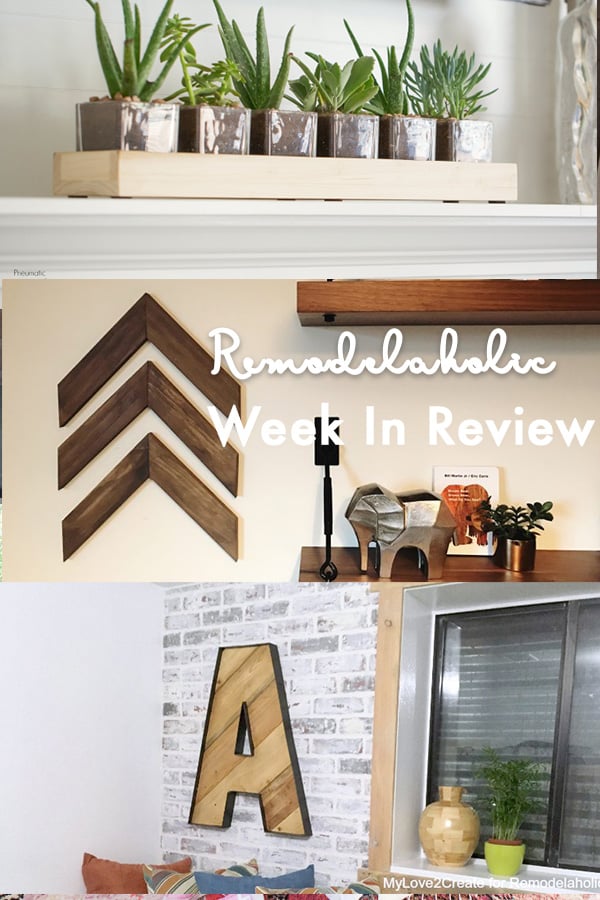
Wall art is one of the best ways to use irregular scraps. Arrange small pieces into a herringbone, chevron, sunburst, mountain silhouette, or abstract pattern on a plywood backing. Mix stains, paint tones, or natural wood colors for depth. The beauty of this project is that it does not need to be perfectly symmetrical to look intentional.
Geometric scrap wood art works well above a sofa, bed, console table, or office desk. For a modern look, use clean lines and limited colors. For rustic home decor, combine weathered wood with warm stain. For a playful family room, paint pieces in soft, cheerful colors. A wall art panel is also a great project for using very small offcuts that are too pretty to toss but too tiny to become anything structural.
7. Wooden Candle Holders and Lanterns
Small wood blocks can become simple candle holders, while narrow boards can form decorative lantern boxes. These projects add texture to mantels, dining tables, bookshelves, and patios. For safety, use battery-operated candles, especially inside wooden lanterns. They give the cozy glow without turning your handmade decor into breaking news.
Try grouping candle holders in three different heights for a designer look. Stain them all the same color for cohesion, or use a mix of natural wood, whitewash, and black paint for contrast. This is a great beginner project because it requires minimal material and offers quick results.
8. Bathroom Towel Rack or Robe Hook Board
A leftover board can become a stylish towel rack with the addition of hooks. This is especially useful in bathrooms where wall space is limited. Use a smooth board for a clean spa-inspired look, or reclaimed wood for a cozy farmhouse feel. Seal the wood properly because bathrooms are humid and wood appreciates protection, even when it pretends to be tough.
You can mount hooks evenly across the board or vary the spacing for towels, robes, and baskets. A small top shelf can hold candles, jars, or extra washcloths. This project adds function and warmth to a room that often has too many hard surfaces.
9. Kitchen Spice Rack or Mug Rail
Kitchen projects are ideal for scrap wood because small storage upgrades make a big daily difference. A narrow board can become a spice shelf. Add a dowel or small front rail to keep jars in place. Another board can become a mug rail with hooks underneath. Mount it near the coffee maker and suddenly your morning routine feels like it has an interior designer.
For kitchens, choose finishes that wipe clean easily. Avoid using unknown reclaimed wood directly with food. If a project will touch food, use clean hardwood and a food-safe finish. For decorative or storage items, standard stain and polyurethane can work well when fully cured according to product directions.
10. Desk Organizer or Charging Station
Scrap wood can tame desk clutter better than another plastic organizer. A simple desktop caddy can hold pens, notebooks, sticky notes, and charging cables. Use small boards to create compartments, or drill shallow holes in a block for pencils and markers. Add a slot for a phone or tablet, and you have a practical charging station that looks warm and handmade.
This project is excellent for home offices, homework corners, craft rooms, and kitchen command centers. It also makes a thoughtful gift because everyone has at least one drawer that looks like a raccoon packed it during a power outage.
11. Wooden Bookends
Bookends can be made from chunky scraps, short 2×4 pieces, or laminated blocks. Keep them simple with a clean L-shape, or add personality with painted edges, carved initials, small decorative knobs, or contrasting wood strips. Heavy hardwood scraps are especially useful because they hold books upright without sliding around.
For a more refined look, sand the corners slightly and apply a satin finish. For a playful kid’s room, paint them in bright colors or animal shapes. For a living room shelf, stain them dark and pair them with brass hardware or felt pads.
12. Scrap Wood Bench or Shoe Rack
If you have longer scraps, a small bench or shoe rack can be a rewarding project. Entryways need hardworking furniture, and a handmade bench adds both seating and storage. A simple design can use a plank-style top with legs made from sturdy offcuts. Add a lower shelf for shoes, baskets, or seasonal gear.
The key is strength. Seating projects need stable construction, good joinery, and solid materials. Beginners should keep the design simple and avoid using weak, cracked, or questionable wood. When in doubt, use the scrap wood for decorative accents and buy appropriate lumber for weight-bearing parts.
How to Make Scrap Wood Look Expensive
The difference between “scraps nailed together” and “custom handmade decor” often comes down to finishing. First, sand properly. Start with a medium grit to remove roughness, then move to a finer grit for a smooth surface. Round over sharp edges slightly; this makes pieces feel more comfortable and professional.
Second, choose a finish that fits the room. Clear polyurethane protects high-use pieces like trays, shelves, and bathroom racks. Stain enhances the grain and can make mismatched boards feel cohesive. Paint hides uneven color and creates a clean modern look. Whitewash softens rustic wood, while dark stain adds drama. Testing the finish on a scrap piece is always wise because stain can surprise you like a plot twist in a hardware store.
Third, pay attention to hardware. Handles, hooks, brackets, knobs, and screws can elevate the entire project. Matte black hardware gives a crisp modern edge. Brass warms up light wood. Aged bronze feels traditional. Matching hardware across a room can make several small DIY wood projects look like part of a thoughtful design plan.
Best Wood Types for Small Scrap Wood Projects
Pine is common, affordable, and easy to work with, making it great for shelves, signs, trays, and decorative projects. Oak and maple scraps are harder and more durable, which makes them useful for bookends, trays, cutting boards, and furniture accents. Cedar works well for planters and outdoor decor because it naturally handles moisture better than many other woods. Plywood is practical for backing panels, box bottoms, wall art, and organizers.
Reclaimed wood adds instant character, but it needs extra inspection and cleaning. Flooring scraps can be turned into cabinet fronts, trays, shelves, or accent panels. Trim scraps are perfect for frames and decorative edging. The best wood is not always the prettiest board in the pile; it is the one that matches the project’s purpose.
Simple Design Rules for Beautiful Results
Scrap wood projects look best when they feel intentional. Use repetition to create rhythm, such as evenly spaced slats on a wall panel or matching shelves in a kitchen. Use contrast carefully: one weathered board against a clean wall can look stunning, but fifteen random finishes in one small piece can look like the wood bin exploded.
Scale matters too. A tiny shelf on a huge wall may look lost, while a large rustic panel in a small hallway may feel heavy. Before mounting anything, hold it in place and step back. Better yet, ask someone else to look. If they say, “Interesting,” that may mean adjust immediately.
Finally, keep function in mind. Beautiful home decor should still work. A tray should be easy to carry. A key rack should be mounted where you actually drop your keys. A plant stand should be stable. A shelf should hold the items you plan to display. Good design is not just pretty; it prevents your favorite mug from making a dramatic leap to the floor.
Experience Section: What I Learned From Making Scrap Wood Projects at Home
The first thing I learned from scrap wood projects is that the wood pile always looks more promising before you measure it. A board that appears long enough for a shelf may turn out to be two inches too short, slightly bowed, and decorated with a mystery stain that has no known origin. This is why planning around available material is so important. Instead of fighting the scraps, I started grouping them by size and asking, “What can these pieces become naturally?” That simple shift made projects easier and less frustrating.
One of the most satisfying projects was a small entryway hook board. It used a weathered piece of wood that looked too rough at first. After removing old fasteners, sanding the surface, and sealing it with a clear finish, the board kept its aged texture but felt clean and finished. With four black hooks added, it became a useful landing spot for keys, hats, and dog leashes. The project took little material, but it changed the entryway immediately. Suddenly the door area looked organized instead of like everyone had entered the house during a mild tornado.
Another favorite was a set of plant risers made from short square scraps. At first, they seemed too plain to matter. But once they were sanded, stained, and placed under small ceramic pots, they added height and warmth to the room. That project taught me that scrap wood does not need to become a complicated build to be valuable. Sometimes a simple riser, ledge, or tray creates just enough visual layering to make a space feel styled.
I also learned that finishing is where the magic happens. Raw scrap wood can look dusty and uneven, but sanding and staining can make it feel intentional. Testing stain on a small piece saved me several times. Some boards absorbed stain beautifully, while others turned blotchy or much darker than expected. Wood conditioner helped on softer woods, and clear coats made high-use pieces easier to clean. The finish should match the project: a decorative sign does not need the same protection as a serving tray or bathroom shelf.
Hardware matters more than beginners expect. The same scrap board can look rustic, modern, or industrial depending on the hooks, handles, brackets, or knobs attached to it. When I upgraded a simple shelf with better brackets, it stopped looking like leftover lumber and started looking like a small custom feature. Good hardware is like a nice pair of shoes for wood. The outfit suddenly makes sense.
Finally, the biggest lesson is to start small. A key holder, candle block, picture ledge, or desk organizer builds confidence without requiring a full workshop. Small scrap wood projects teach accuracy, patience, and problem-solving. They also provide the satisfying feeling of turning “I should throw that away” into “Where did you buy that?” And honestly, that question is half the fun.
Conclusion
Beautiful scrap wood projects for your home prove that style does not have to start at the checkout counter. With leftover lumber, a little patience, and a good eye for proportion, you can create shelves, trays, plant stands, wall art, organizers, frames, and entryway pieces that feel personal and practical. The best projects are not always the most complicated. They are the ones that solve a real problem, fit your space, and make use of wood that might otherwise be forgotten.
Scrap wood is affordable, flexible, and full of character. It encourages creativity because every board is slightly different. One piece may become rustic wall decor, another may become a sleek desk accessory, and another may finally rescue your keys from disappearing into the couch universe. Start with a small project, focus on clean sanding and a thoughtful finish, and let your home slowly fill with handmade details that tell a story.
Note: For any DIY wood project, follow tool manufacturer instructions, wear proper eye protection, work in a well-ventilated area when sanding or finishing, and choose appropriate wood and finishes for the project’s use. Young DIYers should work with a responsible adult, especially around cutting tools, drills, stains, and finishes.

