
Makeup
Custom Driver Board For Paintball Gun
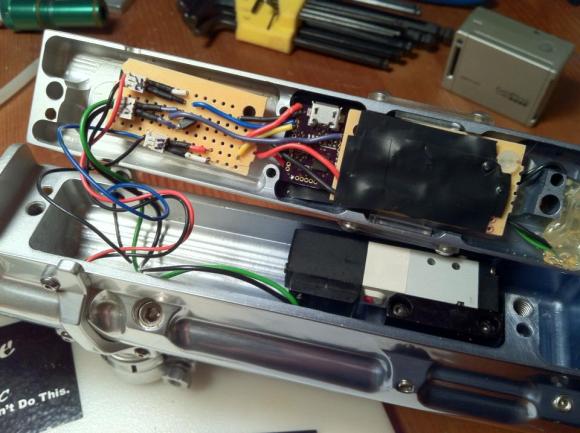
Jun
Note: This article is written for general education, safety awareness, and SEO publishing. It does not provide wiring instructions, firmware steps, bypass methods, or modification procedures. Paintball markers should always be used only at supervised fields, within local laws, and in compliance with manufacturer manuals and field rules.
Introduction: The Tiny Board With a Big Responsibility
A custom driver board for a paintball gun sounds like something cooked up in a secret basement by a player wearing a soldering mask and whispering, “More efficiency, my precious.” In reality, the topic is far less dramaticand much more serious. In an electronic paintball marker, the board is the small control system that helps coordinate trigger input, battery status, eye sensors, safety logic, and firing behavior. It is the marker’s traffic controller, not its “go faster and ignore the rules” button.
That distinction matters. Paintball is fun because it is structured. Fields use chronographs, referees, barrel covers, masks, rate-of-fire limits, and safety zones for a reason. A driver board that creates unpredictable firing, disables safety functions, ignores tournament caps, or makes the marker unreliable is not an upgrade. It is a bad idea wearing a tiny circuit-board hat.
This guide takes a responsible look at what a custom driver board is, why players talk about them, what features matter in a safe and compliant setup, and why professional service and manufacturer-approved parts are usually the smartest path. Think of this as the safety-first, common-sense version of the conversationthe one that does not end with a referee shaking their head at you like a disappointed school principal.
What Is a Custom Driver Board for a Paintball Gun?
A custom driver board is an electronic control board designed to manage certain functions in an electronic paintball marker. Depending on the marker platform, the board may interact with the trigger switch, solenoid, status lights, battery system, breech sensors, and menu settings. In simple terms, it helps decide when the marker is ready, when it should not fire, and how it communicates status to the user.
In factory electronic markers, the original board is engineered to match the marker’s valve system, power requirements, grip frame, sensor layout, and safety features. A custom or aftermarket board may be discussed for reasons such as replacing an obsolete part, restoring an older marker, improving user interface readability, preserving tournament-compliant settings, or supporting easier diagnostics. The key phrase there is tournament-compliant. A responsible board should make the marker safer and more predictable, not sneakier.
The best way to understand a paintball driver board is to compare it to a car’s dashboard and control module. You want clear feedback, reliable behavior, and proper limits. You do not want a dashboard that says “everything is fine” while the engine is practicing jazz improvisation under the hood.
Why Players Consider Custom Boards
Restoring Older Electronic Markers
Many beloved paintball markers from the 2000s and 2010s are still floating around gear bags, closets, and “I swear I’ll fix it someday” bins. Some factory boards become hard to find over time. A custom board may be discussed as a way to keep an older marker functional when original replacement parts are unavailable. For collectors and hobbyists, that can be appealingbut it should still be handled through qualified technicians and within safety standards.
Improving User Feedback
Some players want clearer status indicators, easier battery awareness, or more understandable menu behavior. A board that clearly communicates whether the marker is powered on, in safe mode, detecting paint in the breech, or experiencing a sensor issue can reduce confusion. Confusion is funny when you open the fridge and forget why. It is less funny when holding sports equipment that launches paintballs.
Maintaining Compliance Across Formats
Different fields and tournament formats may set different requirements for firing modes, rate of fire, and marker behavior. A safe control board should support legal, locked, or clearly controlled settings that help the player follow event rules. Any board that encourages hidden modes, runaway firing, or unsafe behavior is the opposite of responsible customization.
Safety Comes Before Performance
Paintball markers are recreational sporting devices, but they still require careful handling. A responsible player treats every marker as if it can fire, keeps a barrel blocking device on outside active play, points the marker in a safe direction, and wears paintball-rated full-face protection whenever required. Those basics do not become optional because a board has a fancy LED or a menu with more colors than a smoothie shop.
Electronic markers also introduce extra safety considerations. A sensitive trigger, low battery, sensor failure, or damaged wiring can affect reliability. Manufacturer manuals commonly emphasize safe direction, proper eye and face protection, battery condition, and the importance of not using a marker that behaves unpredictably. A custom driver board should support those safety principles, not replace them.
Important Features of a Responsible Paintball Driver Board
Reliable Safe Mode Behavior
The board should clearly support safe handling. When a marker is off or in safe mode, the user should have unmistakable feedback. A reliable safe mode is not glamorous, but neither are seatbelts until the day you need one.
Eye Sensor Compatibility
Many electronic markers use breech sensors, often called “eyes,” to detect whether a paintball is properly loaded. The purpose is to reduce chopped paint and prevent firing when the breech is not ready. A responsible driver board should preserve eye-system behavior and provide clear status information when sensors are blocked, dirty, disconnected, or malfunctioning.
Battery Awareness
Low battery power can cause inconsistent electronic behavior. A good board design should make battery status easy to understand. Players should never ignore low-battery warnings, because unreliable electronics can lead to misfires, failure to fire, or confusing behavior during play.
Rule-Compliant Firing Logic
Fields and events often limit firing speed and modes. A responsible board should help players stay inside those rules. It should not encourage hidden settings, unsafe ramping, or uncontrolled firing. If a marker cannot pass inspection, the correct response is adjustment by a qualified person or removal from playnot arguing with the referee like the rulebook personally insulted your ancestors.
Durability and Environmental Protection
Paintball is not exactly a spa day for electronics. Markers encounter moisture, paint residue, vibration, dirt, and enthusiastic dives into bunkers. A board intended for marker use should be protected against normal field conditions and should fit the marker without pinched wires, stressed connectors, or exposed components.
What a Custom Board Should Not Do
A custom driver board should not disable safety systems, bypass field limits, create runaway firing, or hide noncompliant behavior. It should not make the marker difficult for a referee or technician to inspect. It should not turn a recreational sports device into a mystery machine that only works when Mercury is in retrograde.
Players should also avoid untested electronics from unknown sources. A board may look impressive online, but the real test is whether it works safely, predictably, and legally in the specific marker platform. Compatibility is more than “it fits if you push hard enough.” It includes electrical behavior, sensor logic, power draw, physical mounting, and safe interaction with the marker’s mechanical systems.
Custom Board vs. Factory Board: Which Is Better?
For most players, a factory board or manufacturer-approved replacement is the safest and most practical choice. Factory boards are designed around a specific marker and usually come with documentation, support, and known settings. They are also more likely to be accepted by technicians and event staff.
A custom board may make sense in niche cases, especially for restoration projects or specialized service work on older electronic markers. Even then, the smartest approach is to involve an experienced paintball technician, follow the manufacturer’s guidance, and confirm that the marker remains legal for the field or tournament where it will be used.
The bottom line is simple: “custom” should mean carefully matched and responsibly configured, not experimental in a way that surprises everyone standing nearby.
Compliance: The Boring Word That Saves Game Days
Compliance may sound dull, but it is what keeps paintball playable. Fields and tournaments use rules for velocity, firing modes, rate of fire, barrel blocking, and protective gear. These rules protect players, staff, spectators, and the future of the sport. A marker that fails inspection can delay games, create safety risks, or get the player removed from play.
Before using any electronic marker, players should check the rules for the specific field or event. Recreational fields may have different limits from tournament formats. Some events allow electronic markers only under strict caps. Others may separate mechanical and electronic divisions. A responsible player checks first and plays second.
Common Problems Linked to Poor Electronics
Intermittent Power
If a marker turns on and off unexpectedly, the issue may relate to battery condition, contacts, wiring, board damage, or moisture. Continuing to play with intermittent power is not wise. It is better to stop, make the marker safe, and have it inspected.
Sensor Confusion
Dirty or misaligned sensors can cause the marker to misread whether paint is loaded. Good boards communicate sensor status clearly. Bad setups leave users guessing, and guessing is not a maintenance plan.
Unpredictable Trigger Behavior
Electronic triggers can be very sensitive. If the marker fires unexpectedly, fires inconsistently, or behaves differently from pull to pull, it should not be used until checked by a qualified person. “It only does that sometimes” is not a reassuring sentence.
Moisture and Paint Intrusion
Paint, sweat, rain, and cleaning fluids can all affect electronics. Boards should be protected, and players should follow manual-approved cleaning methods. Spraying random cleaner into a grip frame is less “maintenance” and more “science fair disaster.”
Best Practices for Players Considering a Custom Driver Board
First, define the purpose. Is the board intended to replace a broken original part, improve visibility of settings, restore a collector marker, or maintain rule compliance? If the goal is simply to gain an unfair advantage, that is not customization; that is a fast ticket to trouble.
Second, consult a professional paintball technician. Electronic marker systems vary widely, and poor compatibility can damage parts or create unsafe behavior. A technician can help confirm whether a board is appropriate for a specific marker platform and whether the marker remains safe after service.
Third, prioritize documentation. Responsible boards should come with clear safety information, supported settings, compatibility notes, and troubleshooting guidance. If documentation is vague, missing, or written like a pirate translated a toaster manual, proceed cautiously.
Fourth, test only in proper, supervised environments. A marker should be inspected, chronographed, and checked according to field rules before play. Testing should never happen in public spaces, backyards where people or animals may be present, or anywhere unsafe or unlawful.
How Custom Boards Affect the Player Experience
When done responsibly, better electronics can improve confidence. Clear indicators reduce uncertainty. Reliable sensor behavior reduces chopped paint. Stable battery feedback helps players prepare before a match. Legal settings make check-in smoother. In other words, the ideal board makes the player think less about electronics and more about movement, communication, angles, and not getting eliminated while heroically crouched behind a bunker the size of a laundry basket.
For tournament players, predictability is everything. A marker that performs consistently within the rules is more valuable than one with flashy features that cause inspection headaches. For recreational players, safety and simplicity matter even more. Most weekend players do not need exotic electronics; they need a marker that works, stops when it should, and keeps the game fun for everyone.
Maintenance Mindset: Electronics Need Respect
Electronic paintball markers are not difficult to own, but they do reward good habits. Remove batteries for long storage when the manual recommends it. Keep grips and seals in good condition. Avoid forcing connectors. Keep paint and moisture away from electronics. Use the correct protective gear. Check field rules. Listen to referees. The sport is more fun when everyone trusts the equipment around them.
A driver board is not a magic fix for poor maintenance. If the marker has worn seals, incorrect pressure behavior, dirty sensors, damaged wiring, or a weak battery, a new board will not automatically transform it into a championship machine. It may simply give the old problems a new place to hide.
Real-World Example: The Old Marker Revival
Imagine a player finds an older electronic marker in storage. The body is clean, the barrel is intact, and the nostalgia is strong enough to power a small city. The marker turns on inconsistently, and the original board is no longer easy to source. In that situation, the responsible path is not to experiment blindly. The player should make the marker safe, remove air and paint, check the manual, and contact a qualified technician or reputable service shop.
If a replacement board is considered, the key questions are safety and compatibility. Does it preserve sensor function? Does it provide safe mode behavior? Can it be set to comply with field rules? Is it documented? Can a technician verify it? If the answers are unclear, the marker should stay off the field. Sentimental value is wonderful, but it does not outrank safety.
Experiences Related to Custom Driver Boards for Paintball Guns
Players who have spent time around electronic markers often describe the same lesson in different words: the best electronics are the ones you stop noticing. When a board behaves properly, the marker powers up cleanly, communicates status clearly, and passes field checks without drama. The player can focus on the game instead of staring at blinking lights like they are trying to decode a message from space.
One common experience is the “mystery battery problem.” A marker may seem broken, inconsistent, or haunted by tiny gremlins, when the real issue is simply weak power or poor battery contact. Many electronic marker manuals emphasize battery condition because boards, sensors, and trigger systems rely on steady power. Players who learn to check batteries early save themselves a lot of unnecessary panic. It is not glamorous, but neither is realizing you blamed the board when the battery was the real villain.
Another common experience involves dirty or blocked eye sensors. A player may think the board has failed because the marker refuses to behave normally. After inspection, the cause may be paint residue, debris, or a sensor issue. This is why clear board feedback matters. If the status indicator explains what the marker is seeing, the player can stop guessing and start solving the right problem safely.
Experienced players also learn that field compliance is part of equipment ownership. A marker may feel great in the hand, but if it cannot meet the field’s velocity and firing requirements, it is not ready for play. Good players do not treat rule checks as annoying obstacles. They treat them as part of the sport. Everyone wants a fair game, and nobody wants to be the person whose marker causes delays before the first point even starts.
There is also a strong culture of restraint among responsible gear enthusiasts. It is easy to get excited about custom parts, rare boards, upgraded displays, and restoration projects. The smarter hobbyists know that “custom” should never mean careless. They label settings, keep documentation, ask technicians for help, and avoid changes that could make the marker unpredictable. That mindset protects both the player and the community.
For parents or newer players, the takeaway is simple: do not be dazzled by technical language. A safe electronic marker should be understandable, inspectable, and appropriate for the field. If a seller or hobbyist cannot explain whether a board preserves safety features and follows rules, that is a warning sign. Paintball is supposed to create stories about teamwork, sneaky moves, and last-second winsnot stories that begin with, “So the electronics started acting weird…”
Conclusion: Custom Is Good Only When It Is Safe
A custom driver board for a paintball gun can be an interesting topic for restoration, diagnostics, and responsible marker support. It can help revive older equipment, improve user feedback, and support compliant play when handled correctly. But it should never be treated as a shortcut around safety rules, rate limits, eye protection requirements, or field inspections.
The smartest approach is simple: use manufacturer-approved parts when possible, involve qualified technicians, follow field and tournament rules, preserve safety systems, and never use a marker that behaves unpredictably. In paintball, the best upgrade is not always the flashiest board. Sometimes it is the humble decision to keep the game safe, fair, and funpreferably with fewer chopped paintballs and fewer lectures from the referee.

