
Hair Care
Hotaru Double Bubble Pendant
Jun
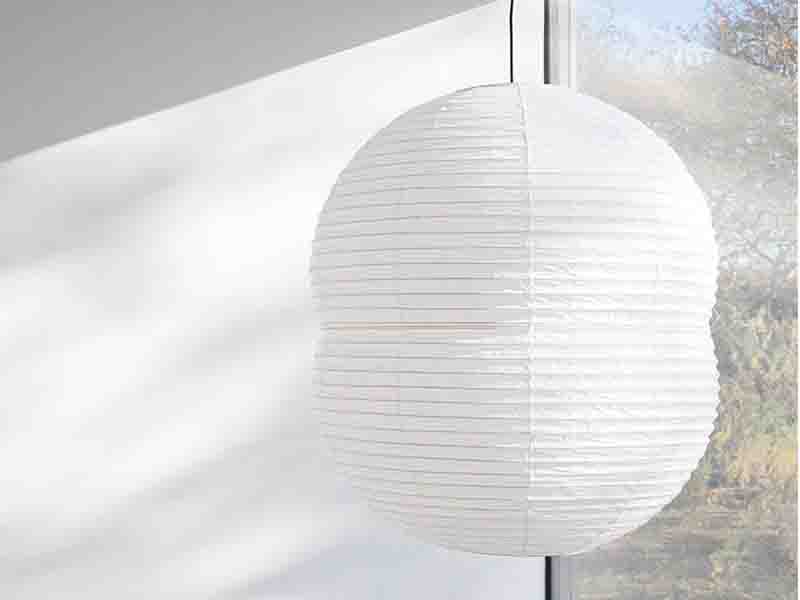
The Hotaru Double Bubble Pendant is what happens when a traditional Japanese paper lantern develops a taste for contemporary sculpture. Designed by British studio Barber Osgerby and handcrafted in Japan, this striking pendant combines two rounded volumes into one softly glowing silhouette. It is simple, dramatic, delicate, and just unusual enough to make an ordinary ceiling feel underdressed.
“`
Unlike a hard metal fixture that throws focused light downward, the Hotaru pendant filters illumination through translucent washi paper. The result is an atmospheric glow that feels warm rather than theatrical. It can anchor a dining area, soften a minimalist living room, or provide sculptural presence in a tall entryway without making the room resemble a lighting showroom.
Its appeal is not limited to appearance. The design connects contemporary interiors with a long history of Japanese lantern making, natural materials, and painstaking handcraft. This is not merely a white shade wrapped around a bulb. It is a carefully balanced object in which material, shape, scale, and light work together.
“`
What Is the Hotaru Double Bubble Pendant?
“`
The Hotaru collection was created by Edward Barber and Jay Osgerby in collaboration with London design retailer twentytwentyone and Japanese lantern manufacturer Ozeki & Co. The collection debuted in 2015 after Edward Barber visited Ozeki’s workshop in central Japan and began discussing how traditional lantern-making techniques might support a new contemporary form.
The name Hotaru means “firefly” in Japanese, an appropriate reference for a fixture that appears light, quiet, and almost weightless when illuminated. The Double Bubble model receives its name from its recognizable profile: two rounded forms are fused vertically, creating a narrow waist between them.
That simple geometric move gives the pendant more personality than a conventional globe. From one angle, it resembles two floating bubbles. From another, it recalls a snowman who has become extremely serious about interior design. The shape remains playful, but its natural paper surface and restrained color keep it sophisticated.
A Collaboration Rooted in Craft
Ozeki has produced Japanese paper lanterns since the late nineteenth century and is also closely associated with the manufacture of Isamu Noguchi’s celebrated Akari light sculptures. This history matters because paper lantern construction depends on knowledge that cannot be replaced by simply buying a roll of paper and feeling optimistic.
The pendant is made by stretching translucent mulberry-bark washi paper over a bamboo framework. The bamboo defines the volume, while the paper forms a glowing skin around it. When the lamp is off, the ribs remain subtly visible. When it is on, those structural lines become part of the visual rhythm.
“`
Why the Materials Make Such a Difference
“`
Mulberry-Bark Washi Paper
Washi is often casually described as rice paper, but that label is usually inaccurate. Traditional washi is commonly made from long plant fibers, including fibers taken from paper mulberry. Those fibers help produce a sheet that can be lightweight, translucent, and surprisingly resilient when handled correctly.
In the Hotaru Double Bubble Pendant, washi does more than hide the lightbulb. It softens bright points of light and distributes illumination across a broad surface. Instead of staring at an exposed bulb, you see the entire shade glowing. This reduces visual harshness and gives the room a calmer atmosphere.
The paper also has a faint texture that prevents the shade from looking sterile. A molded plastic diffuser can be perfectly smooth, but perfection is not always charming. Washi has tiny variations that reveal the human process behind the object. It is refined without appearing mass-produced into submission.
A Flexible Bamboo Framework
Bamboo ribs allow the large shade to remain visually light. A similar form made from solid metal or glass could feel heavy enough to require its own structural engineer and emotional support team. Bamboo creates volume with relatively little material, supporting the paper while preserving the lantern’s airy character.
The combination is especially effective in rooms filled with wood, linen, stone, wool, plaster, or handmade ceramics. Natural materials tend to cooperate rather than compete, and the Hotaru pendant adds texture without introducing another loud finish.
“`
Hotaru Double Bubble Pendant Sizes and Proportions
“`
The pendant is generally offered in two sizes. The smaller version measures approximately 19.7 inches in diameter and 24.4 inches high. The large model is approximately 31.5 inches in diameter and 39 inches high. These are not miniature accent lamps, particularly once the vertical cable and surrounding space are considered.
Choosing the Small Pendant
The small Hotaru Double Bubble works well above a round breakfast table, in a bedroom corner, beside a stair landing, or over a compact dining table. “Small” is relative here. A shade nearly 20 inches wide still has enough visual presence to become a room’s main decorative fixture.
It is usually the safer choice for apartments and rooms with moderate ceiling heights. The smaller shade preserves the Double Bubble silhouette without crowding nearby cabinets, artwork, or tall furniture.
Choosing the Large Pendant
The large version is meant to command attention. Its approximately 31.5-inch width and 39-inch height suit open living spaces, generous dining rooms, vaulted ceilings, hotel lounges, restaurants, galleries, and double-height entryways.
Before choosing it, measure both the room and the route into the room. A large paper lantern may be lightweight, but it still occupies considerable volume. Furniture, door swings, ceiling beams, and enthusiastic ceiling fans should all be included in the planning conversation.
“`
What Kind of Light Does It Produce?
“`
The Hotaru Double Bubble Pendant is best understood as an ambient lighting fixture. The washi enclosure produces a broad, diffused glow rather than a concentrated beam. It makes a room feel welcoming, adds brightness at eye level, and gives surrounding surfaces a softer appearance.
Current European product information commonly recommends a warm 2700K LED, with low wattage appropriate to the selected pendant size. A 2700K bulb produces a warm white tone associated with relaxed residential interiors. It complements wood, warm neutrals, natural fabrics, and most skin tones without making dinner look as though it is being examined in a laboratory.
Bulb specifications may vary by market, wiring kit, and product version. American buyers should confirm the required base, voltage, maximum output, dimmer compatibility, and electrical certification with the authorized seller or a qualified electrician before installation.
Ambient Light Is Not the Same as Task Light
Although the pendant can illuminate a dining surface, it may not provide all the focused light needed for detailed kitchen preparation, reading small print, or performing precision work. A strong lighting plan uses layers. Pair the lantern with recessed lights, wall sconces, floor lamps, under-cabinet lighting, or discreet spotlights as the room requires.
The Hotaru fixture can then perform the job it does best: creating atmosphere while looking magnificent.
“`
Where the Hotaru Double Bubble Pendant Works Best
“`
Above a Dining Table
The dining room is perhaps the pendant’s most natural habitat. Its round, glowing form creates an intimate center above the table and makes the dining zone feel distinct, even in an open-plan layout.
A common starting point is to suspend a dining pendant approximately 30 to 36 inches above the tabletop. However, the ideal position depends on the shade size, ceiling height, table dimensions, and sightlines of seated users. Because the Hotaru shade is vertically substantial, a cardboard or paper template can help test the position before any holes are drilled.
In a Living Room
In a living room, the pendant can replace the expected chandelier with something softer and less formal. It looks especially effective near low-profile furniture, where its generous form balances sofas and coffee tables without adding visual clutter.
The lantern also works well in rooms with tall ceilings that otherwise feel empty overhead. Its pale surface fills space while remaining visually breathable, a useful quality when the goal is drama without bulk.
In a Bedroom
The smaller Double Bubble can make a bedroom feel peaceful and cocoon-like. Warm diffused light is particularly suitable for winding down in the evening. It may be centered over the room or positioned in a corner as a suspended alternative to a floor lamp.
It should not hang where someone can bump it while making the bed, opening a wardrobe, or performing the traditional midnight search for a lost phone charger.
In Hospitality and Commercial Interiors
Restaurants, boutique hotels, reception areas, and creative studios can use the pendant to introduce craftsmanship and recognizable form. A single large lantern can create a focal point, while several fixtures can produce a memorable installation.
Grouping requires restraint. The shades need enough space for their silhouettes to remain readable. A tightly packed cluster may turn two elegant bubbles into what appears to be an illuminated cloud traffic jam.
“`
How to Style a Hotaru Paper Lantern
“`
Keep the Surroundings Quiet
The Hotaru Double Bubble Pendant already has a distinctive outline, so it does not require a room full of competing statement pieces. Let it work against a calm ceiling, simple wall color, or lightly textured plaster. The fixture looks particularly strong when the background is slightly darker than the paper.
Combine It With Warm Natural Materials
Oak, walnut, ash, rattan, linen, boucle, wool, leather, and handmade pottery all complement the lantern’s texture. This combination supports Japanese-inspired, Scandinavian, organic modern, and warm minimalist interiors.
It can also soften industrial spaces. Suspended against concrete, exposed brick, or blackened steel, the paper shade introduces contrast and prevents the room from feeling like a highly organized parking garage.
Use Black Details as Visual Punctuation
The pendant is commonly supplied with dark hardware, including a black ceiling rose, dark lamp holder, and cloth-covered cable. Repeating black elsewhere in the room through chair frames, cabinet pulls, picture frames, or a slim side table can make the installation feel intentional.
“`
Installation and Maintenance Considerations
“`
Confirm Electrical Compatibility
Product configurations differ between countries. Some listings refer to European E27 components and CE approval, while historical American listings may describe different wiring and certification. Never assume that an imported fixture is ready for a U.S. ceiling box simply because the shade looks friendly.
Ask the seller which wiring kit is included and whether the fixture is approved for use in your location. Hardwired installation should be completed by a qualified professional who can confirm voltage, grounding, canopy fit, cord adjustment, and dimmer compatibility.
Protect the Paper Shade
Washi lanterns should be kept away from moisture, steam, open flames, excessive heat, and outdoor exposure. A dry living room is a better home than a humid bathroom or a kitchen corner directly above a boiling stockpot.
For routine cleaning, switch off the fixture and allow the bulb to cool. Use a very soft dry brush, clean microfiber cloth, or gentle air blower to remove dust. Avoid liquid sprays, wet cloths, rough dusters, and enthusiastic scrubbing. Paper remembers bad decisions.
The fixture should also be protected from sharp objects, pets, indoor ball games, and furniture moving. It is more durable than its delicate appearance suggests, but it is still handcrafted paper stretched over bamboo, not defensive equipment.
“`
Advantages and Possible Drawbacks
“`
Why It Stands Out
- It combines Japanese craft techniques with a contemporary sculptural shape.
- The washi shade produces soft, warm, diffused illumination.
- Its neutral materials work with many interior styles.
- Two sizes make it suitable for both residential and larger commercial spaces.
- It remains visually interesting when switched off.
- The lightweight construction creates presence without looking heavy.
What Buyers Should Consider
- The paper surface requires more careful handling than metal or glass.
- It is primarily an ambient light rather than a high-output task fixture.
- The large model needs substantial physical and visual clearance.
- Electrical specifications and certifications must be checked for the intended country.
- Its handcrafted construction generally places it above mass-market lantern pricing.
“`
Is the Hotaru Double Bubble Pendant Worth It?
“`
The answer depends on what you expect from a pendant light. Shoppers seeking maximum brightness for minimum cost can find simpler fixtures. Those looking for a handcrafted object with cultural history, material character, and sculptural impact will understand the Hotaru’s appeal immediately.
It occupies the useful territory between artwork and household fixture. The pendant is expressive but not trendy, distinctive but not visually exhausting. Its form can live comfortably with vintage furniture, modern architecture, quiet luxury, organic interiors, and rooms that refuse to choose one design label.
Most importantly, it changes the emotional quality of light. A bare bulb brightens a room. The Hotaru Double Bubble Pendant makes that brightness feel considered.
“`
The Experience of Living With a Hotaru Double Bubble Pendant
“`
Living with a large paper lantern is different from living with an ordinary ceiling fixture. The Hotaru becomes part of the room’s architecture almost immediately. During the day, it reads as a pale suspended sculpture. Its bamboo ribs create subtle shadows, and the Double Bubble outline remains recognizable even when no electricity is flowing through it.
In the evening, the fixture changes character. The shade no longer appears like a solid object hanging from the ceiling. Light spreads across the paper, softening the structure and making the pendant seem lighter than it did in daylight. The surrounding ceiling and walls receive a gentle wash rather than sharp-edged pools of illumination.
The most noticeable difference is often what the light does not do. It does not create the interrogation-room glare associated with a bright exposed bulb. It does not shout for attention with crystals, colored glass, or polished metal. Instead, it establishes a background mood that makes conversation, dining, and quiet evenings feel more relaxed.
Placement strongly shapes that experience. Hung too high, the pendant may feel detached from the furniture below and lose some of its intimacy. Hung too low, the shade can interrupt sightlines or become an obstacle for taller household members. Testing the intended position with a temporary template is surprisingly useful. A rough paper cylinder is not glamorous, but neither is reinstalling an electrical box because the real fixture appears to be sitting on a dinner guest’s head.
The small model can feel substantial in a compact room without overpowering it. Above a round table, its curved shape creates a pleasing connection with the tabletop. In a bedroom, it adds softness and makes standard white ceilings look more intentional. The large model delivers a more theatrical experience. It works best when the room gives it enough negative space to be seen from several angles.
Owners also become more aware of care and maintenance. Dust is visible on illuminated white paper, particularly when sunlight enters from the side. A quick monthly inspection with a soft brush is easier than allowing a gray layer to establish permanent residency. Cleaning becomes a careful ritual rather than a vigorous household workout.
Bulb choice can transform the experience. A warm LED keeps the washi creamy and inviting, while a cooler bulb can make the paper appear flatter or slightly clinical. A compatible dimmable LED is particularly valuable in dining and living spaces. Brighter settings help during meals or gatherings, while a lower setting allows the pendant to behave more like a glowing sculpture.
The fixture also encourages better lighting habits. Because it excels at ambience rather than intense task lighting, it naturally leads to layered illumination. A nearby reading lamp, a pair of sconces, or discreet recessed lights can handle practical needs while the Hotaru provides visual warmth. The room becomes more flexible because no single fixture is forced to do every job.
There is also a quiet pleasure in knowing that the object was shaped through established craft techniques rather than stamped from anonymous plastic. The slight irregularities of paper and bamboo make the pendant feel human. It does not look unfinished; it looks touched by a process.
Over time, the Hotaru Double Bubble Pendant is likely to become less of a decorative accessory and more of a familiar landmark. It is the light switched on before dinner, the form visible from the hallway, and the warm glow that makes the room feel occupied even on a quiet evening. That is ultimately its strongest quality: it does not merely decorate space. It gives the space a recognizable atmosphere.
“`
Conclusion
“`
The Hotaru Double Bubble Pendant succeeds because it respects tradition without copying the past. Barber Osgerby’s twin-sphere profile gives the Japanese paper lantern a fresh identity, while Ozeki’s washi-and-bamboo construction preserves the warmth, delicacy, and diffused glow that make handcrafted lanterns enduringly appealing.
Whether placed above a dining table, suspended in an open living room, or used as a dramatic focal point in a commercial interior, the pendant brings together sculpture and practical illumination. It requires thoughtful sizing, gentle maintenance, and proper electrical planning, but rewards that care with something most ordinary fixtures cannot provide: a genuine sense of presence.
Editorial note: Dimensions, bulb recommendations, wiring components, prices, inventory, and electrical approvals may vary by seller, country, and production version. Confirm current specifications before ordering or installing the fixture.
“`

