
Body Care
A Stylish Avian Apartment
Jun
There are birdhouses, and then there are avian apartments: tiny architectural statements that say, “Yes, I support local wildlife, but I also have opinions about rooflines.” A stylish avian apartment is more than a cute backyard decoration. Done well, it is a safe, weather-smart, species-appropriate nesting box that gives cavity-nesting birds a better chance to raise young in neighborhoods where old trees, snags, and natural nesting cavities have often disappeared.
The trick is balancing beauty with biology. Birds are not browsing Zillow for exposed beams, Scandinavian minimalism, or a “charming fixer-upper with vintage worm damage.” They are looking for the essentials: the right entrance size, dry floors, airflow, predator protection, nearby food, and a location that does not feel like a raccoon drive-through. Fortunately, you can build or choose a birdhouse that looks good in your garden while still doing its job for the birds.
This guide explores how to create a stylish avian apartment that is attractive to humans, practical for birds, and optimized for a healthier backyard habitat. Think of it as interior design for tenants who pay in cheerful songs and bug control.
What Is a Stylish Avian Apartment?
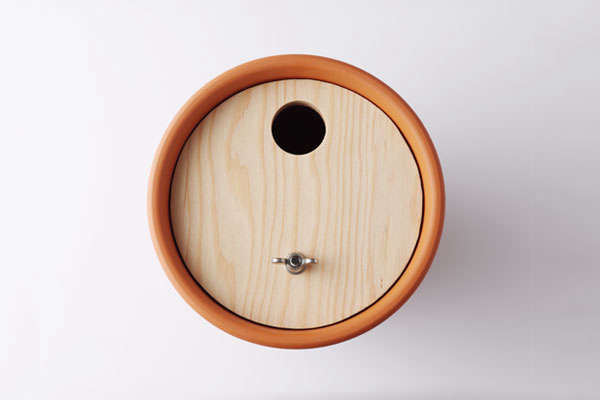
A stylish avian apartment is a thoughtfully designed birdhouse or nest box that combines visual appeal with bird-safe construction. It may look like a miniature modern cabin, a rustic cedar cottage, a farmhouse loft, or a clean-lined backyard sculpture. But under the cute exterior, it follows the same basic rules used by wildlife experts and bird conservation groups: suitable materials, correct dimensions, drainage, ventilation, access for cleaning, and safe placement.
The word “apartment” sounds fun, but most backyard birds are not actually looking for multi-unit housing. Many cavity-nesting birds are territorial during breeding season, so crowding several small boxes together can lead to conflict. The exception is species such as purple martins, which naturally nest in colonies and use specialized multi-compartment houses. For bluebirds, chickadees, wrens, nuthatches, and similar backyard visitors, one well-placed nest box is usually better than a flashy bird condo with drama on every balcony.
Start With the Right Bird, Not the Right Paint Color
The first rule of birdhouse design is simple: design for the bird you actually have in your area. Not every bird uses a birdhouse. Cardinals, robins, blue jays, hummingbirds, and many finches usually prefer shrubs, tree branches, ledges, or open cup nests. Enclosed nest boxes mainly serve cavity-nesting birds, including bluebirds, chickadees, titmice, wrens, tree swallows, nuthatches, and some woodpeckers.
Before buying or building your avian apartment, spend a week watching your yard. What birds are already visiting? Are there open grassy areas nearby, mature trees, shrubs, or woodland edges? A bluebird box belongs in a more open space, while chickadees and nuthatches may feel more at home near trees. A wren box can work in a garden edge, but wrens may become bossy little landlords, so avoid placing boxes too close together.
The Bird-Safe Design Checklist
Use Untreated Wood
Untreated cedar, pine, cypress, or similar wood is a reliable choice for birdhouses. Wood breathes better than metal or plastic and provides insulation against heat and cold. Avoid pressure-treated lumber, creosote-treated wood, and strong chemical finishes inside the box. Birds are tiny, eggs are delicate, and nobody wants the nursery smelling like a hardware store aisle.
Build Thick Enough Walls
A safe nest box should have walls thick enough to help regulate temperature. Wood around three-quarters of an inch thick is commonly recommended because it provides insulation without making the box unnecessarily heavy. Thin decorative birdhouses may look adorable on a shelf, but outdoors they can become too hot, too cold, or too flimsy for real nesting.
Add Ventilation Near the Roof
Birdhouses need airflow. Ventilation holes near the upper side walls help hot air escape during warm weather. This matters because a birdhouse sitting in direct sun can turn into a feathered sauna, and baby birds are not known for their spa-day enthusiasm.
Include Drainage in the Floor
Rain happens. So do enthusiastic bird baths, sideways storms, and the occasional mysterious drip. A good avian apartment should include small drainage holes or clipped floor corners so water can escape. Dry nesting material helps reduce mold, bacteria, and chilling.
Choose the Correct Entrance Hole
The entrance hole is not just a doorway; it is a security system. If the opening is too large, predators and aggressive non-native birds may gain access. If it is too small, the intended bird cannot enter. Many small songbird boxes use entrance holes around 1 1/8 to 1 1/2 inches depending on the species, while larger birds need different dimensions. Always match the entrance size to your target bird.
Skip the Perch
Decorative perches are common on store-bought birdhouses, but birds do not need them. Predators and unwanted competitors, however, find them very convenient. A perch is basically a welcome mat for trouble. For a functional nest box, leave it off.
Add a Clean-Out Door
A hinged side panel, roof, or front door makes seasonal cleaning much easier. After the nesting season ends and the young have fledged, old nesting material should be removed. A clean box reduces pests and prepares the space for future use. Stylish design is wonderful, but if you need a crowbar and a prayer to clean it, the design needs work.
Placement: Location, Location, Location
Birds are picky renters, and placement can make or break your avian apartment. Mounting a birdhouse on a post is often safer than attaching it to a tree, because raccoons, snakes, squirrels, and cats can climb trees easily. A smooth metal pole with a predator baffle can make access much harder for nest raiders.
Height depends on the species, but many backyard songbird boxes are placed several feet above the ground. The box should be stable, not swinging wildly in the wind like a theme park ride. Face the entrance away from prevailing winds and intense afternoon sun whenever possible. In many yards, an east or southeast orientation works well because it catches gentle morning light without baking the box later in the day.
Spacing also matters. If you install multiple birdhouses, place them far enough apart to respect territorial behavior. Some extension guidance recommends spacing songbird boxes hundreds of feet apart when possible. In a small yard, that may mean choosing one excellent box rather than creating a crowded bird apartment complex with very thin walls and very loud neighbors.
Design Ideas That Look Good and Still Work
The Modern Cedar Studio
A modern cedar birdhouse with a sloped roof, clean edges, and natural finish can look elegant without confusing the birds. Cedar ages beautifully outdoors, resists decay, and pairs well with contemporary landscapes. Keep the shape simple, use the right entrance hole, and let the grain do the decorating.
The Farmhouse Nest Box
If your garden leans cottage, farmhouse, or vintage, a whitewashed exterior with a natural roof can look charming. Use exterior-safe paint only on the outside, never inside the nesting chamber. Choose muted colors that blend with the garden rather than bright neon shades. Birds do not need their home to scream “party barn.”
The Tiny A-Frame Cabin
An A-frame birdhouse can be stylish and practical if the interior dimensions are correct. Make sure the roof overhangs the entrance enough to reduce rain exposure. Add ventilation under the roofline and drainage at the bottom. This design is especially attractive in woodland gardens, where it looks like a little vacation cabin for extremely small hikers.
The Green Roof Look
A succulent or moss-inspired roof can be beautiful, especially in dry climates, but proceed carefully. Living roofs can trap moisture, add weight, and encourage mold if the design is not well ventilated. If you want the look without the risk, consider placing drought-tolerant plants nearby instead of directly on the nest box.
Make the Whole Yard Bird-Friendly
A stylish avian apartment works best when the surrounding yard supports birds, too. A nest box alone is like a luxury apartment built in the middle of a parking lot. Birds need food, water, cover, and safety.
Native plants are one of the best upgrades you can make. Native trees, shrubs, grasses, and flowers support the insects many birds feed their young. They also provide seeds, berries, nectar, shelter, and nesting materials. Even a small native plant bed or a few containers can improve the habitat value of a balcony, patio, or suburban yard.
Add a shallow water source if you can maintain it. Birdbaths should be cleaned regularly and kept shallow enough for small birds. A few stones can provide safe footing. Moving water, such as a small dripper or bubbler, may attract more birds, but cleanliness is more important than fancy fountain drama.
Avoid pesticides whenever possible. Insects are not merely garden villains with tiny mustaches; they are baby bird food. During nesting season, many birds rely heavily on caterpillars and other soft-bodied insects to feed their chicks. Reducing chemical use helps maintain that natural food chain.
Predator Protection: The Unsexy Feature That Matters Most
No one dreams of installing a predator baffle when imagining a stylish backyard. Yet predator protection is one of the most important parts of a successful birdhouse setup. Raccoons, snakes, squirrels, cats, and larger birds may raid nests if they can reach them.
A metal pole with a properly installed baffle can help. A predator guard around the entrance hole can prevent chewing and reduce access. Avoid placing birdhouses near fences, dense climbing routes, or low branches that act like predator highways. Also keep pet cats indoors or in enclosed outdoor catios. Cats are skilled hunters, and nesting birds are especially vulnerable.
Cleaning and Maintenance
At the end of nesting season, open the clean-out panel and remove old nesting material. Wear gloves, use a small brush, and avoid harsh chemicals. Hot water and a good scrub are usually enough for routine cleaning. Let the box dry completely before closing it.
Inspect the roof, screws, mounting post, entrance hole, and drainage holes at least once a year. Replace split boards, tighten loose hardware, and make sure the box remains secure. A birdhouse that wobbles dramatically in the wind may look adventurous, but most birds prefer real estate that does not behave like a carnival ride.
Common Mistakes to Avoid
The most common mistake is buying a decorative birdhouse that is not actually safe for birds. Many novelty birdhouses have no ventilation, no drainage, no clean-out access, and an entrance hole that is either too large or purely ornamental. These are fine as indoor decor, but they should not be marketed as serious nesting sites.
Another mistake is stuffing the inside with nesting material. Birds usually prefer to build their own nests. You can leave natural materials in the yard, such as small twigs, dry grasses, and leaves, but avoid synthetic threads, dryer lint, plastic strips, and anything that can tangle around feet or nestlings.
Finally, do not panic if birds do not move in immediately. It can take a season or two for birds to discover and trust a new box. If the house is well designed and placed in suitable habitat, patience is part of the process. Bird real estate moves at bird speed, which is somehow both frantic and slow.
Experience Notes: What Building a Stylish Avian Apartment Teaches You
Creating a stylish avian apartment is one of those small home projects that begins with a simple idea and quietly changes the way you see your yard. At first, you may think you are building a cute birdhouse. Then you start noticing which birds land on the fence, which shrubs are busy with insects, which corner gets morning sun, and which neighborhood cat behaves like it owns the entire block. Suddenly, the backyard is no longer just “outside.” It is a living floor plan.
The first lesson is humility. Humans love decorating. Birds love function. You may spend twenty minutes debating whether the roof should be charcoal, walnut, or “weathered barn cloud,” while the bird is evaluating airflow, safety, and whether the entrance hole feels like a trap. The best projects happen when you let bird needs lead the design and let style support those needs. A clean cedar box with thoughtful proportions can look better than a glittery mansion that no sensible chickadee would enter.
The second lesson is that placement feels like strategy. Moving a nest box just a few feet can change how protected it feels. A spot near shrubs may offer quick cover, but too much nearby climbing access can help predators. Full sun may make the box visible and attractive to you, but afternoon heat can be dangerous. A post with a baffle may not sound glamorous, yet it often becomes the difference between a decorative object and a useful nesting site.
The third lesson is patience. Many people expect birds to move in the way guests arrive after a party invitation. In reality, birds inspect, compare, reject, return, and occasionally act as if your beautiful new box does not exist. This is normal. A quiet, well-maintained birdhouse in a bird-friendly yard becomes more appealing over time, especially as native plants mature and insects, seeds, and shelter increase.
The fourth lesson is that maintenance becomes part of the relationship. Cleaning the box after nesting season is not glamorous, but it feels surprisingly satisfying. You see the old nest, the tiny materials woven together, and the evidence that your little structure served a real purpose. That moment can turn a weekend DIY project into a yearly ritual.
Finally, a stylish avian apartment reminds you that good design is generous. It improves the look of your garden, yes, but it also offers shelter, supports biodiversity, and invites daily observation. Morning coffee tastes better when a wren is yelling from the fence like a feathered opera singer with a mortgage. A birdhouse is small, but when it is built with care, it becomes part of a much larger home: the shared habitat outside your door.
Conclusion
A stylish avian apartment should be beautiful enough for your garden and practical enough for its feathered residents. The best birdhouse is not the flashiest one; it is the one that matches local species, uses safe materials, includes ventilation and drainage, opens for cleaning, avoids perches, and sits in a protected location with nearby food, water, and cover.
When design and ecology work together, a birdhouse becomes more than outdoor decor. It becomes a small act of habitat repair, a backyard conversation piece, and possibly the cutest apartment you will never be allowed to enter.
Note: This article synthesizes practical guidance from reputable U.S. ornithology, wildlife, university extension, conservation, garden, and design resources. Source links are intentionally not inserted into the article body as requested.

