
Beauty Unlocked
Trench Foot: Symptoms, Causes, Treatment
Jun
Note: This article is for educational purposes only. Trench foot can become serious, especially when pain, swelling, blisters, skin color changes, or signs of infection appear. Anyone who suspects trench foot should seek medical care promptly.
What Is Trench Foot?
Trench foot, also called immersion foot or a non-freezing cold injury, is a foot condition caused by long exposure to wet, cold, and often uncomfortable conditions. The name sounds like something from a history textbook, and yes, it became famous during World War I, when soldiers stood for long periods in muddy trenches. Unfortunately, trench foot did not retire with old helmets and sepia photographs. It still shows up today among hikers, outdoor workers, flood cleanup crews, festival-goers, military personnel, people experiencing homelessness, and anyone whose feet stay wet for too long.
The key point is this: trench foot does not require freezing temperatures. Unlike frostbite, which happens when tissue freezes, trench foot develops when moisture and cold work together to restrict circulation. Wet feet lose heat much faster than dry feet, and the body responds by narrowing blood vessels to preserve warmth. That survival trick is useful for the core of the body, but it can leave the feet under-supplied with oxygen and nutrients. Over time, skin, nerves, small blood vessels, and soft tissue may become damaged.
Think of your feet like loyal employees working the night shift. They can handle a lot, but if you trap them in cold, soggy socks for hours, deny them airflow, and make them keep walking, they may file a complaint in the form of numbness, swelling, burning pain, blisters, and skin breakdown. That complaint deserves attention.
Trench Foot Symptoms: What It Looks and Feels Like
Trench foot symptoms can begin subtly. At first, the feet may simply feel cold, heavy, tingly, or oddly numb. Many people ignore those early warning signs because wet feet are common during rainstorms, long hikes, outdoor work, or flood cleanup. The problem is that trench foot can progress from “annoying” to “medical issue” faster than most people expect.
Early Symptoms
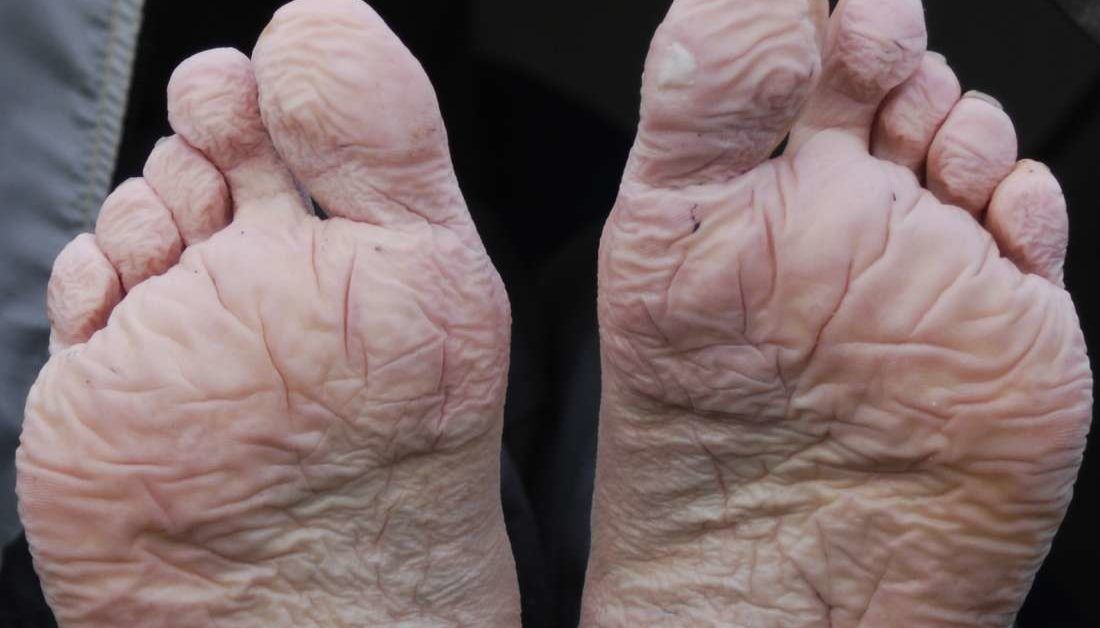
Early signs of trench foot may include cold feet, numbness, tingling, itching, prickling, heaviness, or a strange wooden feeling when walking. The skin may look pale, grayish, blotchy, or red. Some people notice swelling around the toes, soles, or ankles. Others feel as if their socks are too tight even after removing them.
Progressing Symptoms
As trench foot worsens, pain often appears when the feet begin to warm. This can feel like burning, stabbing, throbbing, or pins and needles. The skin may become red, swollen, shiny, or extremely sensitive to touch. Blisters can form. The feet may sweat heavily or become unusually sensitive to temperature changes. Even a bedsheet brushing against the toes may feel rude, dramatic, and personally offensive.
Severe Symptoms
Severe trench foot may cause open sores, skin peeling, ulcers, foul odor, blue or dark discoloration, worsening swelling, or signs of infection. Warning signs include pus, increasing redness, warmth spreading up the foot, fever, chills, red streaks, severe pain, or skin turning black. These symptoms require urgent medical care because untreated trench foot can lead to cellulitis, tissue death, gangrene, sepsis, or, in rare extreme cases, amputation.
What Causes Trench Foot?
The main cause of trench foot is prolonged exposure to wet conditions, especially when temperatures are cool or cold. It can happen in cold rain, muddy campsites, wet boots, soaked socks, flooded buildings, snowmelt, standing water, or sweaty footwear that never gets a chance to dry. The condition is strongly linked to moisture, restricted blood flow, and time.
Cold and Wet Conditions
When feet stay wet, they lose heat quickly. The body tries to prevent heat loss by reducing blood flow to the feet. Reduced circulation means less oxygen reaches the tissues. If this continues, nerves and soft tissues become irritated or damaged. The longer the exposure, the greater the risk.
Tight Footwear
Tight boots or shoes can make the situation worse by limiting circulation and trapping moisture. Footwear that does not breathe well may turn socks into tiny swamp habitats. Waterproof boots can help in some situations, but if water gets inside and cannot escape, they can become portable foot aquariums.
Poor Foot Hygiene and Skin Breakdown
Dirty or unsanitary conditions increase the risk of infection once the skin softens or cracks. Moist skin becomes fragile. After enough time, it can macerate, peel, blister, or open. Bacteria and fungi love warm, wet, damaged skin, which is why trench foot can become complicated by infections.
Who Is Most at Risk?
People at higher risk include military personnel, hikers, campers, hunters, fishermen, farm workers, construction workers, disaster response teams, outdoor athletes, people working in cold storage or wet environments, and people without reliable access to dry socks and shelter. Medical conditions that affect circulation, nerve function, or healingsuch as diabetes, peripheral artery disease, or immune system problemsmay raise the risk of complications.
How Long Does Trench Foot Take to Develop?
Trench foot can develop after many hours of wet exposure, and in some cases symptoms may begin within half a day. Risk increases when feet are constantly wet, cold, compressed, or unable to dry. The exact timeline depends on temperature, moisture, footwear, activity level, circulation, overall health, and whether the person can change socks or rest.
A common mistake is assuming that trench foot only happens in freezing weather. It can occur above freezing when the feet remain wet long enough. Cool temperatures, soaked socks, and poor circulation are the classic troublemaking trio. Add tight boots and a long walk, and your feet may start writing a resignation letter.
Trench Foot vs. Frostbite vs. Athlete’s Foot
Trench foot is often confused with other foot problems, but the differences matter.
Trench Foot vs. Frostbite
Frostbite happens when skin and deeper tissues freeze. Trench foot is a non-freezing injury. The feet are damaged by cold and moisture, not by frozen tissue. Both can cause numbness, pain, color changes, and serious complications, but their treatment details differ. Rapid or aggressive rewarming may worsen pain and swelling in trench foot, so gentle warming is preferred.
Trench Foot vs. Athlete’s Foot
Athlete’s foot is a contagious fungal infection that commonly causes itching, peeling, cracking, burning, and scaling between the toes or on the soles. Trench foot is caused by environmental exposure, not by a fungus. However, trench foot can damage the skin and create conditions where fungal or bacterial infections may develop. In other words, athlete’s foot is the fungus; trench foot is the soggy disaster that may invite extra guests.
Trench Foot vs. Chilblains
Chilblains are inflammatory skin reactions caused by cold, damp exposure, often producing itchy or painful red-purple bumps. Trench foot usually involves longer wet exposure and can affect nerves, circulation, and deeper soft tissue. If symptoms are severe, spreading, blistering, or not improving, a healthcare provider should evaluate the feet.
How Trench Foot Is Diagnosed
Trench foot is usually diagnosed through a medical history and physical examination. A healthcare provider will ask about recent exposure to wet or cold conditions, how long the feet were wet, what footwear was worn, and when symptoms began. They will examine skin color, temperature, swelling, sensation, pulses, blisters, wounds, and signs of infection.
Additional tests are not always needed for mild cases, but they may be used if infection, poor circulation, nerve injury, or deeper tissue damage is suspected. Blood tests, wound cultures, imaging, or vascular evaluation may be considered in complicated cases. People with diabetes, immune problems, severe pain, open wounds, or darkened skin should not try to “wait it out” at home.
Trench Foot Treatment: What to Do First
The first step in treating trench foot is to stop the exposure. Remove wet shoes and socks as soon as possible. Clean and gently dry the feet. Keep them warm, dry, and elevated. Avoid walking on affected feet when possible because pressure can worsen tissue damage.
1. Remove Wet Footwear
Take off wet socks and shoes immediately. If the skin is fragile, blistered, or stuck to fabric, do not yank aggressively. Gentle removal matters. If the material is stuck to damaged skin, seek medical help.
2. Clean and Dry the Feet
Wash the feet gently with clean water if available, then pat dry. Do not scrub hard. Skin affected by trench foot may be delicate, and scrubbing can create breaks where infection can enter.
3. Warm Slowly and Gently
Use gentle rewarming. Do not use direct heat such as a fire, heating pad, hot stove, radiator, or very hot water. Numb skin may not sense heat properly, and burns can happen before the person realizes it. Warm water or warm packs may be used cautiously, but the goal is gradual comfort, not turning the feet into soup.
4. Elevate and Rest
Elevating the feet can help reduce swelling. Rest also protects damaged tissue. If walking is unavoidable, keep it minimal until a healthcare professional gives guidance.
5. Manage Pain Safely
Over-the-counter pain relievers may help some people, but they are not right for everyone. People with kidney disease, stomach ulcers, blood thinner use, allergies, pregnancy, or other medical conditions should ask a healthcare provider before taking medications. Severe burning or nerve pain may require prescription treatment.
6. Seek Medical Care
Medical evaluation is important if symptoms are moderate to severe, if there are blisters or open wounds, if the person has diabetes or circulation problems, or if pain and swelling do not improve. Antibiotics may be needed if a bacterial infection develops. Wound care may be necessary for ulcers or broken skin. Severe cases require close monitoring to prevent long-term damage.
What Not to Do With Trench Foot
Some well-meaning “home fixes” can make trench foot worse. Do not massage the feet aggressively. Do not rub snow on the skin. Do not place the feet next to a campfire or heater. Do not pop blisters. Do not keep walking for miles because “it builds character.” Character is great; preventable tissue damage is not.
Also avoid putting the same wet socks and shoes back on after drying the feet. That is like showering and then rolling in a puddle for nostalgia. Use clean, dry socks and dry footwear whenever possible.
How Long Does Recovery Take?
Recovery depends on severity. Mild cases may improve after the feet are dried, warmed, elevated, and protected. More significant cases can take days or weeks. Some people experience lingering sensitivity, sweating changes, numbness, tingling, or cold intolerance for weeks or longer. Severe non-freezing cold injuries may cause chronic nerve pain or long-term circulation problems.
The best recovery strategy is early action. The sooner wet exposure stops and proper care begins, the lower the risk of blisters, infection, and lasting damage.
How to Prevent Trench Foot
Prevention is beautifully simple in theory and occasionally annoying in real life: keep feet clean, warm, and dry. When conditions are wet, prevention requires planning.
Wear the Right Socks
Choose moisture-wicking socks when hiking, working outdoors, or spending long periods in boots. Wool or synthetic blends often perform better than cotton in wet conditions because cotton holds moisture. Pack extra socks in a waterproof bag. Changing socks can feel like a tiny luxury hotel experience for your feet.
Rotate Footwear
If possible, rotate between pairs of shoes or boots so one pair can dry. Remove insoles to speed drying. Avoid sleeping in wet socks. Give feet air time during breaks.
Check Feet Daily
During wet work, camping, military training, disaster cleanup, or long events, inspect feet at least once daily. Look for redness, swelling, pale skin, blisters, numbness, cracks, or unusual pain. Early symptoms are easier to fix than advanced injury.
Improve Fit and Circulation
Wear footwear that fits properly. Boots should protect from water without squeezing the toes or cutting off circulation. Move toes periodically, stay active when safe, and avoid prolonged immobility in wet footwear.
Plan for Floods and Storms
After hurricanes, floods, or heavy storms, people may stand in water for cleanup or rescue work. Waterproof boots, dry sock changes, foot inspections, and scheduled breaks are not luxuries. They are basic safety tools.
When to See a Doctor
Seek medical attention right away if you suspect trench foot, especially if symptoms include severe pain, spreading redness, blisters, open sores, pus, fever, chills, dark or black skin, worsening swelling, loss of feeling, or trouble walking. People with diabetes, poor circulation, neuropathy, immune suppression, or a history of foot ulcers should be extra cautious.
Trench foot is usually treatable when caught early, but it should be respected. Feet are not decorative accessories. They are transportation, balance, and daily independence wrapped in socks. Treat them accordingly.
Real-World Experiences and Practical Lessons About Trench Foot
Trench foot often appears in situations where people are focused on a bigger problem. During flood cleanup, the priority may be saving belongings, clearing debris, or helping neighbors. During a hike, the goal may be reaching camp before dark. At an outdoor concert, the mission may be surviving the mud and locating the world’s most overpriced lemonade. In all these situations, wet feet can seem minor until they are not.
One common experience involves hikers who step into water early in the day and keep going. At first, the socks feel unpleasant but manageable. A few hours later, the toes feel cold and numb. By evening, the skin is pale and wrinkled, and walking feels strange. When the boots finally come off, the feet begin to burn as they warm. The lesson is clear: wet socks should be treated like a warning light, not background music. Stop, dry the feet, change socks, and reassess.
Outdoor workers report a different pattern. Someone may spend a cold, rainy shift in boots that are technically waterproof but already damp inside from sweat. Because the person is working hard, the feet may not feel dangerously cold. Later, after the shift ends, swelling and tingling become obvious. This shows why trench foot is not only about puddles. Sweat trapped in non-breathable footwear can also create the wet environment that causes trouble.
Flood response creates another high-risk scenario. People may stand in contaminated water for hours, then continue working because the job feels urgent. In these conditions, trench foot risk combines with infection risk. The practical lesson is to schedule foot-care breaks just like water breaks. Remove boots, dry skin, change socks, inspect for cuts, and clean any wounds. A five-minute foot check can prevent a week of regret.
Another experience comes from festivals, sports events, and camping trips. People sometimes pack rain jackets but forget extra socks. They may spend an entire weekend in wet shoes, laughing it off because everyone is muddy. Then the feet become swollen, sore, and hypersensitive. The simple fix is preparation: pack multiple socks, a dry bag, blister supplies, and footwear that can recover from rain.
The biggest takeaway from these experiences is that trench foot prevention is not glamorous, but it works. Dry socks, foot checks, properly fitted boots, rest breaks, and early treatment are boring in the best possible way. Boring prevention beats dramatic medical treatment every time. Your feet do not need applause. They need dryness, circulation, warmth, and the occasional moment outside a swampy sock prison.
Conclusion
Trench foot is a preventable and treatable condition caused by prolonged exposure to wet, cold conditions. It can begin with numbness, tingling, heaviness, swelling, or color changes, then progress to burning pain, blisters, skin breakdown, infection, and long-term sensitivity if ignored. The most important steps are simple: remove wet footwear, clean and dry the feet, warm them gently, elevate, rest, avoid direct heat, and seek medical care when symptoms are significant or worsening.
Although the name sounds old-fashioned, trench foot is still relevant today. Hikers, workers, flood cleanup volunteers, campers, military personnel, and anyone stuck in wet shoes for too long can develop it. The good news is that early action makes a major difference. Keep your feet dry, change socks often, inspect your skin, and never underestimate the power of a clean, dry pair of socks. In the battle between your feet and moisture, socks are the tiny heroes wearing capes made of wool.
SEO Tags

