
Body Care
8 Best Mattresses for Hip Pain
Jun
Hip pain has a special talent: it waits until you finally get comfortable, then taps you on the pelvis like a tiny, rude landlord collecting rent. Whether your discomfort comes from side sleeping, arthritis, bursitis, sciatica, pregnancy, an old sports injury, or a mattress that has turned into a hammock with fabric, the right bed can make a huge difference in how rested you feel in the morning.
The best mattresses for hip pain are not always the softest mattresses. That is the first plot twist. A too-soft bed may let your hips sink too far, twisting your spine like a pretzel. A too-firm mattress may press into your hip bones and shoulders like you are sleeping on a polite but unforgiving sidewalk. The sweet spot is usually a pressure-relieving mattress with enough support to keep your spine aligned and enough cushioning to cradle the hips.
After synthesizing current U.S. mattress testing, medical sleep guidance, product specifications, and real-world buyer patterns, this guide highlights eight strong options for different sleep styles, body types, budgets, and comfort preferences. Think of it as mattress matchmaking, but with fewer awkward first dates and more lumbar support.
Quick Comparison: Best Mattresses for Hip Pain
| Mattress | Best For | Type | Feel |
|---|---|---|---|
| Helix Midnight Luxe | Best overall for side sleepers | Hybrid | Medium to medium-firm |
| Saatva Rx | Best luxury mattress for chronic joint discomfort | Luxury hybrid | Supportive plush / medium-firm |
| Nectar Premier Memory Foam | Best memory foam mattress for hip pressure relief | All-foam | Medium-firm with deep contouring |
| WinkBed | Best firmness options | Hybrid | Softer, Luxury Firm, Firmer, Plus |
| Bear Elite Hybrid | Best cooling hybrid for active sleepers | Hybrid | Soft, medium, or firm |
| Nolah Evolution 15 | Best plush hybrid for side sleepers | Hybrid | Plush, luxury firm, or firm |
| Brooklyn Bedding Aurora Luxe Cooling | Best cooling mattress for hip pain | Hybrid | Soft, medium, or firm |
| Purple RestorePlus Hybrid | Best responsive mattress for combination sleepers | Gel grid hybrid | Medium-soft to medium |
What Makes a Mattress Good for Hip Pain?
A good mattress for hip pain should do three things at once: cushion the hip joint, support the lower back, and keep your body from collapsing into a strange sleep sculpture. The main keyword here is pressure relief. Side sleepers place more body weight on the shoulders and hips, so the mattress must distribute weight evenly instead of letting pressure build in one painful spot.
For many people, a medium-firm mattress works best because it offers a “Goldilocks” balance: not too hard, not too squishy, and not likely to make you question your life choices at 3:17 a.m. However, body weight and sleep position matter. Lightweight side sleepers may prefer a softer surface. Higher-weight sleepers often need firmer support so the hips do not dip too deeply. Back sleepers typically benefit from even support under the lower back and pelvis. Stomach sleepers usually need a firmer mattress, although stomach sleeping can aggravate hip and lower-back discomfort for some people.
Materials matter, too. Memory foam can be excellent for contouring and pressure relief, latex offers a buoyant “floating” feel, and hybrid mattresses combine foam or latex comfort layers with coils for stronger support and airflow. Zoned support is another useful feature because it gives different areas of the body different levels of pushback. In plain English: your hips get cushion, your lower back gets support, and your spine gets a chance to behave.
8 Best Mattresses for Hip Pain
1. Helix Midnight Luxe: Best Overall Mattress for Hip Pain
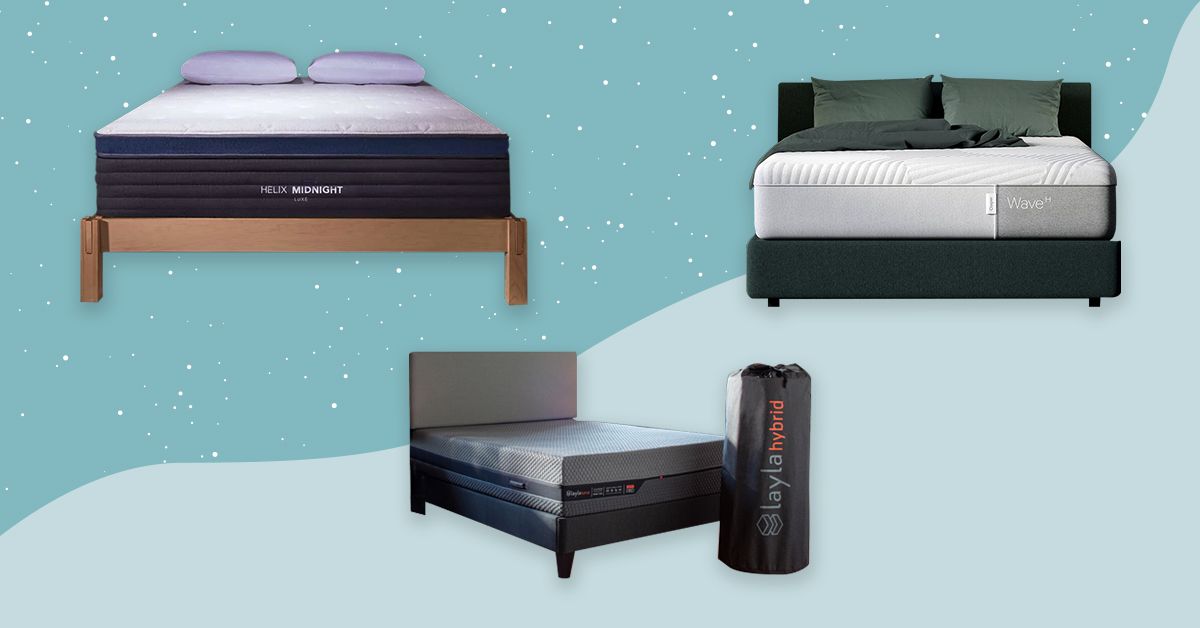
The Helix Midnight Luxe is one of the most widely recommended mattresses for side sleepers, and that is exactly why it earns the top spot here. Hip pain and side sleeping often travel together like an annoying buddy comedy, and the Midnight Luxe handles that combination well with a plush pillow top, memory foam comfort layers, and zoned coil support.
Its medium to medium-firm feel is especially friendly for people who need cushioning at the hips without losing support through the waist and lower back. The comfort layers gently contour around the hips and shoulders, while the coil system adds lift so you do not feel swallowed. The Luxe version also feels more substantial than many basic bed-in-a-box models, which is helpful if you want pressure relief but still prefer a mattress with bounce and edge support.
Best for: side sleepers, back sleepers, couples, and people who want a balanced hybrid mattress for hip and shoulder pain.
Watch out for: very lightweight side sleepers may still want something softer, while strict stomach sleepers may need more firmness.
2. Saatva Rx: Best Luxury Mattress for Chronic Hip and Joint Discomfort
The Saatva Rx is designed for sleepers dealing with chronic back and joint discomfort, making it a serious contender for hip pain. It is a luxury hybrid with a tall profile, pressure-relieving foams, responsive coils, and targeted support features intended to reduce stress around sensitive areas.
What makes the Saatva Rx stand out is its combination of plushness and structure. It does not feel like a marshmallow swamp. Instead, it offers a cushioned surface with a supportive core underneath. That matters for hip pain because too much sink can pull the pelvis out of alignment, while too little cushion can create pressure on the outer hip.
This mattress is also a strong choice for shoppers who prefer white-glove delivery rather than wrestling a boxed mattress through the hallway like it owes them money. The Saatva Rx is premium, and the price reflects that, but it is built for people who want a more therapeutic, high-end sleep setup.
Best for: sleepers with chronic joint pain, back sleepers, combination sleepers, and luxury shoppers.
Watch out for: budget shoppers and very lightweight side sleepers who need a softer, more deeply cradling feel.
3. Nectar Premier Memory Foam: Best Memory Foam Mattress for Hip Pressure Relief
The Nectar Premier Memory Foam is a strong choice for sleepers who love the slow, contouring hug of foam. If your hip pain feels worse when your mattress pushes back too aggressively, memory foam can help spread body weight more evenly across the sleep surface.
The Nectar Premier is especially appealing for side sleepers and couples. Its foam construction does a good job absorbing motion, so one person can roll over without turning the bed into a trampoline demonstration. The surface allows the hips and shoulders to settle in, which may reduce pressure buildup for people who wake up sore on firmer mattresses.
Because it is all foam, it will not feel as bouncy as a hybrid. That can be a plus for motion isolation but a minus for people who need extra responsiveness when changing positions. Hot sleepers should also consider cooling bedding or a hybrid alternative, since memory foam can retain more heat than coil-based designs.
Best for: side sleepers, couples, memory foam fans, and shoppers seeking strong pressure relief at a lower price than many luxury hybrids.
Watch out for: hot sleepers, stomach sleepers, and people who dislike the “hugged by the bed” sensation.
4. WinkBed: Best Mattress With Firmness Options
The WinkBed is a hybrid mattress with multiple firmness options, which is excellent news because hip pain does not come in one standard size. Some people need plush cushioning; others need firmer support. WinkBed offers Softer, Luxury Firm, Firmer, and Plus models, giving shoppers more room to match the mattress to their body type and sleep position.
For many side sleepers with hip pain, the Softer model may provide the best pressure relief. For back sleepers or combination sleepers, the Luxury Firm is often the safer middle-ground choice. Higher-weight sleepers may prefer the Plus version because it is built with stronger support and more durable materials.
The WinkBed’s Euro-pillow top adds cushioning around the hips and shoulders, while the coil system helps maintain spinal alignment. It also has sturdy edges, which matters if you sit on the side of the bed or need a stable surface when getting up in the morning.
Best for: shoppers who want firmness choices, back sleepers, side sleepers, higher-weight sleepers, and people who prefer a hotel-style hybrid feel.
Watch out for: people who want deep, slow memory foam contouring; WinkBed feels more buoyant and responsive.
5. Bear Elite Hybrid: Best Cooling Hybrid for Active Sleepers
The Bear Elite Hybrid is a strong pick for sleepers who want pressure relief, cooling, and support in one package. It comes in multiple firmness levels, which helps different body types find a better match. The medium version is often the most versatile, while the soft option may appeal to side sleepers who need extra hip cushioning.
The Bear Elite Hybrid uses a plush top, comfort foams, and zoned support to promote better alignment. That zoning is helpful for hip pain because it provides extra support where the body is heavier while still allowing pressure-prone areas to relax. The mattress also emphasizes cooling technology, making it attractive for hot sleepers who wake up feeling like a baked potato in pajamas.
Active people may appreciate the Bear brand’s recovery-focused positioning, but you do not need to be training for a marathon to enjoy the mattress. If your “workout” is carrying groceries in one trip because pride is a powerful motivator, the pressure relief still applies.
Best for: hot sleepers, athletes, combination sleepers, and people who want zoned support with a plush top.
Watch out for: shoppers on a tight budget or people who prefer the dense hug of an all-foam mattress.
6. Nolah Evolution 15: Best Plush Hybrid for Side Sleepers With Hip Pain
The Nolah Evolution 15 is a luxury hybrid mattress designed with pressure relief, cooling, and targeted support in mind. It uses Nolah’s AirFoam comfort system along with zoned coils, creating a feel that is plush but not powerless. That combination is valuable for side sleepers whose hips need cushioning without sinking too far below the shoulders.
One of the biggest advantages of the Nolah Evolution 15 is its three firmness options: plush, luxury firm, and firm. Side sleepers with hip pain may prefer the plush or luxury firm model, depending on body weight. Lightweight sleepers usually need more softness to activate the comfort layers, while average-weight and higher-weight sleepers may need more support.
The mattress is tall, substantial, and built with cooling features, making it feel more like a premium hotel bed than a basic foam slab. It is also a good option for shoppers who want a softer surface but still want the airflow and support of coils.
Best for: side sleepers, plush-bed lovers, hot sleepers, and people who want a high-profile hybrid mattress.
Watch out for: people who have trouble moving heavy mattresses or prefer a thinner, lower-profile bed.
7. Brooklyn Bedding Aurora Luxe Cooling: Best Cooling Mattress for Hip Pain
The Brooklyn Bedding Aurora Luxe Cooling is built for people who want pressure relief without overheating. It combines cooling materials, foam comfort layers, and a coil support core. It also comes in soft, medium, and firm options, which is a major advantage for hip pain shoppers.
For side sleepers with hip pain, the soft or medium version is usually the better direction. The optional Cloud Pillow Top can add more cushion, which may help if your current mattress feels too firm at the hips and shoulders. The Aurora Luxe is also responsive enough for combination sleepers, so you can roll from side to back without feeling stuck.
This mattress is especially useful for sleepers who say, “I need plush comfort, but I also sleep hot enough to toast bread.” Its cooling cover and breathable hybrid design help move heat away from the body better than many traditional memory foam beds.
Best for: hot sleepers, side sleepers, couples, and people who want customizable firmness.
Watch out for: very motion-sensitive couples may prefer an all-foam mattress with stronger motion absorption.
8. Purple RestorePlus Hybrid: Best Responsive Mattress for Combination Sleepers
The Purple RestorePlus Hybrid is different from traditional foam beds because it uses Purple’s flexible GelFlex Grid over a coil system. Instead of sinking slowly like memory foam, the grid flexes under pressure and springs back quickly. For hip pain, that can be helpful if you need pressure relief but hate feeling trapped in the mattress.
The RestorePlus Hybrid is often a good match for side and combination sleepers because it cushions pressure points while staying breathable and responsive. The grid design also allows plenty of airflow, making it a strong option for hot sleepers. The coil system adds support, and certain versions include zoned support for the lower back and core.
The feel is unique. Some people love it immediately; others need time to adjust. If memory foam makes you feel like you are slowly being absorbed by a friendly swamp creature, Purple’s buoyant grid may be a refreshing alternative.
Best for: combination sleepers, hot sleepers, people who want pressure relief without memory foam, and sleepers who change positions often.
Watch out for: shoppers who prefer a traditional pillow-top or slow-contouring foam feel.
How to Choose the Best Mattress for Your Hip Pain
Match Firmness to Your Body Type
Firmness is personal. A mattress labeled “medium-firm” can feel soft to one person and firm to another depending on body weight. Lightweight side sleepers often need a softer bed because they do not sink deeply enough to activate firmer comfort layers. Average-weight sleepers usually do well on medium to medium-firm mattresses. Higher-weight sleepers generally need stronger support to prevent the hips from dipping too low.
Prioritize Pressure Relief
Pressure relief is the star of the show for hip pain. Look for mattresses with contouring foams, latex, pillow tops, gel grids, or plush comfort layers that distribute body weight evenly. If you wake up with soreness on the outer hip, your mattress may be too firm or too worn out.
Do Not Ignore Spinal Alignment
A mattress can feel comfortable for five minutes and still be wrong for your spine over eight hours. Your hips, shoulders, and lower back should remain in a neutral line. If your hips sink too far, your lower back may arch. If your hips do not sink enough, pressure can build around the joint.
Consider Your Sleep Position
Side sleepers usually need the most cushioning at the hips and shoulders. Back sleepers need balanced support across the lower back and pelvis. Stomach sleepers need firmer support to keep the hips elevated, although this position may worsen hip and back strain for some people. Combination sleepers should look for a responsive mattress that makes movement easy.
Use Trial Periods Wisely
Most quality online mattresses include a sleep trial, often around 100 nights or longer. Use it. Your body may need a few weeks to adjust, but do not ignore consistent pain. If your hip pain gets worse after the break-in period, the mattress may not be the right match.
Extra Tips for Sleeping With Hip Pain
A mattress can help, but it is not the only tool. Side sleepers may benefit from placing a pillow between the knees to keep the hips, pelvis, and spine aligned. Back sleepers can try a pillow under the knees to reduce strain through the lower back and hips. If one hip hurts more than the other, avoid sleeping directly on the painful side when possible.
Also check the age of your mattress. A bed that sags in the middle can throw your hips out of alignment even if it felt perfect when you bought it. Most mattresses last around seven to ten years, though durability depends on materials, body weight, care, and construction quality. If your mattress has visible dips, squeaky coils, or the emotional energy of a deflated pancake, it may be time to replace it.
Finally, persistent or severe hip pain should be discussed with a medical professional. A mattress may reduce pressure and improve sleep comfort, but it cannot diagnose arthritis, bursitis, nerve pain, injuries, or inflammatory conditions. Your bed can be part of the solution, not your entire healthcare team.
Real-World Experience: What People With Hip Pain Learn After Mattress Shopping
One of the most common experiences among hip pain sleepers is discovering that “soft” and “comfortable” are not the same thing. In a showroom, a plush mattress can feel heavenly for three minutes. You lie down, sigh dramatically, and imagine yourself becoming the kind of person who wakes up refreshed and drinks lemon water. But after a full night, that same soft mattress may let the pelvis sink too deeply, causing the lower back and hips to feel twisted by morning. This is why many people eventually move toward a medium or medium-firm mattress with better support.
Another common lesson is that side sleepers often need more cushioning than they think. People who sleep on their side place concentrated pressure on the outer hip and shoulder. If the top comfort layer is too thin, the hip can “bottom out” against the firmer support core. That creates the familiar feeling of waking up sore, flipping sides, waking again, and repeating the process until the alarm rings like a personal insult. A thicker comfort system, pillow top, or pressure-relieving foam can make side sleeping feel more natural.
Couples also learn that two bodies can have two very different opinions about the same mattress. One person may want a plush surface for hip pain, while the other wants firmer support for back sleeping. In this case, a medium hybrid is often a practical compromise because it blends cushioning and support. Another solution is choosing a mattress with multiple firmness options or using a topper on one side to soften the feel for the lighter or more pressure-sensitive partner.
Hot sleepers with hip pain face a different challenge. Traditional memory foam can feel wonderful at first because it hugs the hips and reduces pressure. But if it traps heat, comfort may disappear by midnight. Many shoppers in this group end up preferring hybrid mattresses with coils, breathable covers, gel-infused foam, latex, or grid-style materials. Cooling does not cure hip pain, but sleeping cooler can reduce tossing and turning, which gives the hips a better chance to settle.
People with mobility issues often discover that edge support matters more than expected. A mattress with weak edges can make it harder to sit, stand, or change positions. If hip pain makes movement uncomfortable, a responsive hybrid with reinforced edges may feel more practical than a slow-moving foam bed. This is especially important for older adults, higher-weight sleepers, and anyone who needs stable support when getting in and out of bed.
The final real-world lesson is patience, but not endless patience. A new mattress may feel different for the first few weeks as the materials break in and your body adjusts. However, worsening hip pain is not something to “tough out” forever. Use the trial period, track how you feel each morning, and pay attention to patterns. A good mattress should help you wake up with less stiffness, fewer pressure points, and fewer midnight negotiations with your own skeleton.
Conclusion
The best mattress for hip pain is the one that balances pressure relief, support, durability, and your preferred sleep position. For most side sleepers, the Helix Midnight Luxe is the best overall choice because it combines plush cushioning with zoned support. For chronic joint discomfort and luxury comfort, the Saatva Rx is a standout. For memory foam lovers, the Nectar Premier offers deep contouring and excellent motion isolation. If you want more firmness flexibility, WinkBed, Bear Elite Hybrid, Nolah Evolution 15, Brooklyn Bedding Aurora Luxe Cooling, and Purple RestorePlus Hybrid each bring something valuable to the bedroom.
Hip pain can turn sleep into a nightly obstacle course, but the right mattress can help remove some of those hurdles. Choose a bed that cushions your hips, supports your spine, and gives you enough time to test it properly. Your hips may not write you a thank-you note, but waking up with less stiffness is basically their version of applause.
Note: This article is for informational purposes only and should not replace medical advice. If hip pain is severe, persistent, worsening, or linked to injury, numbness, swelling, or difficulty walking, consult a qualified healthcare professional.

