
Beauty Unlocked
How to Install a Peep Sight
Jun
Installing a peep sight on a compound bow sounds simple: split the bowstring, slide in a tiny round sight, tie it down, and go shoot arrows like a movie hero. In real life, it is only slightly more complicatedand much less dramatic unless you ignore safety and turn your bowstring into a spaghetti incident.
A peep sight is a small aperture installed in the bowstring. When you draw your bow, you look through the peep and center your front sight housing or sight pin inside it. That “circle inside a circle” sight picture helps create repeatable alignment, which is why peep sight setup matters so much for accuracy. A poorly placed peep can force you to crane your neck, collapse your anchor point, twist the bow, or invent new words that should not be repeated at the range.
This guide focuses on how to install a peep sight on a compound bow for target archery, 3D archery, and general bow setup. If you are not comfortable pressing a bow, separating string bundles, or working around high-tension equipment, visit a qualified archery shop. A bow press is not a place to “just wing it.” Your bow deserves better, and so do your eyebrows.
What Is a Peep Sight and Why Does It Matter?
A peep sight works like the rear sight on your bow. The front sight gives you an aiming reference; the peep gives your eye a consistent window through which to view that reference. When the peep, sight housing, anchor point, and bow grip all line up the same way every time, your shooting becomes more repeatable.
Without a properly positioned peep, many archers unknowingly adjust their head to find the hole. That is backward. The peep should come to your eye naturally when you reach full draw and settle into your normal anchor. If you have to lift your chin, bury your nose into the string, or roll your head like you are dodging a bee, the peep height is wrong.
Tools and Materials You Need
Before you start, gather everything you need. A clean setup prevents rushed mistakes, and rushed mistakes are how a five-minute job becomes an afternoon of muttering at a bowstring.
- Compound bow
- Correct-size peep sight
- Bow press rated for your bow model
- Serving thread
- Serving jig or hand-serving method
- Bow square or measuring tape
- Temporary marker, white pencil, or masking tape
- String separator or plastic-safe tool
- Small scissors
- Lighter for carefully finishing serving thread ends
- Safety glasses
- A helper, coach, or pro-shop technician if possible
Choose the Right Peep Sight Size
Peep sights come in several aperture sizes. Smaller peeps usually provide more precise alignment but allow less light through. Larger peeps are easier to see through in low light and can be more forgiving for hunting-style setups, though they may feel less precise for target work.
Common Peep Sight Sizes
Many bowhunters prefer peeps around 3/16 inch or 1/4 inch because they offer a brighter sight picture. Target archers may choose smaller apertures because they want sharper alignment with the scope or sight housing. The best size depends on your sight, draw length, anchor point, lighting conditions, and eyes. Yes, your eyes get a vote. They live there.
For most beginners, a medium peep size is easier to learn with. If you shoot mainly indoors under bright lights, a smaller peep may feel clean and precise. If you shoot outdoors at dawn, dusk, or in shaded woods, a larger peep can make aiming less frustrating.
Safety First: Do Not Skip This Part
A compound bow stores serious energy. Installing a peep sight requires relieving string tension, usually with a bow press. Use only a press that is approved for your bow’s limb and cam design. Some modern bows have specific pressing requirements, and using the wrong press can damage the bow or cause injury.
Never dry-fire your bow. Never draw the bow without properly installed string accessories. Inspect the string, cables, cams, limbs, and servings before working. If anything looks frayed, cracked, separated, or suspiciously “not right,” stop and have the bow inspected by a professional.
Also, do not use metal tools that can cut or nick the bowstring fibers. A damaged string is not a small problem; it is a future problem waiting for the worst possible moment.
Step-by-Step Guide: How to Install a Peep Sight
Step 1: Set Your Bow to Your Actual Shooting Setup
Before marking peep height, make sure your bow is set up the way you actually shoot it. Your draw length, D-loop, release aid, sight, arrow rest, and anchor point should already be close to final. If you install a peep first and then change draw length, D-loop length, or anchor position, the peep may no longer line up naturally.
Think of the peep sight as the final piece in a chain. If the chain moves, the peep moves with it. Installing it too early is like hanging a picture before deciding where the wall goes.
Step 2: Find the Correct Peep Height
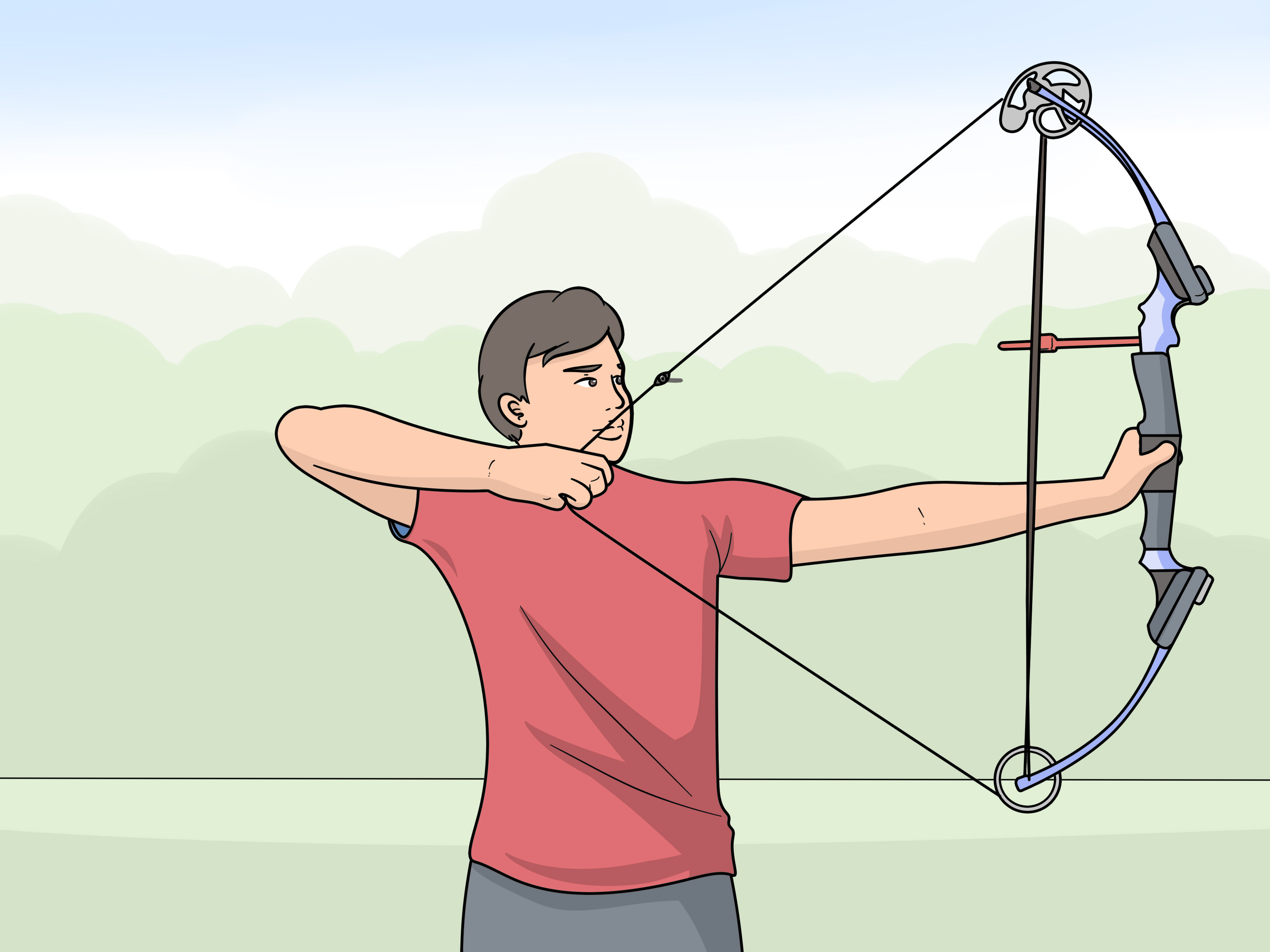
This is the most important part of the installation. Nock an arrow or use a safe draw check setup at a proper range or with a qualified helper. Draw the bow with your normal release aid and settle into your natural anchor point. Keep your head upright and relaxed. Close your eyes for a moment, anchor naturally, then open your eyes.
Your helper should mark the bowstring at the point directly in front of your aiming eye. Use a temporary marker or a small piece of tape. Do not force your face to the string to match where you think the peep should be. The peep should match you, not the other way around.
Repeat this process several times. If the mark lands in the same place each time, you are probably close. If the mark jumps around, your anchor point may need work before installing the peep.
Step 3: Press the Bow Safely
Place the bow in a proper bow press and relieve tension from the string. Follow the bow manufacturer’s instructions carefully. Some bows require specific contact points or press adapters. Do not over-press the bow. The goal is to relax the string enough to separate the strands, not to audition for a mechanical disaster.
Once the string is relaxed, locate your mark. Keep the string orientation clear. You want the peep to sit in the correct direction when the bow returns to full tension and when you draw it.
Step 4: Separate the String Bundles Evenly
Most compound bowstrings are made of multiple strands arranged in bundles. At your marked location, carefully split the string into two equal bundles. If the string has 24 strands, you want 12 on one side and 12 on the other. If the split is uneven, the peep may rotate badly or sit crooked.
Use a string separator or a smooth plastic-safe tool. Avoid sharp metal picks or anything that can cut fibers. Take your time. Bowstring strands are not spaghetti, even though they may try to act like it.
Step 5: Insert the Peep Sight
Slide the peep sight between the two string bundles. Most peeps have angled grooves that match the string path at full draw. Make sure the peep is facing the correct direction for your eye and sight housing. If it is installed backward or upside down, you may get poor alignment, peep rotation, or an awkward sight picture.
Center the peep at your mark. Confirm that the string bundles sit cleanly in the peep grooves. The peep should not pinch, crush, or sharply bend the strands.
Step 6: Slowly Release the Bow Press
Gradually remove pressure from the bow press and let the string tension return. Watch the peep as the string tightens. It should seat into the string bundles evenly. If it shifts dramatically, stop and adjust before going further.
Once the bow is out of the press, do not immediately start shooting full groups. First, check alignment at full draw in a safe environment. Draw carefully with an arrow pointed at a safe target. Settle into anchor and see whether the peep naturally lines up with your eye.
Step 7: Check Peep Rotation
Peep rotation happens when the peep does not face your eye correctly at full draw. A little movement from rest to full draw is normal, but the peep should arrive squarely at your eye when you anchor. If it turns sideways, you will feel like you are trying to aim through a coin slot.
Minor rotation can often be corrected by adding or removing twists from the bowstring, but that should be done carefully with a bow press and a basic understanding of bow tuning. If your peep rotates inconsistently from shot to shot, the string may need to settle, the peep may be unevenly installed, or the string may need professional attention.
Step 8: Tie in the Peep Sight
Once the peep height and rotation are correct, tie it in securely with serving thread. Many archers tie above and below the peep and may also secure around the peep grooves, depending on the peep style and preferred method. The goal is to prevent the peep from sliding while avoiding damage to the bowstring.
Use snug, clean wraps. Do not tie so aggressively that the serving cuts into the string. Finish the thread ends neatly and carefully melt only the tag ends if needed. Keep flame away from the bowstring itself. Bowstrings and open flame should have a very distant relationship.
Step 9: Shoot and Recheck
After the peep is tied in, shoot a few arrows at close range. Focus on form, not score. Check whether your eye naturally finds the peep, whether the sight housing appears centered, and whether the peep stays in place.
New strings may settle slightly after shooting. If your bow has a new string, recheck peep height and rotation after several sessions. It is better to make small adjustments early than to spend months blaming your arrows, release, weather, moon phase, and innocent foam target.
How to Know Your Peep Sight Is Installed Correctly
A correctly installed peep sight should feel almost invisible during the shot process. You draw, anchor, open your sight picture, and the peep is simply there. You should not need to hunt for it.
- Your head remains upright and relaxed.
- Your anchor point feels natural and repeatable.
- The peep aligns with your eye at full draw.
- Your sight housing appears centered inside the peep.
- The peep does not slide after shooting.
- The peep rotates into position consistently.
- Your groups become more consistent, not more mysterious.
Common Peep Sight Installation Mistakes
Installing the Peep Too High or Too Low
This is the classic mistake. If the peep is too high, you may raise your head to see through it. If it is too low, you may scrunch down into the string. Both problems create inconsistent form. Always mark peep height from your natural full-draw anchor, not from a guess on the workbench.
Splitting the String Unevenly
An uneven string split can cause rotation and poor seating. Count or visually balance the strands carefully. A tiny mistake here can lead to a big annoyance later.
Skipping the Bow Press
Some people try to force a peep into a tight string without properly pressing the bow. Do not do this. You can damage the string, deform the peep, or create an unsafe setup. Use the right equipment or hire a pro shop.
Tying the Peep Before Testing
Do not permanently tie in the peep until you confirm height and rotation. Test first, serve second. Otherwise, you may get extra practice cutting off serving thread, which is not the fun kind of practice.
Ignoring Your Anchor Point
A peep sight cannot fix inconsistent form. If your anchor changes every shot, the peep will seem wrong even when it is installed correctly. Build a repeatable anchor with your release hand, nose-to-string contact if appropriate, and relaxed head position.
Troubleshooting Peep Sight Problems
The Peep Rotates Sideways
If the peep rotates away from your eye, check whether the string bundles were split evenly. If the split is correct, the string may need twists adjusted. This is a bow-press job. Make small changes, check often, and avoid overcorrecting.
The Peep Is Blurry
A blurry peep may be too small, too far from your eye, or mismatched with your vision and sight setup. Low light can also make a small peep difficult to use. Try a larger aperture if visibility is the main issue.
The Sight Housing Does Not Center
If the sight housing appears high, low, left, or right inside the peep, first confirm your anchor and grip. Bow torque can shift the sight picture. If your form is consistent and the peep still does not align, adjust peep height or evaluate draw length and sight position.
The Peep Slides on the String
A sliding peep is not tied securely enough or was installed on a string with serving problems. Stop shooting and fix it. A moving peep changes your impact point and can become unsafe.
Should You Install a Peep Sight Yourself or Visit a Pro Shop?
If you own a compatible bow press, understand your bow’s setup, and have experience with serving thread, installing a peep sight is a manageable DIY job. If not, a pro shop is the smarter choice. The cost is usually modest, and the technician can also check draw length, D-loop position, cam timing, sight alignment, and paper tune issues.
Beginners especially benefit from professional help because peep height is tied directly to shooting form. A good technician will not simply slap the peep into the string and send you away. They will watch you draw, mark the string at your natural anchor, install the peep, and recheck alignment.
Real-World Experience: Lessons Learned from Installing Peep Sights
The first lesson from installing peep sights is simple: the peep is small, but it has a giant personality. Move it a fraction of an inch and suddenly your anchor point feels different. Rotate it slightly and your sight picture turns into a tiny black crescent. Tie it in before testing and you will immediately discover why patience is cheaper than serving thread.
One common experience is realizing that peep height is not really about the bow; it is about the shooter. Two archers can shoot the same model bow with the same draw length and still need different peep locations because their facial structure, release style, neck posture, and anchor point are different. That is why copying your friend’s peep measurement is not a setup method. It is archery astrology.
Another lesson is that your “natural anchor” must actually be natural. Many archers draw the bow differently when someone is watching them mark the string. They stand a little taller, press their face harder into the string, or stretch toward the peep because they want the setup to look right. Then they shoot later and wonder why everything feels off. The better method is to draw several times, relax, anchor the same way you would during a normal shot, and let the helper mark the repeated location.
Peep rotation is also where experience matters. A peep that looks perfect at rest may rotate into position at full draw, and that can be normal. The only position that truly matters is where the peep sits when you are anchored and aiming. However, if the peep lands differently every draw, something needs attention. The string may not be settled, the strands may be uneven, or the bowstring may need twist adjustment.
Experienced archers also learn not to chase every problem with equipment changes. If the sight housing is not centered in the peep, the cause might be grip torque, inconsistent anchor, too much facial pressure on the string, or a draw length that does not fit. Moving the peep can help when height is wrong, but it cannot magically repair form. Sadly, no peep sight comes with a built-in “fix my habits” button. If it did, every archery shop would sell out by lunchtime.
A final practical lesson: do not rush the tie-in. A clean serving job keeps the peep from sliding and makes the setup look professional. A messy tie-in may still work, but it can snag, loosen, or make future adjustments harder. Use even wraps, keep tension consistent, and finish the ends neatly. After shooting a short session, inspect the peep again. If everything stayed put and the sight picture appears naturally, you did it right.
In the end, installing a peep sight is part technical setup and part personal fitting. The best installation is not the one that looks perfect on a chart. It is the one that lets you draw, anchor, aim, and execute without thinking about the peep at all. When the peep disappears into your routine, your arrows usually start behaving better. Not always perfectlyarrows still enjoy dramabut definitely better.
Conclusion
Learning how to install a peep sight is one of the most useful skills in compound bow setup. The process is straightforward, but precision matters. Choose the right peep size, mark height from your natural anchor, use a proper bow press, split the string bundles evenly, install the peep in the correct orientation, check rotation, and tie it in securely.
The biggest secret is not a fancy tool or a magic knot. It is patience. A peep sight should support your form, not force your form to change. When installed correctly, it helps create a repeatable sight picture, improves consistency, and makes aiming feel cleaner. When installed poorly, it becomes a tiny round reminder that shortcuts are rarely short.
If you are confident with bow maintenance, this can be a satisfying DIY project. If you are unsure, a trusted archery technician can install it safely and help tune the setup to your body and shooting style. Either way, the goal is the same: a peep sight that meets your eye naturally every time you draw.

