
Skincare
A Design-Worthy Hand Vacuum (Finally)
Jun
“`
For decades, the handheld vacuum has lived a double life. On one hand, it is one of the most useful little machines in the house: a crumb assassin, sofa rescuer, car-seat archaeologist, and pet-hair negotiator. On the other hand, most hand vacuums have looked like props from a low-budget spaceship movie or something you hide behind the laundry detergent when guests come over. Useful? Absolutely. Beautiful? Let’s not get carried away.
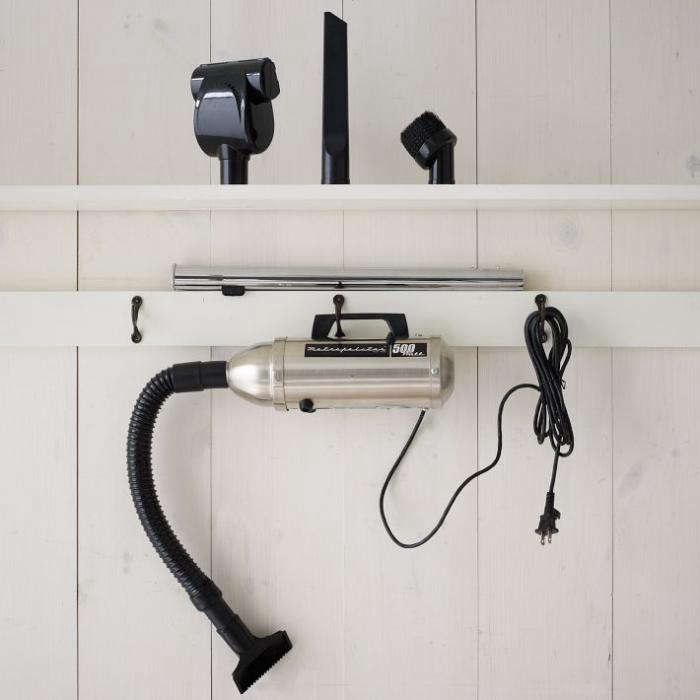
But the humble hand vacuum has grown up. Today’s best handheld vacuums are not only stronger, lighter, and easier to charge; many are finally attractive enough to leave out in the open. Some look like sleek kitchen tools. Some have minimalist charging docks. Some, like stainless-steel models from MetroVac, lean into an industrial design that feels more workshop-chic than plastic-appliance panic. In other words, the design-worthy hand vacuum has arrived, and it is long overdue.
This guide explores what makes a hand vacuum truly design-worthy, how to choose one, and why good looks should never come at the expense of suction, battery life, filter maintenance, or the all-important ability to inhale cracker crumbs before they become part of the rug’s permanent ecosystem.
Why the Hand Vacuum Needed a Design Makeover
The old-school dustbuster solved a real problem: nobody wants to drag out a full-size vacuum for three coffee grounds, a cereal landslide, or the mysterious debris that appears in a car cup holder even when no one admits eating in the car. Hand vacuums are about speed. They are the “I’ll handle this before it becomes a situation” tool.
The problem was visual. Many handheld vacuums were bulky, oddly shaped, difficult to store, and visually loud. They had giant charging bases, awkward nozzles, and plastic bodies that seemed designed to clash with every modern kitchen, mudroom, and entryway. They worked, but they did not exactly whisper, “curated home.” They shouted, “utility closet emergency.”
Design-forward homes need tools that can earn their place in sight. A hand vacuum should be easy to grab, pleasant to hold, and simple to return to its dock. It should not require an apology when it sits on the counter. A design-worthy hand vacuum respects the room it lives in.
What Makes a Hand Vacuum “Design-Worthy”?
A good-looking handheld vacuum is not just about color. True design combines beauty, function, ergonomics, storage, and maintenance. A vacuum can be glossy enough for a magazine shoot and still be annoying if the dustbin is tiny, the filter clogs after two uses, or the charger cord flops around like a sad noodle.
1. A Shape That Stores Well
The best cordless hand vacuum is the one you actually use. If it is buried in a closet, tangled in attachments, and missing its charger, it becomes decorative in the least useful way. Compact vertical docks, wall mounts, and slim silhouettes matter because they make cleaning feel immediate. A narrow vacuum that can live on a kitchen shelf, pantry ledge, laundry-room counter, or mudroom charging station is far more likely to be used daily.
2. Materials That Feel Intentional
Plastic is not automatically bad, but flimsy plastic rarely ages gracefully. Stainless steel, matte finishes, restrained colors, and simple lines can make a handheld vacuum feel more like a tool and less like clutter. MetroVac’s stainless-steel hand vacuums, for example, appeal to people who like utilitarian objects that look honest: polished, tough, and not pretending to be a flower vase.
3. A Dock That Does Not Ruin the Vibe
A charging dock can make or break the experience. A sleek vacuum sitting in a chaotic base is like wearing a tailored suit with clown shoes. Look for a dock that holds the vacuum securely, keeps accessories organized, and does not require a large footprint. If you plan to leave the vacuum on display, the dock matters almost as much as the vacuum itself.
4. Ergonomics That Make Sense
A design-worthy handheld vacuum should feel balanced in the hand. Too much weight near the wrist causes fatigue. A badly placed exhaust vent can blow dust away before the nozzle reaches it. A stiff power button or awkward dust-release latch can turn a 20-second cleanup into a tiny domestic betrayal. Good design is the absence of these little irritations.
The Modern Hand Vacuum: Small Tool, Big Expectations
Handheld vacuums are now expected to do more than pick up visible crumbs. Shoppers want cordless convenience, lithium-ion batteries, washable filters, pet-hair attachments, crevice tools, USB or dock charging, compact storage, and enough suction to handle rugs, upholstery, keyboards, car mats, baseboards, and that weird dusty line where the wall meets the floor.
That is a lot to ask from something small enough to fit in one hand. The key is understanding the trade-offs. A lightweight, elegant model may have a smaller dustbin. A powerful pet-hair hand vacuum may be bulkier and louder. A premium cordless model may run longer but cost more than some full-size vacuums. The smartest choice depends on your mess profile.
Design-Worthy Examples Worth Knowing
There is no single perfect hand vacuum for everyone, but several categories stand out for shoppers who care about both performance and appearance.
MetroVac: Industrial Good Looks
MetroVac’s stainless-steel and steel-bodied vacuums are the opposite of disposable-looking plastic gadgets. Their appeal is almost architectural: simple cylinder, metal finish, honest tool energy. The corded Vac N Go 500-watt models are known for strong suction and durable construction, while newer cordless MetroVac hand vacs bring the brand’s industrial aesthetic into a more flexible format with lithium-ion power and multiple speed settings.
This is the hand vacuum for someone who likes a professional kitchen, a well-arranged workshop, or a utility room that looks like it has opinions about good hardware. It may not be the softest or quietest design, but it has presence.
Shark WANDVAC: Slim, Modern, and Apartment-Friendly
The Shark WANDVAC helped prove that handheld vacuums could look sleek without becoming useless. Its slender body, light weight, and upright charging dock make it a natural fit for small apartments, kitchens, and quick daily cleanups. It is especially appealing when you want the vacuum nearby but do not want it to dominate the counter like a small appliance with a superiority complex.
The trade-off is capacity. Slim designs usually mean smaller dustbins, so the WANDVAC is better for frequent little messes than for excavating an entire minivan after a beach trip.
BISSELL AeroSlim: The Desk-Friendly Minimalist
The BISSELL AeroSlim is a compact, USB-rechargeable handheld vacuum that works well for light-duty tasks: crumbs on a table, dust near a workspace, lint in a drawer, or debris in a car console. Its design is intentionally small and simple, with a modern look that feels closer to a tech accessory than a garage tool.
It is not built for heavy pet hair or deep carpet cleaning, but that is not the point. The AeroSlim is for people who want a tiny, attractive helper for tiny, annoying messes. Think of it as the espresso shot of hand vacuums.
KitchenAid Go Cordless Kitchen Vacuum: Made for Countertop Chaos
The KitchenAid Go Cordless Kitchen Vacuum makes a lot of sense in the kitchen, where messes are constant and weirdly theatrical. Flour drifts. Coffee grounds scatter. Toast crumbs reproduce. A kitchen-specific hand vacuum with a removable rechargeable battery and compact form can be genuinely useful for cooks who want cleanup to happen before the next step of the recipe.
Its design also benefits from KitchenAid’s broader cordless system. If you already like the brand’s countertop language, this vacuum feels less random than a generic dustbuster parked beside the stand mixer.
Dyson Car+Boat: Premium Power for Serious Small Messes
Dyson’s handheld vacuums are often praised for strong suction, motor technology, and well-designed attachments. The Dyson Car+Boat is built for cars, upholstery, stairs, and tight spaces, with a compact format that still feels powerful. It is not the cheapest choice, but it is a reminder that “handheld” does not have to mean weak.
For design-minded buyers, Dyson’s visual language is polarizing. Some love the futuristic engineering look; others prefer quieter minimalism. But from an industrial design standpoint, Dyson clearly treats the vacuum as a designed object rather than an afterthought.
BLACK+DECKER Furbuster AdvancedClean+: Practical Over Pretty
Not every good hand vacuum is a beauty queen, and that is fine. The BLACK+DECKER Furbuster AdvancedClean+ is a strong example of function-led design, especially for homes with pets. Features like an extendable crevice tool, anti-tangle pet brush, washable filter, and larger dustbin are not glamorous, but they are exactly what many households need.
If your sofa is wearing a second sofa made of dog hair, choose the tool that solves the problem. Design-worthiness can mean visual elegance, but it can also mean a product that clearly understands its job.
How to Choose the Right Design-Worthy Hand Vacuum
Start With the Mess, Not the Model
Before falling for a beautiful dock or stainless-steel finish, ask what you clean most often. Kitchen crumbs require a different tool than pet hair. Car interiors need crevice reach. Upholstery benefits from a motorized brush. Desk dust needs something small and precise. A design-worthy choice begins with honesty. Your vacuum should match your actual life, not your aspirational life where no one eats chips on the couch.
Check Runtime Realistically
Manufacturers often list maximum runtime under ideal conditions, usually on a lower power mode. That may be enough for quick cleanups, but high-power suction drains batteries faster. If you only clean crumbs, 10 to 12 minutes may be fine. If you clean stairs, cars, and pet zones, look for longer runtime or interchangeable batteries.
Look at Dustbin Capacity
A tiny dustbin is acceptable for a desk vacuum but annoying for pet hair. Pet fur expands like it has a personal growth strategy. If you have animals, children, or a car that doubles as a snack lounge, choose a larger bin and an easy-empty mechanism.
Do Not Ignore the Filter
A washable filter can reduce replacement costs and keep suction more consistent, but only if you actually clean it. Some handheld vacuums use HEPA-style filtration or multi-stage systems, while others are simpler. For allergy-sensitive households, filtration deserves extra attention.
Attachments Are Not Bonus Decorations
Crevice tools, brush tools, flexible hoses, and motorized pet attachments dramatically change how useful a hand vacuum feels. A beautiful vacuum with one blunt nozzle can be less helpful than a less glamorous model with the right accessory. The best attachment is the one that reaches the mess without making you rearrange furniture or question your life choices.
Where a Hand Vacuum Looks Best at Home
A design-worthy hand vacuum should live where messes happen. In the kitchen, place it near the coffee station, pantry, or breakfast area. In an entryway, it can handle tracked-in dirt, dried leaves, and the small gravel collection that appears near shoes. In a home office, a compact model can tidy keyboards, drawers, and chair cushions. In a mudroom, a more rugged vacuum can attack pet hair, car mats, and outdoor debris.
The trick is to avoid hiding it too well. A hand vacuum stored in a deep closet becomes a theoretical appliance. A good-looking model on a tidy dock becomes part of the home’s cleaning rhythm. It says, “We clean small messes immediately here,” which is basically a lifestyle brand in sentence form.
Common Mistakes to Avoid
Buying Only for Looks
A pretty vacuum with weak suction is just sculpture with a motor. Check performance, runtime, and reviews before choosing the most photogenic model.
Buying Too Much Vacuum
If you only need to clean crumbs from a counter, you may not need a premium powerhouse. A compact USB-charging model might be more practical and easier to store.
Forgetting About Noise
Small vacuums can be surprisingly loud. If you plan to use one in an apartment, office, nursery-adjacent hallway, or early-morning kitchen, noise matters.
Ignoring Replacement Parts
Filters, batteries, and attachments should be available. A stylish hand vacuum becomes less charming when you cannot find a replacement filter six months later.
Experience Notes: Living With a Design-Worthy Hand Vacuum
The real test of a hand vacuum is not the first week, when everyone is still admiring the dock and pretending they will clean the filter on schedule. The real test comes after daily life returns: crumbs under the breakfast bar, dust on the stair treads, pet hair on the armchair, and the car floor mat that somehow contains sand from a place you have not visited in eight months.
In daily use, the most valuable quality is accessibility. A hand vacuum that sits within reach gets used constantly. One placed near the kitchen can turn a spill into a 15-second cleanup instead of a “later” problem. This is especially true around coffee grinders, toaster ovens, cereal boxes, and kids’ snack areas. A good hand vacuum reduces the psychological size of cleaning. Instead of thinking, “I need to vacuum,” you think, “I’ll zap that.” That small shift matters.
Weight also becomes more important than expected. In a store listing, the difference between 1.4 pounds and 3 pounds may seem minor. In real life, especially when cleaning blinds, shelves, car seats, or stairs, it matters. A lighter vacuum is easier to grab casually. A heavier model can be more powerful, but it may feel like a commitment. For quick crumbs, lighter often wins. For pet hair or car detailing, power may be worth the extra heft.
The dustbin experience is another make-or-break detail. A one-touch emptying system sounds boring until you use a vacuum that releases debris cleanly into the trash instead of creating a tiny dust weather event. Clear bins are useful because they show when the vacuum is full, but they also reveal what was hiding in your sofa. This can be satisfying, horrifying, or both. Consider it domestic truth-telling.
Attachments tend to decide whether a hand vacuum becomes a favorite or a forgotten gadget. A crevice tool is essential for car seats, baseboards, and cushion gaps. A brush tool helps with lampshades, vents, keyboards, and textured surfaces. A motorized pet tool can be the difference between “the sofa is clean” and “the sofa is pretending.” The best experience comes from storing attachments where they are visible and easy to grab. If they disappear into a drawer, they might as well have joined a witness protection program.
Finally, the visual design affects behavior more than people admit. When a hand vacuum looks good enough to leave out, it becomes part of the room’s routine. You see it, you use it, and the house stays a little cleaner with less effort. That is the real victory. A design-worthy hand vacuum is not about showing off an appliance. It is about removing friction from everyday cleaning while refusing to let useful objects be ugly by default. Finally, the crumb machine can have taste.
Conclusion: The Hand Vacuum Has Earned Its Place
A design-worthy hand vacuum is not a luxury for people who alphabetize their spice jars, though blessings upon them. It is a practical tool for modern homes where cleaning needs to be fast, visible, and easy. The best models combine attractive design with real performance: strong suction, smart attachments, manageable weight, simple charging, and storage that does not offend the eye.
Whether you prefer the industrial confidence of MetroVac, the slim modern dock of Shark WANDVAC, the compact minimalism of BISSELL AeroSlim, the kitchen-friendly logic of KitchenAid Go, the premium power of Dyson, or the pet-focused practicality of BLACK+DECKER, the goal is the same: choose a hand vacuum you will actually reach for.
Note: Product specifications such as runtime, dustbin size, suction power, accessories, and price can vary by model, retailer, and release year. Always check the exact model number before buying.
SEO Tags

