
Skincare
Butcher Block Countertops For Timeless Durability And A Classic Charm
Jun
Some kitchen surfaces look impressive but feel a little too formal, like they might judge you for eating cereal over the sink. Butcher block countertops are different. They are warm, practical, inviting, and just polished enough to say, “Yes, this kitchen has taste,” without whispering, “Please do not touch anything.”
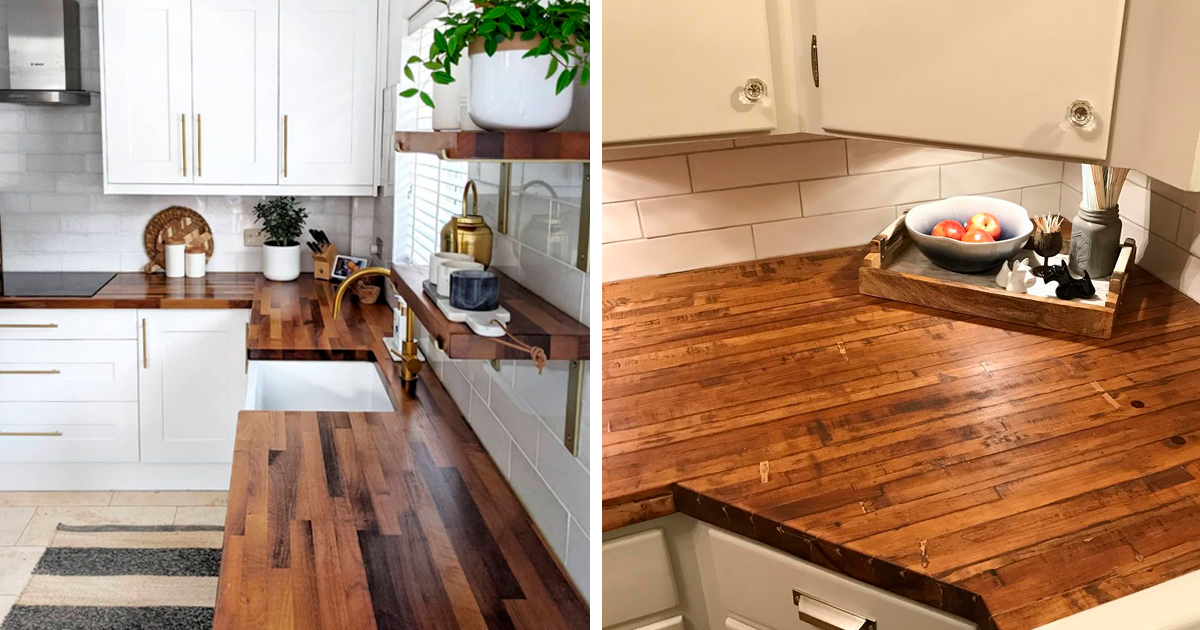
Made from strips or blocks of real wood joined into a solid surface, butcher block countertops bring natural grain, texture, and depth into the heart of the home. They can soften a crisp white kitchen, add soul to a modern space, or complete a farmhouse design without making the room look like it is auditioning for a butter-churning documentary.
For homeowners who want timeless durability and classic charm, butcher block countertops remain one of the most appealing kitchen countertop ideas. They are beautiful, repairable, relatively budget-friendly compared with many premium stone surfaces, and surprisingly versatile. Still, they are not magic planks from a fairy-tale forest. They need care, sealing, and a little common sense around water, heat, and stains.
This guide explains what butcher block countertops are, why they continue to be popular, which wood types work best, how to maintain them, and how to decide whether they belong in your kitchen, laundry room, pantry, or coffee bar.
What Are Butcher Block Countertops?
Butcher block countertops are wood countertops made by bonding pieces of hardwood together to form a thick, stable slab. Unlike laminate that only imitates wood, butcher block is real wood through and through. That is why it can be sanded, refinished, oiled, repaired, and allowed to develop a rich patina over time.
The name comes from traditional butcher blocks used in food preparation. Today, the material is used not only in hardworking kitchens but also on islands, breakfast bars, laundry counters, office built-ins, craft rooms, and bathroom vanities. Basically, anywhere you want warmth without installing a tiny cabin in the corner.
Edge Grain, End Grain, and Face Grain
Not all butcher block countertops are built the same way. The construction style affects appearance, price, durability, and how the surface handles daily use.
Edge grain butcher block is made from long strips of wood turned on their edges and glued together. It creates a linear pattern, offers strong durability, and is often more affordable than end grain. This is one of the most common choices for residential countertops because it balances cost, strength, and style.
End grain butcher block exposes the ends of the wood fibers in a checkerboard-like pattern. It is often considered the premium option because it is gentle on knives and highly durable. However, it is usually more expensive and visually busier, so it often works best as a dedicated island, prep zone, or statement section.
Face grain butcher block displays the broad face of the boards, showing off long, dramatic grain patterns. It can look elegant and furniture-like, but it is generally better for decorative or lighter-use areas rather than intense food-prep zones.
Why Butcher Block Countertops Never Really Go Out of Style
Kitchen trends come and go. One decade says everything must be glossy black. The next says all surfaces should be white enough to require sunglasses. But wood has a staying power that trendier materials struggle to match.
The biggest reason is warmth. Stone, quartz, stainless steel, and concrete can be beautiful, but they are visually cool materials. Butcher block adds a human touch. It makes a kitchen feel less like a showroom and more like a place where pancakes happen, homework happens, and someone inevitably leaves one spoon in the sink “to soak” for three days.
Butcher block also works with many design styles. In a farmhouse kitchen, it feels natural and cozy. In a modern kitchen, it adds contrast against flat-panel cabinets and sleek appliances. In a cottage kitchen, it looks charming beside beadboard, painted cabinetry, and open shelves. In a transitional kitchen, it bridges old and new with ease.
Another reason for its popularity is that every slab is unique. Wood grain varies in tone, movement, knots, and character. A butcher block countertop does not look mass-produced, even when it comes from a big-box store. It has personality. Some slabs are calm and subtle; others show dramatic streaks that look like nature decided to sign its artwork.
Best Wood Types for Butcher Block Countertops
The best butcher block countertop starts with the right wood species. Hardwoods are generally preferred because they resist dents, scratches, and everyday wear better than softwoods.
Maple
Maple is one of the classic choices for butcher block countertops. It has a light color, fine grain, and strong durability. Hard maple, in particular, is popular because it gives kitchens a clean, bright look while standing up well to regular use. It pairs beautifully with white cabinets, navy islands, black hardware, and nearly every backsplash that has ever dreamed of being on a mood board.
Walnut
Walnut offers a deeper, richer tone. It is often chosen for dramatic kitchen islands, luxury-style interiors, and spaces where contrast matters. A walnut butcher block countertop against cream cabinets can look refined, warm, and slightly moody in the best possible way.
Cherry
Cherry starts with a warm reddish-brown tone and darkens beautifully over time. It is softer than maple, so it may show wear sooner, but that evolving color gives it old-world charm. Cherry is ideal for homeowners who like character and do not panic at the first sign of patina.
Oak
Oak has a strong, visible grain and a traditional feel. White oak, especially, has become popular in modern organic kitchens because it feels natural without looking too rustic. Oak can be a smart choice for homeowners who want wood countertops with texture and presence.
Acacia
Acacia is known for bold color variation and attractive grain patterns. It is often used in affordable butcher block countertops and can make a strong design statement. Because it can vary in hardness and appearance, buyers should inspect samples carefully before committing.
Durability: How Tough Is Butcher Block?
Butcher block countertops are durable, but they are durable in a different way from quartz or granite. Stone resists many scratches and stains because it is hard and dense. Wood survives by being forgiving. It may dent, scratch, or stain, but it can often be sanded and refinished. That repairability is one of butcher block’s biggest advantages.
A small scratch on a stone countertop can be a permanent annoyance. A small scratch on butcher block is usually a weekend touch-up. Light sanding, fresh oil, and a little patience can make many blemishes fade into the background. The countertop ages with the home, collecting stories rather than simply collecting defects.
That said, butcher block is not invincible. Water is its main enemy. If moisture sits too long, wood can swell, darken, warp, or develop damage around seams and edges. Heat can also leave scorch marks, and acidic spills may cause discoloration. The solution is not fear. The solution is coasters, trivets, quick cleanup, and not treating the countertop like a waterproof dock.
Sealed vs. Oil-Finished Butcher Block
The finish you choose has a major impact on how your butcher block countertop performs.
Oil-Finished Butcher Block
An oil finish penetrates the wood and helps keep it from drying out. Food-safe mineral oil, tung oil, or butcher block oil is commonly used. Oil-finished butcher block can feel natural and tactile, and it is easier to refresh. The trade-off is that it needs regular maintenance. When the wood looks dry or water stops beading on the surface, it is time for more oil.
Sealed Butcher Block
A sealed butcher block countertop may be finished with polyurethane or another protective topcoat. This creates a film over the wood that better resists moisture and staining. It is often a good choice around sinks, laundry rooms, desks, and areas where you want beauty with less frequent upkeep.
However, once a butcher block countertop has a film-forming sealer, it should not be treated like a giant cutting board. Use a separate cutting board for food preparation. Think of the sealed countertop as furniture-grade wood: gorgeous, useful, and deserving of basic manners.
Pros of Butcher Block Countertops
They Add Instant Warmth
Few countertop materials change the mood of a kitchen as quickly as wood. A butcher block surface can make a sterile kitchen feel inviting, balance cool colors, and add natural texture without overwhelming the space.
They Are Repairable
Scratches, light stains, and minor surface damage can often be sanded away. This gives butcher block a long usable life when properly maintained. Instead of replacing the entire countertop, you may be able to refresh it.
They Work as an Accent or Full Surface
You do not have to cover the entire kitchen in wood. Many homeowners use butcher block on an island and stone or quartz around the perimeter. This mixed-material approach delivers warmth where people gather and durability where water and heavy cooking happen.
They Can Be Budget-Friendly
Compared with many premium natural stone or engineered stone countertops, butcher block can be an accessible option. Costs vary widely based on species, thickness, size, fabrication, and installation, but many homeowners find it easier to fit into a renovation budget.
They Age Beautifully
Wood develops character. Over time, butcher block countertops can gain a mellow patina that makes the kitchen feel lived-in and personal. This is excellent news for anyone who has ever dropped a coffee mug and decided to call the mark “rustic charm.”
Cons of Butcher Block Countertops
They Need Maintenance
If you want a countertop you can ignore completely, butcher block may not be your soulmate. Oil-finished surfaces need re-oiling, sealed surfaces need inspection, and all wood countertops benefit from quick cleanup and gentle cleaning habits.
They Are Sensitive to Water
Standing water can cause damage. This is especially important near sinks, dishwashers, and coffee stations. Edges, seams, and cutouts should be well sealed, and spills should be wiped up promptly.
They Can Scratch and Dent
Wood is softer than stone. It can show marks from sharp objects, heavy cookware, or dragged appliances. The good news is that many marks can be repaired. The bad news is that you must emotionally prepare yourself for the first scratch. It will happen. You will survive.
They Are Not Heatproof
Hot pans should not be placed directly on butcher block. Use trivets or heat pads. A scorch mark may be sandable, but prevention is easier than explaining why your countertop has a circular tattoo from a Dutch oven.
How to Clean Butcher Block Countertops
Daily cleaning is simple. Use mild dish soap, warm water, and a soft cloth or sponge. Avoid soaking the wood. After wiping, dry the surface with a clean towel. That final drying step matters because wood does not enjoy puddles, even tiny ones that look harmless and innocent.
For freshening the surface, many homeowners use a diluted vinegar solution on appropriate finishes, followed by drying. Avoid harsh cleaners, bleach-heavy products, abrasive powders, and anything that sounds like it belongs in a laboratory rather than a kitchen.
For stains, light sanding may help. For oil-finished countertops, follow sanding with fresh butcher block oil. For sealed countertops, damaged areas may need compatible sealer reapplied. Always match the repair method to the existing finish.
How Often Should You Oil Butcher Block?
There is no single perfect schedule because every kitchen is different. A busy family kitchen in a dry climate may need oil more often than a lightly used coffee bar in a mild environment. As a general rule, oil-finished butcher block should be refreshed whenever it looks dry, dull, or thirsty.
The water-drop test is a useful clue. Place a few drops of water on the surface. If the water beads up, the finish is still doing its job. If the water soaks in quickly, the wood likely needs attention.
New butcher block may need more frequent oiling at first because dry wood can drink oil quickly. Once the surface is conditioned, maintenance usually becomes more manageable. In other words, the countertop starts out as a needy houseplant and eventually becomes a reasonably independent adult.
Design Ideas for Butcher Block Countertops
Use It on a Kitchen Island
A butcher block island is one of the best ways to enjoy wood without committing to it everywhere. It creates a natural gathering spot and pairs beautifully with stone or quartz perimeter counters.
Pair It With Painted Cabinets
White, sage green, navy, charcoal, cream, and black cabinets all look excellent with butcher block. The wood softens bold colors and keeps light kitchens from feeling flat.
Create a Coffee Bar or Baking Zone
Butcher block works beautifully in smaller dedicated areas. A coffee bar, baking station, pantry counter, or breakfast nook can gain instant charm from a wood surface.
Mix Wood Tones Carefully
If your kitchen already has wood floors or cabinets, choose a butcher block tone that coordinates without matching too perfectly. A little contrast looks intentional. A near-match that misses by a shade can look like the kitchen got dressed in the dark.
Installation Tips That Matter
Proper installation is essential because wood expands and contracts with humidity. Butcher block should usually acclimate to the room before installation, and it should be finished on all sides, including the top, bottom, edges, and cutouts. Finishing only the visible side is like wearing a raincoat on your front and hoping your back stays dry by optimism alone.
Installers should leave appropriate expansion space where needed and avoid trapping the wood in a way that prevents movement. Around sinks and cooktops, careful sealing is especially important. If you are not confident cutting sink openings, joining seams, or finishing edges, hiring a professional can save money, stress, and several colorful words.
Are Butcher Block Countertops Right for You?
Butcher block countertops are ideal for homeowners who love natural materials, appreciate character, and do not mind basic maintenance. They are especially appealing if you want a kitchen that feels warm, classic, and welcoming.
They may not be the best choice if you want a fully maintenance-free surface, often leave water sitting around the sink, or prefer a countertop that looks exactly the same ten years from now. Wood changes. That is part of its charm. If you want perfection frozen in time, quartz may be a better fit. If you want a surface that grows more personal with age, butcher block deserves serious consideration.
Real-Life Experiences With Butcher Block Countertops
One of the most common experiences homeowners describe after installing butcher block countertops is surprise. Not surprise that the wood looks good; everyone expects that. The surprise is how much the kitchen atmosphere changes. A plain kitchen can suddenly feel warmer, softer, and more finished. The countertop becomes less like a background surface and more like part of the room’s personality.
In real daily use, butcher block tends to reward people who develop small habits. Wiping around the sink after washing dishes becomes automatic. Using a trivet becomes second nature. Keeping a bottle of butcher block oil in a cabinet feels no more dramatic than keeping dish soap under the sink. The maintenance sounds intimidating before installation, but for many homeowners it becomes a simple rhythm.
The first scratch is usually the emotional milestone. Before it happens, owners may treat the countertop like a museum exhibit. After it happens, there is a moment of silence, perhaps a small gasp, and then life continues. Over time, tiny marks blend into a soft patina. Unlike some materials where every flaw looks like damage, butcher block often turns wear into character.
Families with children often appreciate the forgiving feel of wood. It is not as cold or hard as stone, and it creates a comfortable place for snacks, school projects, baking, and casual meals. Of course, markers, juice, berries, and mystery sticky substances should still be handled quickly. But the surface feels approachable, not precious.
Home cooks often like butcher block on islands because it makes prep feel natural and relaxed. Even when a separate cutting board is used, the wood surface creates a visual connection to cooking. It says, “This kitchen works.” It is not just for looking at pendant lights and arranging lemons in a bowl, although it does that nicely too.
Another real-life lesson is that placement matters. Butcher block around a sink requires more attention than butcher block on an island. A coffee bar may need extra protection from spills. A baking station may stay beautiful for years with minimal effort. Many homeowners who worry about maintenance choose a hybrid design: wood on the island, stone or quartz around the sink and range. This gives them the charm without putting wood in the splash zone full-time.
Refinishing is also part of the long-term experience. After several years, a tired butcher block countertop can often be sanded and renewed. That is deeply satisfying. Instead of replacing the surface, you restore it. The process can make an old kitchen feel refreshed without a full renovation. It is one of the few countertop materials that allows a second act without demanding a dramatic budget meeting.
The best advice from lived experience is simple: choose butcher block because you like real wood, not because you expect it to behave like plastic, stone, or stainless steel. It will move a little, darken a little, and collect evidence of life. If that sounds charming rather than stressful, butcher block countertops may be exactly the timeless, durable, classic surface your home needs.
Conclusion
Butcher block countertops combine practical durability with a classic charm that never feels forced. They bring warmth to modern kitchens, authenticity to farmhouse spaces, and texture to rooms that need something softer than stone. With the right wood species, proper sealing, thoughtful placement, and regular care, butcher block can last for decades while developing a beautiful patina.
They are not maintenance-free, and they do not pretend to be. Water, heat, and neglect can cause problems. But for homeowners who appreciate natural materials and enjoy a kitchen that feels welcoming rather than untouchable, butcher block countertops offer something special: a surface that works hard, ages gracefully, and makes the room feel like home.

