
Hair Care
Lighting: Chandelier Rope Pulley
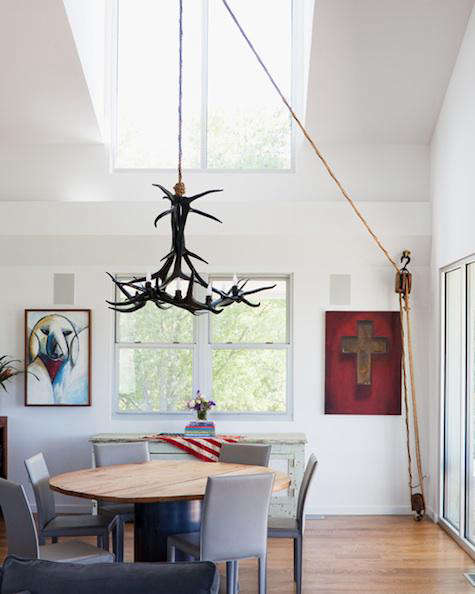
Jun
A chandelier rope pulley sounds like something you might find in an old shipyard, a mountain lodge, or a very dramatic kitchen owned by someone who says “supper” instead of “dinner.” But this charming lighting style is more than rustic decoration. It is a practical, adjustable, eye-catching way to bring character and control into a room.
At its simplest, a chandelier rope pulley is a hanging light fixture that uses rope, pulleys, hooks, counterweights, or exposed mechanical details to create an adjustable suspension system. Some designs are genuinely functional, allowing you to raise or lower the chandelier. Others borrow the look of old workshop hoists and farmhouse lifting systems purely for style. Either way, the effect is warm, architectural, and just a little theatricalin the best possible way.
Whether you are lighting a dining room, kitchen island, entryway, covered porch, or cozy reading corner, a rope pulley chandelier can make the ceiling feel less forgotten. It turns overhead lighting from “necessary object” into “conversation starter.” And yes, guests will ask about it. Consider yourself warned.
What Is a Chandelier Rope Pulley?
A chandelier rope pulley is a ceiling-mounted light fixture inspired by traditional pulley systems. In older homes, workshops, barns, and kitchens, pulley mechanisms were used to lift tools, lanterns, drying racks, and storage items. Modern lighting designers have adapted that idea into chandeliers and pendant lights that combine rope, metal wheels, chains, wood beams, iron frames, or counterweights.
Some rope pulley chandeliers use a real adjustable-height mechanism. These fixtures may slide up and down with the help of a counterweight, making them especially useful over dining tables or kitchen islands. Others are fixed-height fixtures that only imitate the pulley look. Both can be beautiful, but they serve slightly different needs.
Functional vs. Decorative Pulley Lighting
A functional pulley chandelier lets you change the drop height after installation. You might lower it for intimate dinner lighting, then raise it when you need more open space. This is useful in multipurpose rooms where the table sometimes hosts dinner, sometimes paperwork, and sometimes a chaotic puzzle that no one admits they abandoned.
A decorative pulley chandelier, on the other hand, stays in one position. It may use rope and metal hardware to create a vintage or industrial look, but the height is adjusted only during installation. This option is often simpler, less expensive, and easier to maintain.
Why Rope Pulley Chandeliers Are So Popular
The appeal of chandelier rope pulley lighting comes from the mix of form and function. It has the warmth of natural materials, the toughness of industrial design, and the elegance of a chandelier. That is a rare combination. Many fixtures lean too formal or too casual. Rope pulley lighting sits comfortably in the middle, like a guest who brought dessert and also fixed your squeaky cabinet.
They Add Texture to a Room
Modern interiors can easily become flat if every surface is smooth, white, and polished. Rope introduces texture. Metal pulleys add structure. Wood beams bring warmth. Together, these materials make a room feel layered and lived-in without requiring you to cover every wall in shiplap.
They Create a Strong Focal Point
A chandelier should not disappear into the ceiling like a shy ceiling mushroom. A rope pulley chandelier naturally draws the eye upward. It works especially well in spaces with high ceilings, exposed beams, vaulted rooms, farmhouse kitchens, loft apartments, and dining rooms that need a little visual drama.
They Offer Flexible Lighting
If the fixture is adjustable, the lighting can change with the situation. Lower the chandelier for focused light over a table. Raise it for a party, cleaning day, or that one guest who is somehow seven feet tall and still insists they are “average height.”
Best Places to Use a Chandelier Rope Pulley
Rope pulley lighting can work in many rooms, but placement matters. Because these fixtures have strong visual personality, they look best where they have enough space to breathe.
Dining Rooms
The dining room is the classic home for a rope pulley chandelier. A fixture centered over the table creates a grounded, welcoming atmosphere. For most dining tables, the bottom of the chandelier should hang about 30 to 36 inches above the tabletop when the ceiling is around 8 feet high. With taller ceilings, the fixture can usually sit a little higher while still feeling connected to the table.
For sizing, a good starting point is to choose a chandelier that is about one-half to two-thirds the width of the dining table. Another popular room-based rule is to add the room length and width in feet, then use that number in inches as a suggested chandelier diameter. For example, a 12-by-14-foot room may suit a chandelier around 26 inches wide. These rules are not commandments carved into stone tablets, but they are excellent guardrails.
Kitchen Islands
Over a kitchen island, pulley pendants or a linear rope pulley chandelier can provide task lighting and style. Adjustable fixtures are especially useful here because kitchen islands do many jobs: chopping vegetables, serving snacks, helping kids with homework, and becoming the unofficial mail storage zone.
Make sure the fixture does not block sightlines across the kitchen. If people have to duck around it to talk, the chandelier has become less “designer statement” and more “ceiling obstacle course.”
Entryways and Foyers
A foyer gives a rope pulley chandelier room to make a first impression. In open walking areas, leave at least 7 feet of clearance from the floor to the bottom of the fixture. Taller ceilings may call for a longer drop, but the chandelier should still feel balanced with the room, doorway heights, and nearby furniture.
Living Rooms
In a living room, a rope pulley chandelier can define a seating area. It works nicely above a coffee table, but avoid hanging it too low in walkways. If your family includes enthusiastic arm-wavers, indoor basketball players, or anyone who stands up quickly during sports games, give the fixture extra clearance.
Covered Porches and Sunrooms
Rope, wood, and aged metal can look fantastic in a covered outdoor living space. However, not every chandelier is safe for damp or wet areas. For covered porches, look for fixtures rated for damp locations. For exposed outdoor areas, choose wet-rated lighting. A beautiful chandelier is less impressive if it panics every time it rains.
Popular Styles of Chandelier Rope Pulley Lighting
One reason this lighting category is so flexible is that it can lean in many design directions. The same pulley concept can feel farmhouse, nautical, industrial, rustic, or surprisingly modern.
Farmhouse Rope Pulley Chandeliers
Farmhouse versions often use wood beams, black iron hardware, jute rope, candle-style bulbs, and warm finishes. These fixtures look natural over large dining tables, kitchen islands, and breakfast nooks. They pair well with reclaimed wood, linen curtains, stoneware dishes, and the fantasy that your kitchen is always clean.
Industrial Pulley Chandeliers
Industrial designs typically feature dark metal, exposed bulbs, steel cables, gears, and bolder pulley wheels. They are a great match for lofts, brick walls, concrete floors, open shelving, and modern rustic interiors.
Nautical Rope Chandeliers
Nautical styles use rope in a more coastal way. Think weathered finishes, lantern shapes, brass accents, and soft white or navy surroundings. This look works beautifully in beach houses, lake homes, bathrooms, and breezy dining spaces. Used carefully, it says “coastal retreat.” Overused, it says “themed seafood restaurant.” Balance is your friend.
Vintage Counterweight Pendants
Counterweight pulley pendants have an old-world charm. A weight balances the fixture so it can move smoothly up and down. These are excellent over small dining tables, reading chairs, worktables, or kitchen prep zones. They offer that satisfying mechanical feeling that makes adjusting a lamp oddly enjoyable.
How to Choose the Right Rope Pulley Chandelier
Choosing the right fixture involves more than saying, “That one looks cool,” although that is a perfectly respectable first step. You also need to consider scale, ceiling height, brightness, material, installation, and maintenance.
Measure the Room First
Before buying, measure the room length, width, ceiling height, and the furniture below the chandelier. For dining rooms, measure the table width and length. For kitchen islands, measure the island and note where people stand, sit, and walk.
A chandelier that is too small can look accidental, like someone hung a necklace from the ceiling. A chandelier that is too large can overpower the room and make everyone feel like they are dining under medieval machinery. The goal is presence, not intimidation.
Check the Drop Height
The drop height is the distance from the ceiling to the bottom of the chandelier. With rope pulley lighting, this matters even more because the fixture may include wheels, ropes, counterweights, and decorative hardware above the bulbs.
If the fixture is adjustable, check both the highest and lowest positions. Make sure the lowest setting is useful but not dangerous. Make sure the highest setting still looks intentional and does not bunch awkwardly near the ceiling.
Choose the Right Bulbs
LED bulbs are usually the best choice for modern chandeliers because they use far less energy than traditional incandescent bulbs and produce less heat. For rope pulley chandeliers, lower heat is a practical advantage, especially when rope, wood, or enclosed shades are part of the design.
Pay attention to lumens instead of watts. Lumens measure brightness; watts measure energy use. For a dining room, warm white bulbs around 2700K to 3000K usually create a comfortable glow. For kitchens, you may prefer slightly brighter or more neutral lighting, especially over work surfaces.
Use Dimmers Wisely
A dimmer switch can make a chandelier far more flexible. Bright light helps when cooking, cleaning, or setting up a table. Softer light is better for dinner, relaxing, or pretending the dust on the sideboard is “ambiance.”
However, dimmers and LED bulbs must be compatible. Poorly matched bulbs, drivers, or dimmer switches can cause flickering, buzzing, or uneven dimming. Always check the fixture and bulb specifications before installation.
Installation and Safety Considerations
A chandelier rope pulley may look charmingly old-fashioned, but the installation should be modern, secure, and code-conscious. This is not the place for guesswork, duct tape, or confidence based entirely on watching one video at midnight.
Use a Proper Electrical Box
Hardwired chandeliers should be connected through a proper electrical junction box. The box must be rated to support the fixture’s weight. Standard ceiling boxes are often rated for typical light fixtures, but heavier chandeliers may require a fan-rated box, brace, or heavy-fixture support box.
This is especially important with pulley chandeliers because decorative hardware can add weight. If the fixture includes thick wood, iron wheels, multiple bulbs, and counterweights, do not assume the existing box is enough.
Look for Safety Listings
In the United States, many reputable lighting products are UL listed or certified by a recognized testing organization. A safety listing helps indicate that the fixture has been tested for appropriate electrical and location use. Also check whether the fixture is rated for dry, damp, or wet locations.
Hire a Professional When Needed
If the chandelier is heavy, the wiring is old, the ceiling box is questionable, or the fixture uses a complicated pulley mechanism, hire a licensed electrician. The cost of professional installation is usually much less painful than the cost of repairing a ceiling, replacing a broken chandelier, or explaining to guests why the dining room light tried to join dinner.
Maintenance Tips for Rope Pulley Chandeliers
Rope pulley chandeliers need regular care because their materials can collect dust. Rope fibers, wood grain, and metal wheels all have texture, and texture is dust’s favorite vacation destination.
Dust Gently
Use a microfiber cloth, soft brush, or vacuum brush attachment. Avoid soaking natural rope, especially jute or hemp, because moisture can weaken fibers or cause staining. For metal parts, use a dry or slightly damp cloth, then wipe dry.
Inspect Moving Parts
If the pulley is functional, check the rope, counterweight, stops, and moving hardware occasionally. The fixture should move smoothly without jerking, slipping, or grinding. If anything feels loose, stop adjusting it and have it checked.
Replace Bulbs Carefully
Turn off power before replacing bulbs. Use the bulb type and wattage recommended by the manufacturer. Even with LEDs, the wrong bulb can create heat, flicker, poor dimming, or an awkward color tone that makes your beautiful dining room look like a convenience store freezer aisle.
Design Examples That Work
Imagine a reclaimed wood dining table in a room with white walls, black window frames, and woven chairs. A black iron rope pulley chandelier above the table adds contrast and warmth without making the room feel heavy.
Now picture a modern kitchen with quartz counters, shaker cabinets, and a long island. Two adjustable pulley pendants in aged brass soften the clean lines and create practical task lighting. The result feels collected, not copied from a showroom.
In a cabin or lake house, a rope chandelier with lantern-style shades can make a high ceiling feel cozy. In a loft, an industrial pulley fixture with exposed Edison-style LED bulbs can echo the building’s mechanical character while still feeling stylish.
Common Mistakes to Avoid
The first mistake is choosing a fixture that is too small. Rope pulley chandeliers often have open frames, so they can visually handle a little more size than solid fixtures. Do not be afraid of scale, especially over a large table.
The second mistake is hanging the chandelier too low in a walkway. Over a table, a lower fixture can feel intimate. In an open space, it can feel like a forehead trap. Always check clearance.
The third mistake is ignoring bulb temperature. Warm bulbs usually flatter wood, rope, and aged metal. Cool bulbs can make rustic materials look harsh. Unless your design goal is “farmhouse operating room,” stay warm and soft.
The fourth mistake is buying a purely decorative pulley when you expected real adjustability. Read product descriptions carefully. Words like “pulley-inspired” may mean the fixture does not actually move.
Real-Life Experience With Chandelier Rope Pulley Lighting
One of the most memorable things about using a chandelier rope pulley is how quickly it changes the feeling of a room. Standard ceiling lights often do their job quietly. They turn on, they turn off, and nobody writes poetry about them. A rope pulley chandelier behaves differently. It has presence before the switch is even flipped.
In a dining room, the biggest difference is atmosphere. A fixed flush-mount light can brighten the space, but it rarely creates a sense of occasion. A rope pulley chandelier centered over the table makes dinner feel more intentional, even if the meal is takeout served on real plates because everyone deserves a little dignity. When the fixture is dimmable, the room becomes more flexible. Bright light helps with homework, board games, or setting the table. Lower light makes weeknight pasta feel like a small restaurant moment.
In kitchens, the experience is more practical. Adjustable pulley pendants over an island are useful because the island constantly changes jobs. During meal prep, a lower and brighter light helps you see what you are chopping. During a party, raising the fixture slightly can open the view across the room and prevent the lights from feeling too dominant. That adjustability is not just a gimmick; it is genuinely helpful in a busy household.
The tactile quality also matters. Pulling or adjusting a well-designed pulley light gives the room a small ritual. It feels mechanical, sturdy, and satisfying. In a world full of touchscreens and invisible technology, a visible rope-and-pulley system has a refreshing honesty. You can see how it works. You can understand it at a glance. It is lighting with a little engineering wink.
There are practical lessons, too. First, scale is everything. A rope pulley chandelier often looks smaller online than it does in real life, or sometimes the opposite happens. Measuring with painter’s tape or holding up a cardboard outline can prevent regret. Second, the ceiling matters. A heavy fixture needs proper support, and old boxes should not be trusted just because they have survived this long. Third, maintenance is real. Rope gathers dust, and exposed bulbs show fingerprints. A quick monthly wipe keeps the fixture looking charming instead of abandoned.
The best experience comes when the chandelier matches the room’s daily rhythm. In a formal dining room, it can be dramatic and sculptural. In a farmhouse kitchen, it can be warm and practical. In a loft, it can be industrial and bold. The style is flexible, but the goal is the same: create lighting that feels useful, beautiful, and personal.
Conclusion
A chandelier rope pulley is more than a lighting fixture. It is a design feature, a practical tool, and a piece of visual storytelling. It brings together rustic texture, adjustable function, vintage charm, and modern lighting performance. When chosen carefully, it can transform a dining room, kitchen, foyer, or living area from ordinary to memorable.
The key is balance. Choose the right size, hang it at the right height, use efficient bulbs, confirm safety ratings, and make sure the ceiling support can handle the weight. Do that, and your rope pulley chandelier will not just light the roomit will give the room a personality. And honestly, every room deserves at least one good personality trait.

